
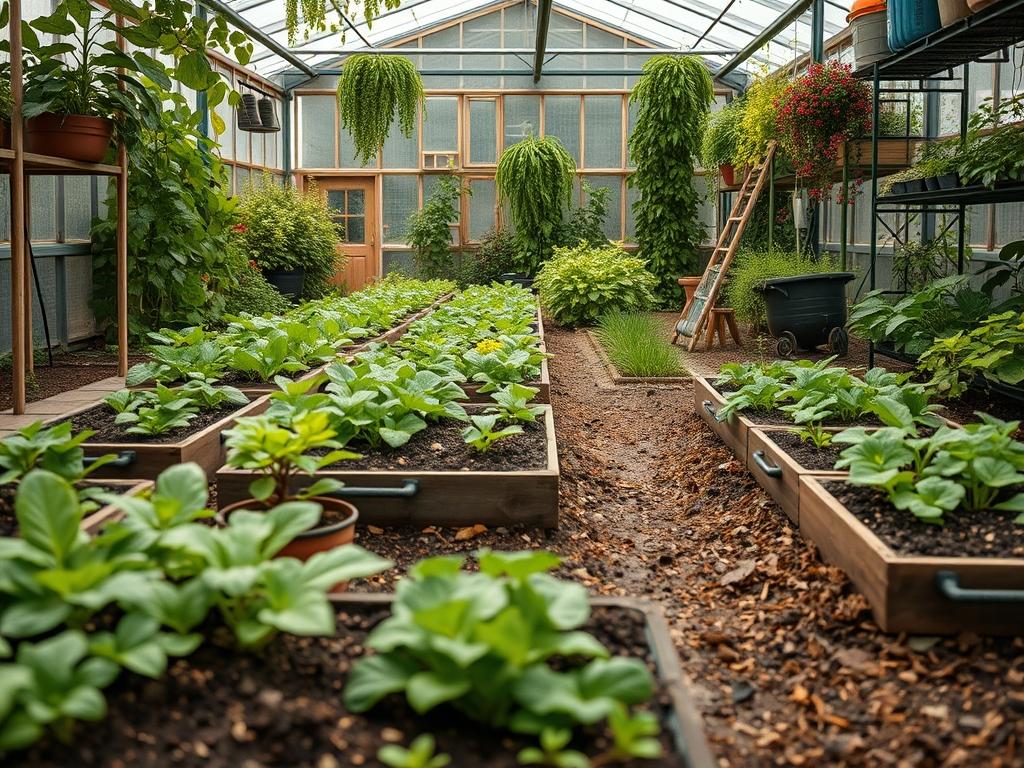
Achieving a productive, aesthetically pleasing landscape requires more than a simple seasonal planting. It demands a rigorous approach to spatial organization and biological timing. For the modern homeowner, Backyard Sowing Schedules represent the bridge between raw agricultural output and refined outdoor living. Integrating these schedules into a cohesive landscape design ensures that the backyard remains a functional extension of the home rather than an overgrown or barren patch of earth. High-end residential projects often fail because they prioritize static beauty over the dynamic reality of plant lifecycles. By planning for succession, a designer can maintain curb appeal while fostering a resilient ecosystem that responds to local climate variables. Whether managing a suburban lot or a sprawling rural estate, the goal remains the same: create a system where the transition from one crop to the next is invisible to the casual observer but highly efficient for the manager.
The architectural integrity of a backyard depends largely on the interplay between permanent fixtures and these shifting sowing cycles. Professional consultants must account for the site microclimate, soil composition, and existing hydrology before a single seed enters the ground. Drainage is often the most overlooked component in these plans. A yard that cannot shed excess water during heavy spring rains will see its carefully timed sowing schedule ruined by root rot or fungal pathogens. Furthermore, the aesthetic impact of a well-maintained garden contributes significantly to the overall property value. A landscape that exhibits deliberate structure, even during the transition between planting phases, demonstrates a level of care that resonates with visitors and potential buyers alike. To master this, one must view the backyard as a living machine with various components that require specific inputs and maintenance.
Landscape Design Principles
Effective landscape design for continuous sowing relies on several core principles that guide the eye and the hand. Symmetry provides a sense of order and formality that can ground the more chaotic elements of a productive vegetable or flower garden. For instance, using mirrored raised beds on either side of a central axis creates a professional, organized appearance. Focal points, such as a high-quality stone birdbath or a sculptural arbor, give the eye a place to rest when certain beds are in their early, less visual stages of growth. These permanent elements ensure the yard remains attractive even when a specific crop cycle is finishing.
Elevation layers are equally critical. In a high-functioning backyard, the tallest plants should generally occupy the rear of the visual field or the northernmost edge of the planting area to prevent shading smaller specimens. Incorporating retaining walls can create distinct vertical tiers, which not only improves drainage but also makes the physical act of sowing and harvesting easier on the body. Irrigation planning must be integrated into these elevation changes. Using a gravity-fed drip system allows for precise water delivery to specific zones, which is essential when different beds are at different stages of the Backyard Sowing Schedules.
Walkways serve as the skeletal structure of the garden. A combination of decomposed granite and flagstone paths keeps the area navigable during wet seasons and prevents soil compaction in the planting zones. These paths should be wide enough, perhaps 36 inches, to accommodate a wheelbarrow or garden cart. Visual balance is achieved by mixing textures; the fine foliage of Carrots or Dill looks stunning when contrasted against the broad, architectural leaves of Swiss Chard or Hostas. This balance ensures that the backyard feels designed rather than accidental.
Plant and Material Selection
| Plant Type | Sun Exposure | Soil Needs | Water Demand | Growth Speed | Maintenance Level |
| :— | :— | :— | :— | :— | :— |
| Lacinato Kale | Full to Part Sun | Nitrogen-Rich | Moderate | Medium | Low |
| Detroit Dark Red Beet | Full Sun | Loose/Sandy | Moderate | Medium | Low |
| Arugula | Part Shade | Well-Drained | High | Very Fast | Moderate |
| Zinnia Elegans | Full Sun | Average | Low | Fast | Low |
| Sugar Snap Peas | Full Sun | Loamy | High | Medium | Moderate |
| French Breakfast Radish | Part Sun | Loamy | Moderate | Fast | Very Low |
| Bush Beans | Full Sun | Warm/Drained | Moderate | Fast | Low |
Implementation Strategy
Implementing Backyard Sowing Schedules begins with a thorough site analysis and grading plan. You must ensure the ground slopes away from residential structures at a minimum 2 percent grade to protect the foundation. Once the grading is established, define the garden borders using professional-grade steel edging or pressure-treated timber. This prevents lawn grass from encroaching into the sowing zones and provides a clean, crisp line for the eye to follow.
The next step involves soil preparation. Avoid the common mistake of “tilling for the sake of tilling.” Instead, apply a 4-inch layer of high-quality compost and organic matter to the surface. For permanent walkways, lay down a heavy-duty landscape fabric topped with 3 inches of mulch or gravel to suppress weeds. Drainage should be handled with a French drain system if the site has a natural depression where water collects.
Sowing should follow a staggered approach. Instead of planting an entire 20-foot row of Lettuce at once, plant only 5 feet every two weeks. This succession sowing ensures a continuous harvest and prevents a “feast or famine” scenario. Use a hand seeder for precision and a garden line to maintain perfectly straight rows, which enhances the formal aesthetic of the landscape. After sowing, apply a light 1/4-inch layer of vermiculite or fine compost to protect the seeds and retain moisture.
Common Landscaping Failures
One of the most frequent failures in backyard management is improper drainage leading to soil saturation. When water pools, it displaces the oxygen in the soil, effectively drowning the root systems of your most sensitive plants. Another issue is root overcrowding. Ambitious gardeners often ignore the spacing recommendations on seed packets, leading to stunted growth and poor air circulation. This lack of airflow is a primary driver of powdery mildew and other blights.
Improper spacing of hardscape elements also causes long-term headaches. If a pathway is too narrow, maintenance becomes a chore, and plants will eventually spill over and block the route. Soil compaction is another silent killer. Walking directly on planting beds crushes the soil structure, making it difficult for new seedlings to penetrate the surface. Finally, irrigation inefficiencies, such as using overhead sprinklers in the heat of the day, result in massive water loss through evaporation and can scorch delicate foliage.
Seasonal Maintenance
Spring is the season of preparation and primary sowing. This is the time to test your soil pH and add amendments like lime or sulfur as needed. Clean out any debris from the winter and check your irrigation timers for proper function. Begin sowing cool-weather crops like Peas and Spinach as soon as the soil can be worked.
Summer requires more intensive management of Backyard Sowing Schedules. As early crops are harvested, you must immediately prep the bed for the next round. This might involve adding a quick-acting organic fertilizer and more compost. Mulching with straw or shredded bark becomes vital now to keep soil temperatures down and moisture levels stable.
Autumn is for transition. Sow cover crops like Winter Rye or Clover in empty beds to protect the soil from erosion and add nitrogen back into the earth. It is also the ideal time for planting Garlic and perennial bulbs. Winter is the consultant’s planning phase. Use this time to sharpen your pruning shears, clean your shovels, and refine your map for the following year.
Professional Landscaping FAQ
What is the best way to track Backyard Sowing Schedules?
Use a dedicated digital spreadsheet or a waterproof garden journal. Log the variety, sowing date, and weather conditions. This data allows you to refine your timing each year for better results and more consistent curb appeal.
How deep should I apply mulch in my garden beds?
A standard depth of 3 inches is ideal for most applications. This thickness suppresses weeds and retains moisture without suffocating the soil. Avoid “mulch volcanoes” around tree trunks, as this can trap moisture against the bark and cause rot.
Can I integrate vegetables into my ornamental flower beds?
Absolutely. This practice, known as edible landscaping, utilizes the textures of crops like Kale and Artichokes to complement traditional flowers. It maximizes space and provides a unique, layered aesthetic that functionalizes the entire backyard footprint.
How do I prevent soil compaction in high-traffic sowing areas?
Install permanent stepping stones or designated paths within your beds. Never step directly on the loose soil where you intend to sow. This preserves the delicate pore spaces needed for water and air to reach the plant roots.
When is the best time of day to irrigate my backyard?
The early morning hours, specifically between 4:00 AM and 8:00 AM, are most effective. This allows foliage to dry before the sun becomes too intense, reducing the risk of disease and ensuring deep water penetration before midday evaporation starts.