
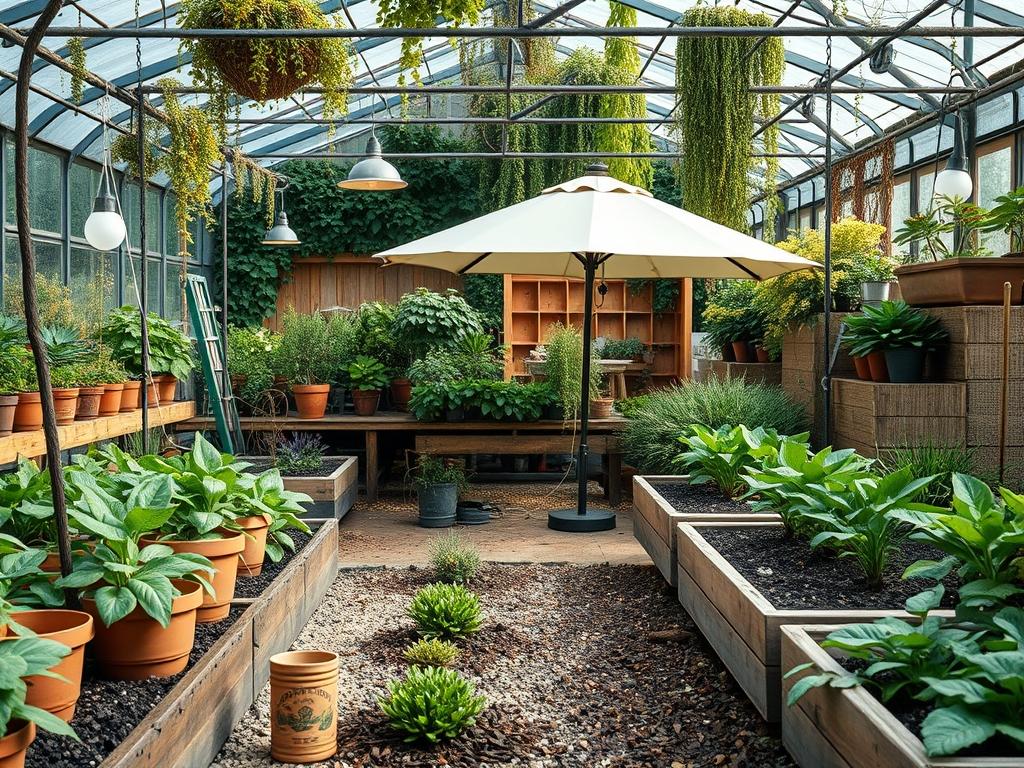
The transition from the vibrant warmth of summer to the crisp stillness of the off-season presents a unique challenge for the discerning homeowner. A well-designed landscape is not merely a collection of plants and hardscaping elements; it is a functional ecosystem that must adapt to shifting environmental demands. One often overlooked aspect of this seasonal pivot is the management of large-scale outdoor accessories, specifically the preservation and aesthetic integration of patio shade structures. Implementing effective Backyard Umbrella Storage Tips is essential for maintaining the longevity of high-end materials and ensuring that your property retains its curb appeal even when the pool is closed and the terrace is quiet. When these vertical focal points are removed or folded, the visual weight of the garden shifts, often revealing gaps in the design that were previously obscured by expansive canopies. Professional landscape management requires a proactive approach to storage that prevents site degradation and protects the significant investment of your outdoor living assets.
Climate considerations play a pivotal role in how we approach the winterization of a backyard. In regions prone to heavy snowfall or high winds, leaving a cantilever umbrella anchored but unprotected can lead to structural failure or damage to nearby ornamental trees. Furthermore, the salt used for de-icing walkways can be corrosive to metal frames if they are stored in proximity to treated paths. By viewing umbrella storage as a component of the broader landscape plan, we can create solutions that are both utilitarian and visually seamless. This involves analyzing the flow of the property, ensuring that storage solutions do not obstruct drainage routes or create pockets of standing water that could invite mold and mildew during the damp autumn months.
Landscape Design Principles
A successful landscape relies on the foundational principles of symmetry and focal points to guide the eye through the environment. When a large backyard umbrella is in use, it often serves as a primary vertical element that anchors a seating area. During the off-season, its absence can leave a void in the visual composition. To counter this, we utilize elevation layers. By introducing permanent structures like a fieldstone retaining wall or a series of tiered planters, we maintain structural interest even when the shade sails and umbrellas are tucked away. These permanent features provide a sense of permanence and architectural intent that temporary seasonal items cannot.
Symmetry is equally important when planning where storage units or sheds will be located. If you are using a dedicated deck box for your umbrella covers and weighted bases, it should be positioned to complement the existing geometry of the hardscape. Integrating these storage solutions into the initial irrigation planning is critical. You must ensure that heavy storage containers are not placed directly over pop-up sprinkler heads or delicate micro-drip lines. Furthermore, walkways should be designed with enough width, typically at least 48 inches, to allow for the easy transport of heavy umbrellas from the patio to their winter housing. This prevents the compaction of soil and damage to turfgrass edges during the process of moving equipment.
Visual balance is achieved by masking storage areas with softscaping. If your Backyard Umbrella Storage Tips include using a vertical rack in a side yard, consider screening that area with evergreen shrubs or a decorative trellis. This keeps the mechanical and storage aspects of the landscape hidden from the primary viewing angles of the home, preserving the high-end aesthetic of the property throughout the year.
Plant and Material Selection
Selecting the right materials for both the landscape and the storage infrastructure ensures long-term durability against the elements. The following table highlights plant species and materials that support a robust, low-maintenance outdoor environment suitable for seasonal transitions.
| Plant Type | Sun Exposure | Soil Needs | Water Demand | Growth Speed | Maintenance Level |
| :— | :— | :— | :— | :— | :— |
| Common Boxwood | Full Sun/Part Shade | Well-drained | Moderate | Slow | Low |
| Switchgrass | Full Sun | Adaptable | Low | Fast | Low |
| Japanese Yew | Shade/Part Shade | Loamy | Moderate | Slow | Medium |
| Creeping Thyme | Full Sun | Gritty/Dry | Low | Medium | Very Low |
| River Birch | Full Sun | Moist/Acidic | High | Fast | Medium |
| Blue Star Creeper| Full/Part Sun | Moist | Moderate | Medium | Low |
For hardware and storage structures, we recommend using powder-coated aluminum, stainless steel, or Agrade teak. These materials resist the corrosive effects of moisture and temperature fluctuations. When choosing a cover for your umbrella, look for 600D polyester with a waterproof backing to ensure that the internal mechanism remains dry and functional for the following spring.
Implementation Strategy
The process of implementing an off-season strategy begins with a thorough site analysis. First, evaluate the grading of the area where you intend to store heavy items. Storage should never occur in low-lying spots where water collects. If necessary, create a level pad using 4 inches of compacted gravel topped with 2 inches of leveling sand and interlocking pavers. This provides a stable, well-draining foundation for heavy granite umbrella bases or storage lockers.
Next, consider the edging and mulch. Define the transition between your lawn and storage zones with steel landscape edging or cobblestone borders. This prevents mulch from washing away during heavy autumn rains and keeps the storage area looking intentional. When applying mulch, maintain a depth of 3 inches to suppress weeds and regulate soil temperature, but ensure it is kept a few inches away from the base of any wooden storage structures to prevent rot.
Drainage is the most critical technical component of the implementation phase. Ensure that all downspouts are directed away from storage areas. If your patio lacks sufficient pitch, consider installing a French drain system or a trench drain along the perimeter of the seating area. This infrastructure will keep the underside of your outdoor furniture and stored umbrellas dry, preventing the growth of fungus and protecting the integrity of the paver joints.
Common Landscaping Failures
One of the most frequent mistakes in backyard management is improper drainage planning around storage zones. When homeowners place large, heavy containers on the soil without a proper base, it leads to soil compaction. This compaction destroys the pore space necessary for roots to breathe, often resulting in the death of nearby native plants. Additionally, placing storage units too close to the foundation of the home can interfere with the proper shedding of water, potentially leading to basement dampness or foundation issues.
Root overcrowding is another significant failure point. Often, DIY landscapers plant screening hedges too close to the storage area. Within a few seasons, the roots of species like Leyland Cypress can heave flagstone paths or even crack the concrete pads used for storage. Proper spacing, based on the mature width of the plant, is essential for a long-lasting layout. Irrigation inefficiency also plagues many backyards. If a storage box is placed in the path of a sprinkler, it creates a dry shadow behind it where plants will perish, while the box itself is subjected to constant, unnecessary moisture that can degrade UV-resistant coatings on umbrella fabrics.
Seasonal Maintenance
Landscape management is a year-round commitment. In the spring, focus on the revitalization of the soil and the inspection of irrigation systems. Check for leaks in poly-tubing and ensure that emitters are not clogged. This is also the time to bring umbrellas out of storage, cleaning the frames with a mixture of mild soap and water before applying a silicone-based lubricant to the moving parts.
Summer maintenance involves monitoring water stress and ensuring that mulch levels are adequate to retain moisture. For the umbrellas, regular brushing of the fabric prevents the buildup of organic matter that can lead to staining. As autumn approaches, the focus shifts to debris removal. Clear fallen leaves from drainage grates and gutters to prevent localized flooding. This is the ideal time to apply a fabric protectant spray to your umbrella canopies before they are folded for the season.
During the winter, the priority is protection. Ensure that all umbrellas are completely dry before being placed in their protective sleeves. If stored in an unheated shed or garage, elevate the umbrellas off the floor using 2×4 pressure-treated lumber to allow for airflow underneath. Check the landscape periodically for any signs of wind damage or asymmetrical snow loading on your permanent structures.
Professional Landscaping FAQ
How do I prevent mold on my stored umbrella?
Ensure the canopy is bone-dry before storage. Clean with a soft-bristle brush and mild soap, then air-dry completely. Use a breathable vented cover to allow moisture to escape and store the unit in a cool, dry location away from direct ground contact.
Can I leave my cantilever umbrella base outside all winter?
Yes, most heavy-duty resin or steel bases can remain outdoors. However, you should drain any water-filled bases to prevent cracking during freeze-thaw cycles. Cover the base with a waterproof tarp to protect the finish from road salt and harsh winter debris.
What is the best way to clean umbrella fabric?
Use a solution of 2 ounces of mild soap per gallon of lukewarm water. Clean with a sponge or soft brush, allowing the solution to soak into the fabric. Rinse thoroughly to remove all soap residue and air-dry in a sunny location.
How do I protect my landscaping during storage transport?
Lay down plywood sheets or temporary traction mats when moving heavy umbrella bases across the lawn. This distributes the weight and prevents deep ruts in the fescue or zoysia turf, especially when the ground is saturated with autumn rain.
Is it necessary to remove the umbrella from the table?
Yes, high winds can use the umbrella as a sail, causing it to lift and shatter tempered glass tables or tip heavy wrought iron furniture. Removing the umbrella and storing it horizontally reduces wind resistance and prevents structural damage to your patio set.