
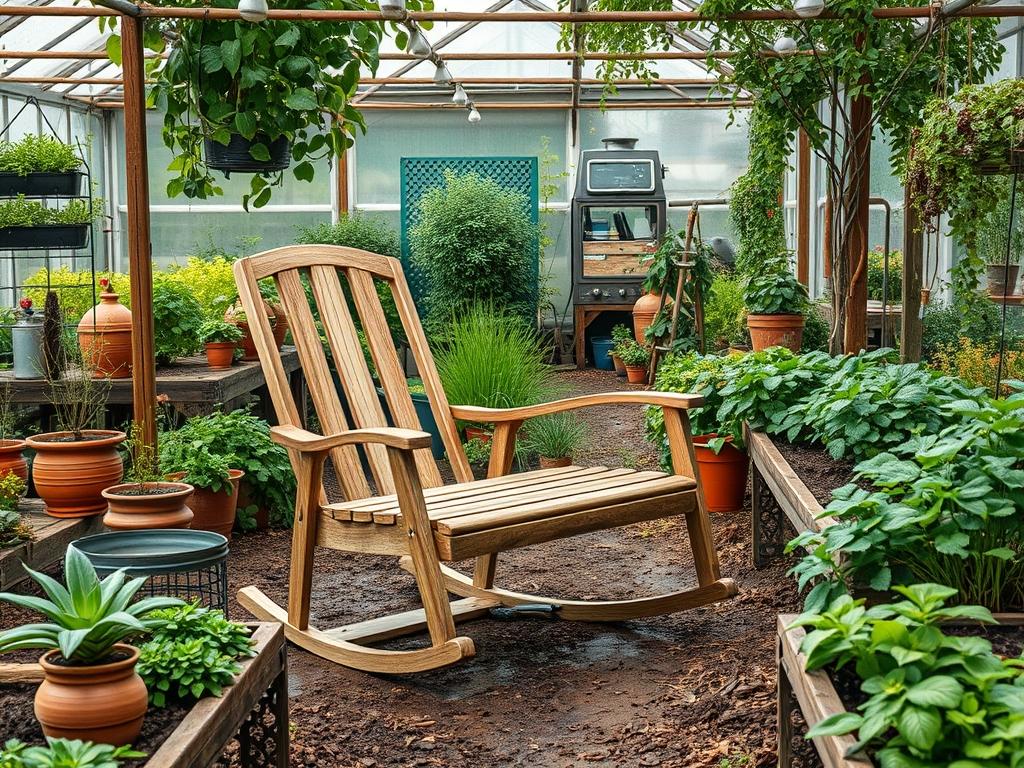
Designing a cohesive outdoor environment requires more than simply placing furniture on a patch of grass. It involves a sophisticated understanding of spatial flow, environmental stressors, and the psychological impact of sightlines. When integrating modern backyard glider rocker styles into a property, the landscape architect must consider how the movement of the seating reflects the surrounding vegetation and topography. A glider rocker represents a specific type of stationary motion, requiring a perfectly level foundation and a spatial buffer to ensure the mechanism operates without obstruction. This intersection of mechanical function and aesthetic beauty is where true outdoor luxury resides. Climate considerations play a primary role in selecting the right materials for these structures. High humidity levels demand moisture-resistant woods like Teak or Ipe, while arid environments may require powder-coated aluminum to prevent warping and sun damage. By addressing these technical demands alongside curb appeal, a designer creates an inviting destination that increases the functional square footage and market value of the home.
Landscape Design Principles
Successful garden design relies on several core principles that guide the placement and style of seating. Symmetry is often used in formal landscapes to create a sense of order. Placing two identical glider rockers opposite each other on a paved terrace creates an immediate conversation zone. For a more modern, organic feel, asymmetrical layouts can be used where the glider serves as a singular focal point tucked into a lush alcove. Visual balance is achieved by counterweighting the heavy profile of the furniture with lighter textures, such as ornamental grasses or airy flowering perennials.
Elevation layers are another critical tool for the landscape architect. By elevating the seating area on a slightly raised retaining wall platform or a deck, the user gains a better vantage point of the entire yard. This sense of height provides a “prospect and refuge” feeling, where the occupant feels secure yet has a clear view of their surroundings. Furthermore, irrigation planning must account for these seating zones. No homeowner wants an automated sprinkler system drenching their high-performance outdoor cushions during a scheduled cycle. Designers should utilize drip irrigation near seating areas to keep the plant life vibrant without creating excess moisture or splashing soil onto the furniture frames. Finally, clear walkways made of natural flagstone or decomposed granite should lead the eye and the foot directly to the glider, signifying it as a primary destination in the garden layout.
Plant and Material Selection
Choosing the right flora to surround your seating area ensures that the space remains comfortable and visually appealing throughout the changing seasons. The following table outlines specific plant species and materials that complement the sturdy nature of modern backyard seating.
| Plant Type | Sun Exposure | Soil Needs | Water Demand | Growth Speed | Maintenance Level |
| :— | :— | :— | :— | :— | :— |
| Buxus microphylla | Full to Part Sun | Well-drained | Moderate | Slow | Low |
| Lavandula angustifolia | Full Sun | Sandy/Rocky | Low | Moderate | Low |
| Miscanthus sinensis | Full Sun | Moist/Rich | Moderate | Fast | Medium |
| Acer palmatum | Dappled Shade | Loamy/Acidic | Moderate | Slow | High |
| Hydrangea macrophylla | Part Shade | Rich/Moist | High | Fast | Medium |
| Liriope muscari | Full to Part Sun | Adaptable | Low | Moderate | Very Low |
In addition to plant life, material selection for the seating base is paramount. Permeable pavers are an excellent choice for modern glider rockers because they allow water to drain directly through the surface, preventing puddling around the glider mechanism. If using wood for the structure, ensure it is treated with a UV-resistant sealant to maintain its structural integrity against the sun.
Implementation Strategy
The process of installing a modern glider area begins with proper site preparation. First, the professional must address the grading of the land. A glider rocker requires a perfectly flat surface, otherwise, the internal ball bearings and sliding tracks will wear unevenly. Begin by excavating the top 4 inches of soil in a dedicated 10-foot by 10-foot area. Install a layer of compacted road base gravel, followed by a thin layer of leveling sand.
Once the foundation is set, lay your chosen outdoor tiles or concrete pavers. Use a rubber mallet to set each stone, ensuring a level surface across the entire footprint. For the perimeter, install steel edging or charcoal brick edging to keep the pavers from shifting over time. This creates a clean line between the hardscape and the garden beds. After the hardscaping is complete, apply a high-quality geotextile fabric over the surrounding soil to prevent weed growth. Finish the beds with 3 inches of dark cedar mulch, which helps retain moisture for the plants and provides a professional, high-contrast look against the greenery. Finally, position the glider rocker with at least 18 inches of clearance behind and in front of the unit to allow for its full range of motion without hitting foliage or walls.
Common Landscaping Failures
One of the most frequent mistakes in backyard planning is poor drainage. If a seating area is located at the bottom of a slope without a French drain or a perforated drainage pipe, it will inevitably collect standing water. This leads to wood rot, metal corrosion, and mosquito breeding. Another common failure is root overcrowding. Planting trees like the Silver Maple too close to a paved seating area will eventually cause the roots to heave the pavers, destroying the level surface required for a glider.
Improper spacing is also a major concern. Designers sometimes crowd the glider with large shrubs that, while small at the nursery, eventually grow to block the view or snag the mechanism. Always research the mature spread of a plant before placing it near furniture. Furthermore, soil compaction is often overlooked. When heavy furniture is placed directly on the lawn, it crushes the soil structure, killing the grass and creating a muddy pit. Always use a dedicated hardscape base or reinforced turf grids to support the weight of the furniture and its occupants. Irrigation inefficiencies, such as pointing spray heads directly at wooden rockers, will strip the finish within a single season.
Seasonal Maintenance
To keep both the landscape and the furniture in peak condition, a seasonal maintenance schedule is mandatory. In the spring, inspect the glider for any loose bolts or squeaky joints. Apply a silicone-based lubricant to the gliding mechanism. This is also the time to apply a pre-emergent herbicide to the garden beds and prune any deadwood from your ornamental shrubs.
During the summer, focus on hydration. Check the drip irrigation lines for clogs and ensure the mulch is still thick enough to cool the plant roots. If your glider has Sunbrella fabric cushions, clean them with a mild soap solution to remove pollen and dust. When autumn arrives, cut back perennial grasses and remove fallen leaves from the paver surface to prevent staining. For the winter months, it is highly recommended to use heavy-duty furniture covers or move the glider into a shed. If the unit must stay outdoors, apply a fresh coat of teak oil or wax to protect the surfaces from ice and snow. Taking these steps ensures that the investment in your outdoor living space remains functional for decades.
Professional Landscaping FAQ
How much space does a glider rocker require?
Generally, you should provide at least two feet of clearance behind and in front of the rocker. This ensures the back of the chair does not hit walls and the footrest does not strike nearby planters during use.
Which base material is best for heavy backyard furniture?
Interlocking concrete pavers or a solid poured concrete pad are the most stable options. They prevent the furniture from sinking into the ground and provide the perfectly level surface necessary for the glider mechanism to function correctly.
Can I put a glider rocker directly on the grass?
It is not recommended. The weight of the rocker will cause it to sink into the soil over time, resulting in an uneven base that can damage the glide system. Additionally, moisture from the grass will accelerate rot or rust.
How do I prevent my glider from moving in high winds?
Choose models made from heavy materials like recycled high-density polyethylene (HDPE) or wrought iron. For lighter frames, use stainless steel earth anchors or discreet brackets to secure the base to your deck or patio stones.
What are the best low-maintenance plants for seating areas?
Liriope, Boxwood, and Dwarf Fountain Grasses are excellent choices. They provide year-round structure and greenery with minimal pruning requirements, and they do not drop heavy amounts of sap or debris that could stain your outdoor furniture.