
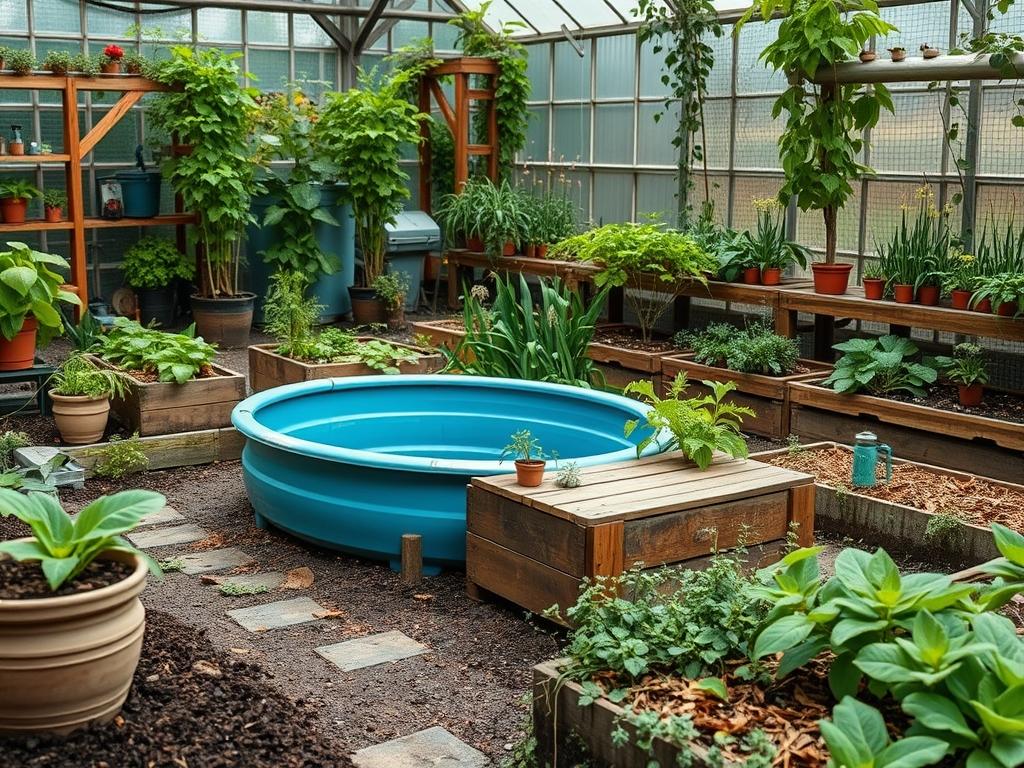
Integrating a specialized water access point for canine companions into a residential landscape requires a sophisticated balance of utility, safety, and aesthetic harmony. For a professional landscape consultant, the inclusion of backyard dog pool ramps is not merely a task of placing a plastic slide near the water. It involves a comprehensive analysis of the existing pool deck, the architectural style of the home, and the specific ergonomic needs of the animal. A well designed ramp serves as a transitional element that bridges the gap between the hardscape of the pool environment and the organic softscape of the surrounding gardens. Proper planning ensures that the ramp does not become an eyesore or a hazard, but rather a seamless extension of the outdoor living space that enhances the property value and the quality of life for all inhabitants.
When approaching the installation of an aquatic entry system, one must consider the local climate and its impact on material durability. In regions with high UV exposure, materials such as standard plastics can degrade, becoming brittle and unsafe. Conversly, in humid or rainy climates, the primary concern shifts toward slip resistance and the prevention of algae growth on submerged surfaces. A landscape architect must evaluate how the ramp will interact with the pool’s circulation system, ensuring that it does not create stagnant pockets of water where debris can accumulate. By viewing the ramp as a permanent architectural feature, we can utilize materials like natural stone, high-density polyethylene, or marine-grade stainless steel to create a structure that withstands the elements while providing a secure, non-slip surface for pets of all sizes.
Landscape Design Principles
Successful integration begins with the principle of symmetry and visual flow. If a pool features a formal, geometric layout, the dog ramp should be positioned to complement these existing lines. Often, the most effective design involves a recessed ramp that sits flush with the pool coping, using materials that match the surrounding travertine or concrete pavers. This maintains a clean profile along the water’s edge. For freeform pools, a ramp can be disguised as a naturalistic rock outcropping or a beach entry feature, using flagstone and river rock to create a rugged, organic look that blends into the perennial borders.
Elevation layers play a critical role in the safety and functionality of a pool ramp. A steep incline is difficult for senior dogs or breeds with joint issues to navigate. The ideal slope for a permanent ramp is typically a 1:4 ratio, meaning for every 1 foot of vertical rise, there should be 4 feet of horizontal length. This gradual transition requires significant space planning, which may necessitate adjusting the surrounding retaining walls or elevation grades. We must also consider the visual balance of the backyard. A large ramp on one side of the pool can be offset by a tiered planter box or a decorative focal point like a water feature on the opposite side, ensuring the overall composition remains harmonious.
Walkways leading to the ramp should be designed with the same care as the ramp itself. Using a decomposed granite or permeable paver system ensures that dogs do not track mud or mulch into the pool after their swim. These paths should be integrated into the overall irrigation planning, positioned so that pop-up spray heads do not saturate the ramp or the approach area, which could lead to slippery conditions and structural erosion over time.
Plant and Material Selection
The following table provides a guide for selecting flora that can withstand the unique conditions of a pool-side environment including splash-back from treated water and high foot traffic.
| Plant Type | Sun Exposure | Soil Needs | Water Demand | Growth Speed | Maintenance Level |
| :— | :— | :— | :— | :— | :— |
| Zebra Grass | Full Sun | Well-drained | Moderate | Fast | Low |
| Daylily | Full/Partial | Adaptable | Low | Moderate | Very Low |
| Canna Lily | Full Sun | Rich, moist | High | Fast | Medium |
| Star Jasmine | Full/Partial | Loamy | Moderate | Moderate | Medium |
| Blue Fescue | Full Sun | Sandy/Poor | Low | Slow | Very Low |
| Hostas | Full Shade | Organic-rich | High | Moderate | Medium |
For the physical construction of the ramp, marine-grade plywood or PVC decking boards are superior to standard treated lumber. If using wood, it must be sealed with a non-toxic waterproof sealant to prevent rot and splinters. The walking surface should be covered with a rubberized mat or heavy-duty outdoor turf to provide the necessary traction for wet paws.
Implementation Strategy
The first step in a professional installation is the site analysis and grading. You must ensure the ground surrounding the pool deck is level and compacted to prevent the ramp from shifting. Use a hand tamper or plate compactor to stabilize the soil before laying down a 4 inch base of crushed stone or gravel. This base provides essential drainage and a solid foundation for any permanent hardscaping.
Once the foundation is set, frame the ramp using 304 stainless steel hardware or galvanized bolts to resist corrosion from pool chemicals. If the ramp is a floating or removable model, anchor points must be installed into the pool deck using a hammer drill and masonry anchors. This ensures the ramp remains stationary under the weight of a running animal. For the transition between the ramp and the water, ensure there are no sharp edges or gaps where a paw could become trapped.
After the structural installation, address the aesthetics of the area. Install plastic or metal edging to define the borders between the walkway and the garden beds. Apply a 2 inch layer of hardwood mulch or river pebbles around the ramp base to suppress weeds and maintain moisture for the nearby native plants. Finally, integrate low-voltage LED landscape lighting along the ramp path to ensure safety during evening use.
Common Landscaping Failures
One of the most frequent mistakes in dog ramp installation is a failure to account for drainage. If the ramp is built into a slope, water can collect at the base, leading to soil saturation and eventually undermining the pool deck. Implementing a French drain or a slotted trench drain along the perimeter can divert runoff away from the pool area.
Another common error is soil compaction during the construction phase. Heavy machinery used to move stone or lumber can crush the soil structure, leading to poor root health for surrounding ornamental grasses. It is vital to use plywood sheets to protect the turf and to aerate the soil once the project is complete. Furthermore, many DIY installations suffer from improper spacing, where the ramp is placed too close to the pool’s skimmer basket or in-floor cleaning valves, making pool maintenance difficult and potentially damaging the filtration system.
Seasonal Maintenance
Landscape management is a year-round commitment. In the spring, inspect the ramp for any damage caused by winter freeze-thaw cycles. Check all fasteners for tightness and refresh the rubberized grip tape if it shows signs of wear. This is also the time to prune back perennial grasses and apply a fresh layer of mulch to the surrounding beds.
During the summer, the primary concern is the accumulation of chlorine or salt deposits on the ramp. Rinse the structure with fresh water weekly using a high-pressure nozzle. Monitor the health of your pool-side plants, as excessive heat and splash-back from the pool can lead to leaf scorch. In autumn, clear away fallen leaves and debris that may clog the drainage grates near the ramp. Before the first frost, if the ramp is removable, it should be cleaned, dried, and stored in a sheltered area. For permanent structures, apply a winterizing protective coating to any exposed wood or metal surfaces to prevent damage from snow and ice.
Professional Landscaping FAQ
What is the best material for a dog pool ramp?
For long-term durability, marine-grade PVC or high-density polyethylene are ideal. These materials resist chlorine damage, do not rot, and remain cool to the touch. Pair them with a rubberized non-slip mat to prioritize canine safety and grip.
How do I prevent the ramp from looking cluttered?
Integrate the ramp into the existing hardscape by matching the color and texture of your pool coping. Surround the entry point with tiered planters or ornamental grasses like Zebra Grass to soften the structural lines and create a natural look.
Will a dog ramp interfere with my pool’s drainage?
It shouldn’t if planned correctly. Ensure the ramp does not block the deck drains. If you are building a permanent masonry ramp, install a trench drain at the base to prevent water from pooling against the retaining wall or deck.
How steep should the ramp incline be?
To accommodate all life stages and breeds, aim for a 1:4 slope. A gradual incline is much safer for the dog’s joints and reduces the risk of slipping. Use a level during construction to verify the angle remains consistent.
Are there plants I should avoid near the dog pool ramp?
Avoid plants with thorns, like certain Roses, or toxic species like Oleander and Azaleas. Stick to hardy, non-toxic options such as Daylilies and Blue Fescue that can handle the occasional splash of chlorinated water without wilting.