
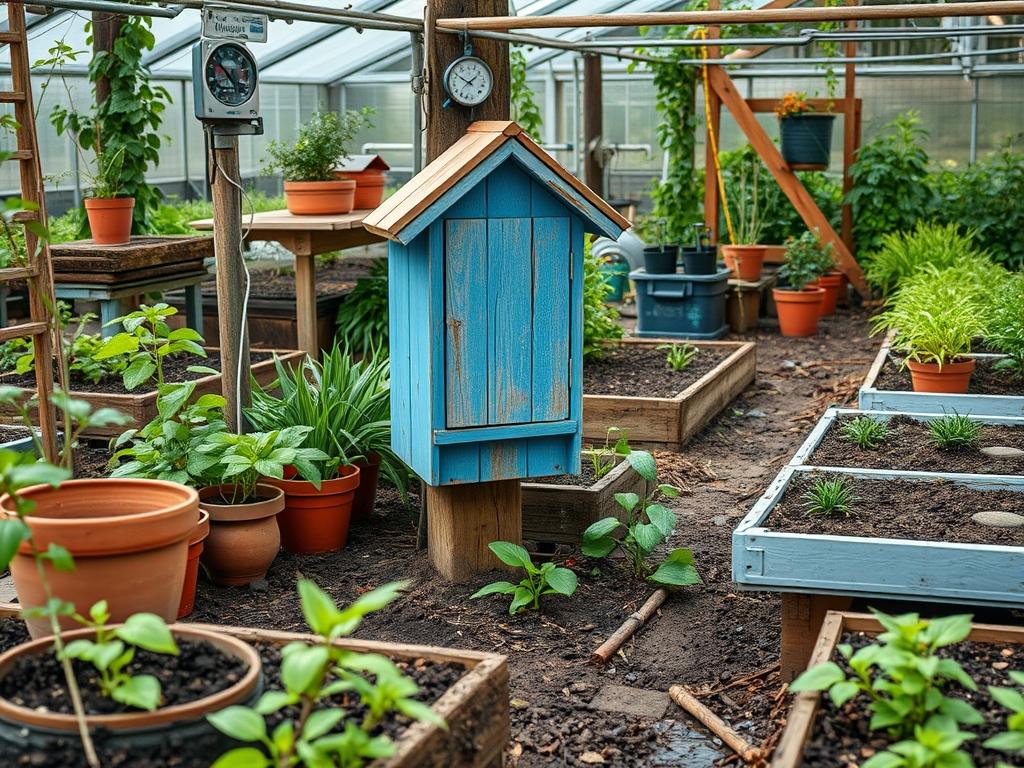
Integrating wildlife habitats into a high end residential landscape requires a sophisticated balance between ecological function and visual harmony. When we discuss backyard bluebird box tips from a professional design perspective, we must view the nesting site as a critical focal point that dictates much of the surrounding site geography. The primary challenge lies in the specific environmental requirements of the Eastern Bluebird, which demands open vistas and low vegetation for hunting, while the homeowner simultaneously desires privacy and ornamental diversity. If the landscape plan is too cluttered with dense shrubbery, these birds will avoid the site out of fear of hidden predators. Conversely, a vast, empty lawn offers no thermal protection or supplemental food sources. Achieving the right curb appeal while maintaining avian utility involves careful climate considerations; your site layout must account for prevailing winds and solar heat gain to ensure the nesting cavity remains a viable sanctuary during the harsh summer months.
Landscape Design Principles
Professional landscape design relies on the concept of intentionality. Every element, from the placement of a retaining wall to the installation of a nesting box, should follow established principles of symmetry and visual balance. When positioning a bluebird station, consider it a functional focal point. It should sit at an elevation where it is visible from the primary seating area, such as a stone patio or morning room, yet remain far enough from human traffic to allow the birds a sense of security.
Site layers play a vital role here as well. A successful bluebird friendly landscape utilizes a three tier system. The first tier is the “hunting ground,” which consists of a well maintained, short mown lawn or a low-mow fescue meadow. The second tier involves “perch points,” such as wrought iron shepherd hooks or mid sized ornamental trees like Serviceberry. The third tier is the “thermal cover,” which includes evergreen density at the property perimeter to block wind and provide winter shelter.
Irrigation planning must be handled with precision. Overspray from an automatic sprinkler system hitting the wooden housing can lead to localized rot and interior moisture issues for the nest. We recommend a drip irrigation system for nearby flower beds to keep the immediate vicinity of the nest box pole dry, preventing the soil around the galvanized steel pole from becoming a muddy mess that attracts subterranean pests like ants.
Plant and Material Selection
Selecting the right materials and flora is the difference between a thriving ecosystem and a static garden. The following table outlines specific plant choices that support the bluebird lifecycle through insect attraction and fruit production.
| Plant Type | Sun Exposure | Soil Needs | Water Demand | Growth Speed | Maintenance Level |
| :— | :— | :— | :— | :— | :— |
| Eastern Red Cedar | Full Sun | Adaptable | Low | Medium | Low |
| American Holly | Sun to Part Shade | Acidic/Well Drained | Moderate | Slow | Low |
| Serviceberry | Part Shade to Sun | Moist/Loamy | Moderate | Medium | Medium |
| Purple Coneflower | Full Sun | Well Drained | Low | Fast | Low |
| Switchgrass | Full Sun | Variable | Low | Fast | Very Low |
| Flowering Dogwood | Part Shade | Rich/Acidic | Medium | Medium | Moderate |
For the hardscaping components, only the highest quality materials should be utilized. We suggest Western Red Cedar or PVC lumber for the boxes themselves due to their superior weather resistance. Mounting hardware should consist of stainless steel screws and heavy duty u-bolts to ensure the structure survives seasonal storms without vibrating or shifting.
Implementation Strategy
The implementation of backyard bluebird box tips begins with a thorough site grading analysis. You must identify the highest, driest point in an open area of the yard. Once the location is selected, the first step is the installation of the mounting system. Use a post hole digger to create a hole at least 18 inches deep. Insert a 1-inch diameter galvanized pipe and secure it with quick-set concrete, ensuring the pole is perfectly vertical using a bubble level.
The elevation of the box should be approximately 5 feet from the ground to the bottom of the structure. This height is ideal for human monitoring while remaining out of reach for most terrestrial predators. Next, install a Stovepipe Baffle on the pole. This 24 inch long smooth cylinder is the most effective way to prevent raccoons and snakes from climbing to the nest.
Around the base of the pole, create a 3-foot diameter mulch ring. Use triple-shredded hardwood mulch at a depth of 3 inches. This serves two purposes; it prevents the lawnmower from striking the pole and it provides a clean, dry area that discourages grass from growing directly against the metal. For edging, consider natural stone or tumbled brick to create a clean transition between the turf and the mulch bed. This adds a level of professional finish to the installation that enhances the overall aesthetic of the garden.
Common Landscaping Failures
One of the most frequent mistakes in residential bird habitat design is improper drainage. If a nesting box is placed in a low spot where water gathers after a rain, the increased humidity can promote the growth of fungi and bacteria inside the nest. Furthermore, wet soil reduces the stability of the mounting pole, leading to leaning or collapse.
Another failure is root overcrowding near the nesting site. While it is tempting to surround the box with beautiful flowers, planting aggressive shrubs too close creates a “predator ladder.” Cats and hawks can use dense nearby foliage to launch an attack. You should maintain a 10-foot radius of clear space around the pole to give the birds a clear line of sight.
Irrigation inefficiency is also a major concern. If you use a high-volume rotor head near the box, the constant pounding of water can stress the birds and ruin the wooden finish of the cedar. Finally, many homeowners fail to consider soil compaction. During the construction of a new landscape, heavy machinery can crush the soil structure. Compacted soil prevents the growth of the insects that bluebirds rely on for food, effectively turning a beautiful backyard into a biological desert.
Seasonal Maintenance
Landscape management is a year round commitment. In the Spring, your focus should be on “the awakening.” Clean out any old nesting material from the previous year using a stiff brush and a mild solution of water and vinegar. Inspect the weather stripping and ensure the mounting screws are tight after the winter freeze-thaw cycles.
During the Summer, focus on hydration and heat management. Check the box’s ventilation holes to ensure they are not clogged with debris. If the temperature exceeds 100 degrees, you may need to install a heat shield on the roof of the box to reflect UV rays. Maintain the mulch depth around the pole to keep the soil cool.
In Autumn, perform a structural audit. This is the time to apply a fresh coat of water-based sealant to the exterior of the house, though never to the interior or the entrance hole. Trim back any encroaching limbs from nearby trees that may have grown too close over the summer.
Winter maintenance involves preparing the box as a roosting site. Many bluebirds stay in the area and will huddle together for warmth. You can flip the front panel of some box designs to create a “winter roost” configuration, which traps heat at the top of the cavity. Ensure the predator guard is clear of snow and ice so it remains functional even in freezing conditions.
Professional Landscaping FAQ
What is the best cardinal direction for a bluebird box?
The entrance should ideally face East or Southeast. This orientation avoids the prevailing winds from the West and allows the morning sun to warm the cavity, while providing shade during the intense heat of the afternoon.
How far apart should multiple bluebird boxes be placed?
Bluebirds are highly territorial species. To prevent conflict, space boxes at least 100 yards apart. If you have a smaller lot, you can pair boxes within 20 feet of each other to accommodate tree swallows and bluebirds simultaneously.
What is the best ground cover for hunting bluebirds?
A short, managed turfgrass is superior for hunting. Keep your lawn at a height of 2 to 3 inches. This allows the birds to easily spot ground dwelling insects like grasshoppers and crickets from their elevated perches.
Can I use pesticides in a bluebird friendly landscape?
Avoid broad spectrum insecticides entirely. Bluebirds rely on insects as their primary protein source, especially during the nesting phase. Using chemicals can contaminate their food supply or eliminate the very creatures they need to survive and feed their young.
How do I prevent ants from invading the nesting box?
Apply a small amount of carmine-free petroleum jelly or a specialized ant guard to the mounting pole below the baffle. This creates a sticky barrier that prevents ants from climbing into the nest without harming the birds or the environment.