
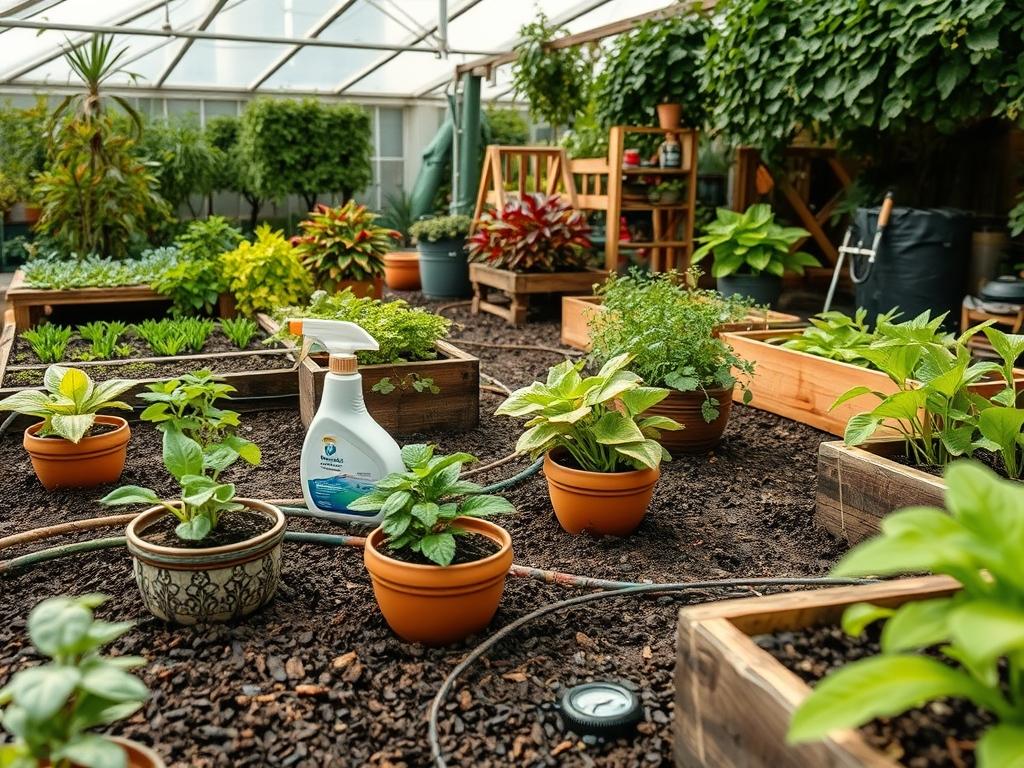
Maintaining a high end residential landscape requires more than just a keen eye for aesthetics; it demands a technical understanding of how biology interacts with built structures. In regions with significant humidity or heavy seasonal rainfall, the accumulation of biological growth on hardscapes, fences, and siding represents a significant threat to both curb appeal and structural longevity. Homeowners often struggle with the unsightly green or black films that coat their Natural Stone pathways and Cedar decks. This growth is not merely a visual nuisance; it can create hazardous, slippery surfaces and trap moisture against building materials, leading to premature rot. Integrating Backyard Algae Cleaning Sprays into a comprehensive estate management plan is one of the most effective ways to preserve the pristine condition of outdoor living spaces. By understanding the intersection of site drainage, airflow, and chemical maintenance, a property owner can transform a reclaimed, mossy disaster into a sophisticated retreat that enhances the overall value of the home and provides a functional space for recreation and relaxation.
Landscape Design Principles
Effective landscape architecture relies on the delicate balance of symmetry and focal points to guide the eye through the environment. When planning a backyard, the distribution of visual weight is crucial. A large Concrete patio on one side of the garden should be balanced by a dense planting bed or a significant architectural feature, such as a Pergola, on the other. Symmetry does not always mean a mirror image; rather, it refers to the perceived equilibrium of the space. Visual balance is often achieved through elevation layers. By using Retaining Walls to create tiered terraces, a designer can overcome challenging slopes and provide distinct zones for dining, gardening, and lounging.
Irrigation planning is perhaps the most critical technical component of design. If water is allowed to pool near hardscapes, it creates a microclimate perfectly suited for algae and lichen. A professional plan will always include a slight grade, typically a 2 percent slope, to ensure water moves away from the foundation and paved surfaces toward a designated drainage area or a French Drain. Walkways should be designed not just for transit, but as tools for site management. Using permeable materials like Crushed Granite or widely spaced Pavers with gaps filled by River Rock allows for better infiltration, reducing the moisture levels that promote the growth of unwanted organisms. When these design elements are harmonized, the use of Backyard Algae Cleaning Sprays becomes a preventative measure rather than a desperate rescue attempt, as the landscape itself works to minimize excessive dampness.
Plant and Material Selection
The success of a landscape depends heavily on selecting the right species for the specific microclimates within a yard. Plants that thrive in the shadows of a large Oak Tree will likely perish in the full sun of a south-facing pool deck. Below is a selection of materials and plants frequently utilized in professional designs, categorized by their environmental requirements.
| Plant or Material Type | Sun Exposure | Soil Needs | Water Demand | Growth Speed | Maintenance Level |
| :— | :— | :— | :— | :— | :— |
| Hostas | Full Shade | Rich, Loamy | High | Moderate | Low |
| Boxwood Shrubs | Partial Sun | Well-drained | Medium | Slow | High (Pruning) |
| Blue Star Creeper | Full Sun | Sandy/Rocky | Low | Fast | Medium |
| Japanese Maple | Partial Shade | Acidic/Moist | Medium | Slow | Low |
| Flagstone Pavers | N/A | Compacted Base | N/A | N/A | Medium (Cleaning) |
| Pressure Treated Pine| N/A | N/A | N/A | N/A | High (Sealing) |
| Ornamental Grasses | Full Sun | Any | Low | Fast | Very Low |
Implementation Strategy
Planning a backyard layout begins with a thorough site analysis including a soil test and a topographic survey. Use a Transit Level to determine the high and low points of the property. Once the grading is established, the implementation of hardscaping precedes any planting. Excavate the area for walkways to a depth of 8 inches, filling the base with 4 inches of compacted Crushed Stone followed by 2 inches of Standard Sand. This foundation prevents the shifting of stones and ensures that water does not sit directly beneath the surface, which is a primary cause of algae blooms on paving.
Edging is the next step in creating a professional finish. Use Steel Edging or Plastic Benders to create clean, crisp lines between the lawn and the garden beds. This prevents grass from encroaching on the mulch and provides a barrier that keeps Wood Chips or Pine Straw in place during heavy rain. When applying mulch, maintain a consistent depth of 3 inches but ensure that the material does not touch the base of trees or shrubs, which can lead to fungal infections. Finally, treat all new Wood and Masonry with high quality Backyard Algae Cleaning Sprays before the first rainy season. This initial application creates a sacrificial layer of protection that makes future cleaning significantly easier. For regular maintenance, use a Pump Sprayer to apply cleaning solutions on a dry day, allowing the product to saturate the surface thoroughly without being immediately washed away by rain.
Common Landscaping Failures
The most frequent error in residential landscaping is improper drainage planning. When a yard is graded poorly, water accumulates in low spots, leading to soil compaction and the death of expensive turfgrass. These soggy areas quickly become breeding grounds for mosquitoes and thick layers of green algae. Another common failure is root overcrowding. Ambitious gardeners often plant Shrubs and Trees too close together, failing to account for their mature width. This restricts airflow, creating stagnant, humid pockets where mold and mildew thrive on both the plants and the nearby hardscapes.
Improper spacing of irrigation heads also leads to significant issues. “Overspray” occurs when sprinklers hit the side of the house or a Wooden Fence instead of the lawn. This constant saturation accelerates the decay of building materials and necessitates the frequent use of Backyard Algae Cleaning Sprays to keep the surfaces presentable. Furthermore, many homeowners ignore the importance of soil health. Compacted soil prevents oxygen from reaching plant roots, leading to stressed specimens that are more susceptible to pests. Using a Core Aerator once a year can mitigate this issue, though it is a step many skip until the damage is already visible.
Seasonal Maintenance
Managing a landscape is a year long commitment that shifts with the cycle of the seasons. In the spring, the focus is on recovery and preparation. This is the optimal time to clear out dead perennials, apply a fresh layer of Mulch, and inspect the irrigation system for leaks. It is also the most important window for applying Backyard Algae Cleaning Sprays, as the warming temperatures combined with spring rains trigger rapid biological growth. Cleaning your Decks and Patios now ensures they are ready for summer entertaining.
During the summer month, maintenance pivots to water management and weed control. Extreme heat can stress plants, so deep watering in the early morning is essential. Monitor for signs of algae in shaded areas that receive daily irrigation. In the autumn, the primary task is leaf management. Falling leaves trap moisture against the ground, and if left on Concrete or Stone, they can leave deep organic stains. Regular raking and the use of a Leaf Blower are necessary to keep surfaces dry. As winter approaches, focus on protecting sensitive plants with Burlap and winterizing the pipes. While growth slows in the cold, the dormant season is an excellent time to prune Deciduous Trees and plan for the next year’s enhancements, ensuring the structural integrity of the landscape remains sound throughout the harshest months.
Professional Landscaping FAQ
How often should I use Backyard Algae Cleaning Sprays?
For most climates, a bi-annual application is sufficient. Apply once in the early spring to remove winter buildup and once in the late autumn to protect surfaces from the damp winter months. High moisture areas may require more frequent spot treatments.
Will these cleaning sprays damage my ornamental plants?
Most modern Backyard Algae Cleaning Sprays are formulated to be biodegradable; however, you should always rinse nearby Foliage with clean water before and after application. This prevents the concentrated solution from causing tip burn or discoloration on sensitive leaf tissues.
What is the best way to apply cleaners to a large patio?
Use a professional grade Diaphragm Pump Sprayer for consistent pressure. Work in small sections, starting from the highest elevation and moving downward. Ensure the surface remains wet with the solution for the full duration recommended by the manufacturer for maximum effectiveness.
Can I use these sprays on my wooden retaining walls?
Absolutely. Using Backyard Algae Cleaning Sprays on Pressure Treated Timber or Cedar prevents the slippery buildup that eventually leads to wood rot. Regular cleaning extends the life of the structure by allowing the wood to breathe and dry out properly.
Do these products remove the black stains on my roof?
Yes, those black streaks are typically a form of hardy algae called Gloeocapsa Magma. Specialized Backyard Algae Cleaning Sprays can safely break down these colonies without the need for high pressure washing, which can damage Asphalt Shingles or Clay Tiles.