
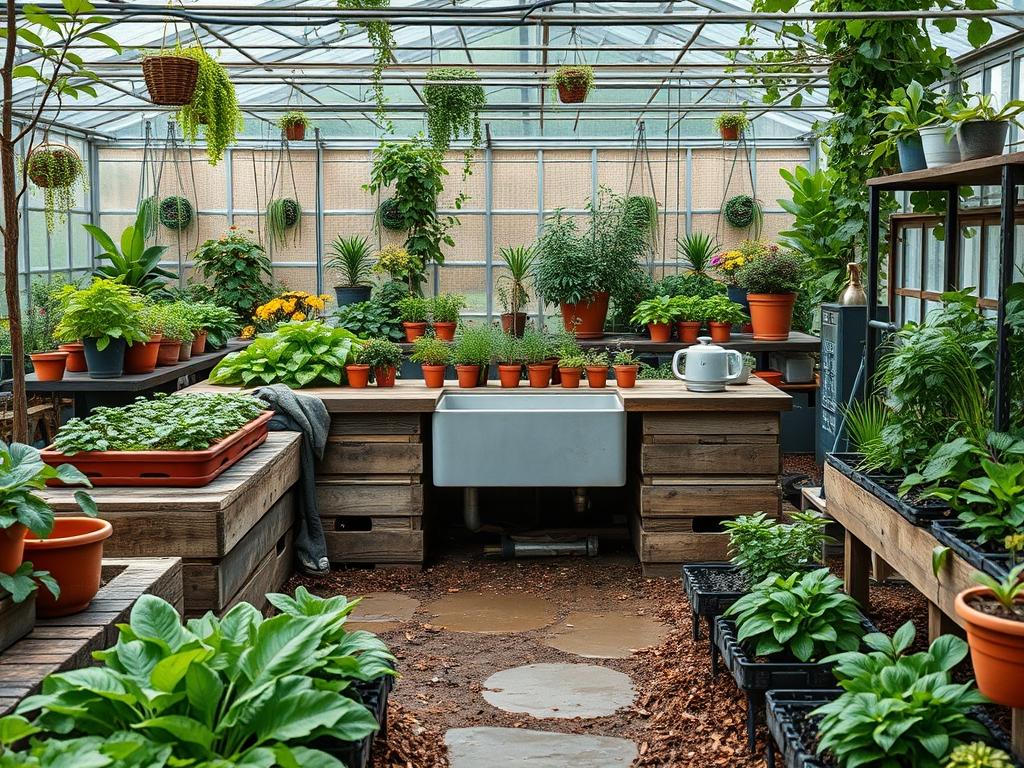
Integrating modern Backyard Outdoor Bar Sinks into a residential landscape involves far more than simply placing a basin on a counter. It requires a sophisticated understanding of spatial flow, utility infrastructure, and environmental stressors. As a landscape architect, I view the outdoor sink as the primary functional anchor of the “wet zone,” a transition point where culinary preparation meets social interaction. The challenge lies in harmonizing the rigid, industrial nature of 304 Grade Stainless Steel or Fireclay with the organic, fluid elements of a living garden. Whether you are dealing with a compact urban patio or an expansive rural estate, the placement of your water source dictates the efficiency of your entire outdoor entertaining area. Climate considerations are paramount; in northern latitudes, for instance, the plumbing must be designed for easy winterization to prevent burst pipes during deep freezes. Conversely, in arid environments, the focus shifts to greywater management and preventing evaporation in the plumbing lines. A well-executed sink installation enhances curb appeal by signaling a high level of luxury and thoughtful design, suggesting that the outdoor space is a true extension of the home interior rather than a mere secondary thought.
Landscape Design Principles
Successful installation begins with the principle of visual balance and the creation of a definitive focal point. When we position Backyard Outdoor Bar Sinks, we often employ the rule of thirds, placing the sink workstation at a natural intersection of sightlines from the primary seating area. Symmetry plays a significant role here, particularly when flanking the sink with greenery or matching stone pillars. However, modern designs often lean toward asymmetrical balance, where a heavy Granite Countertop on one side is balanced by a cluster of tall Ornamental Grasses on the other. This creates a more dynamic, contemporary feel that mimics natural terrain.
Elevation layers are another critical design tool. By varying the height of the surrounding hardscape, you can delineate the “bar” area from the “prep” area. For example, a 42 inch high bar counter can conceal the functional clutter of the sink from guests seated at a 30 inch high dining table. This multi-level approach also helps in managing the transition between the hardscape of the patio and the softscape of the garden.
Irrigation planning must be integrated into the initial layout to ensure that the water supply for the sink does not interfere with the moisture needs of surrounding plant life. We often use the proximity of the sink’s drainage to install sub-surface irrigation for nearby Native Plants, turning waste into a resource. Walkways should be planned to provide at least 36 inches of clearance around the sink area to prevent traffic bottlenecks during large gatherings. The use of Flagstone or Pavers with a consistent joint width ensures that the path is both aesthetically pleasing and safe for guests carrying glassware.
Plant and Material Selection
The materials surrounding your sink must withstand high moisture and frequent cleaning, while the plants should be resilient enough to handle occasional splashes of soapy water or high-traffic contact.
| Plant Type | Sun Exposure | Soil Needs | Water Demand | Growth Speed | Maintenance Level |
| :— | :— | :— | :— | :— | :— |
| Rosemary | Full Sun | Sandy, Well-drained | Low | Moderate | Low (Pruning) |
| Dwarf Boxwood | Part Sun | Rich, Loamy | Medium | Slow | Moderate (Shaping) |
| Creeping Thyme | Full Sun | Poor, Rocky | Low | Fast | Minimal |
| Blue Switchgrass | Full Sun | Adaptable | Low | Fast | Annual Cutback |
| Golden Hosta | Full Shade | Moist, Fertile | High | Moderate | Leaf Removal |
| Japanese Maple | Partial Shade | Slightly Acidic | Medium | Slow | Structural Pruning |
In addition to plant life, material selection for the “wet zone” is vital. We recommend Non-porous Quartz or High-density Concrete for countertops because they resist staining from food and outdoor debris. For the backsplash, Natural Stone Veneer or Stacked Slate provides a textured contrast to the smooth finish of modern Backyard Outdoor Bar Sinks.
Implementation Strategy
The implementation phase is where technical precision meets aesthetic vision. We begin with a comprehensive site grading assessment. The ground must slope away from the sink and the house foundation at a minimum rate of 2 percent to prevent water pooling. Once the grade is established, we mark the utility trenches. Using a Trench Shovel, we dig to a depth of at least 18 inches or as required by local building codes to ensure the PEX piping and electrical lines for the task lighting are protected.
For the base of the sink unit, we construct a structural frame using Galvanized Steel Studs or Pressure-treated Lumber, though steel is preferred for its resistance to rot. The frame is then clad in Cement Backer Board before the final finish, such as Stucco or Thin-brick, is applied. Drainage is perhaps the most critical component. If a connection to the main sewer line is not feasible, we install a Dry Well, which is a large pit filled with Crushed Stone and wrapped in Filter Fabric. This allows greywater to slowly percolate back into the soil without surfacing.
Edging the surrounding garden beds with Steel Edging or Belgian Block creates a clean transition between the utility zone and the lawn. Finally, a layer of Hardwood Mulch at a depth of 3 inches should be applied to the surrounding beds. This mulch helps retain soil moisture and provides a finished look that hides the transition between the hardscape and the soil.
Common Landscaping Failures
One of the most frequent mistakes in installing Backyard Outdoor Bar Sinks is improper drainage planning, leading to “greywater swampiness.” This occurs when the runoff has nowhere to go, causing soil saturation that kills nearby vegetation and creates odors. Another common failure is root overcrowding. Designing a beautiful garden around a sink is tempting, but if you plant a fast-growing Willow or Poplar too close, the invasive root systems will eventually crush your underground plumbing.
Soil compaction is another silent killer of outdoor environments. During the construction of the bar area, heavy machinery or repeated foot traffic can compress the soil, destroying its ability to breathe. We mitigate this by using a Core Aerator after construction and before final planting. Furthermore, many homeowners neglect the “venting” of the sink. Without a proper air vent in the plumbing, the sink will drain slowly and gurgle, which detracts from the professional atmosphere of the space. Finally, irrigation inefficiencies often arise when the bar structure creates a “rain shadow,” a dry patch of earth that receives no natural rainfall or sprinkler coverage. We address this by installing dedicated Drip Emitters behind the structure.
Seasonal Maintenance
Maintaining a high-end landscape requires a rhythmic approach to the seasons. In the spring, the focus is on “awakening” the system. We flush the lines of the Backyard Outdoor Bar Sinks to remove any sediment and check all fittings for leaks caused by winter expansion. This is also the time to apply a fresh 2 inch layer of mulch and fertilize the Boxwoods and Hostas.
Summer maintenance involves constant monitoring of hydration. The heat radiating off a stone bar counter can scorch nearby plants; therefore, we increase irrigation frequency during heatwaves and use a Soil Moisture Meter to ensure the roots are not drowning. In the autumn, the priority shifts to debris management. Falling leaves can clog outdoor sink drains and stain countertops if left to rot. We recommend covering the sink with a custom-fitted Heavy-duty Canvas Cover.
Winter is the most critical period for the longevity of your plumbing. We use an Air Compressor to blow every drop of water out of the lines. We then shut off the main supply valve and leave the Brass Faucet in the open position. If your sink is made of Copper, a light coating of wax can be applied to prevent excess oxidation during the damp winter months.
Professional Landscaping FAQ
How do I choose the right location for a bar sink?
Locate it near the existing house water lines to reduce trenching costs, but ensure it is at least 10 feet from the main seating area to manage noise and prep clutter. Aim for a spot with natural wind protection.
Can I drain my outdoor sink directly into my garden?
Only if you use biodegradable, eco-friendly soaps. The water must go through a Catch Basin or a French Drain system to filter out large food particles and prevent the soil from becoming anaerobic or foul-smelling.
What is the best material for an outdoor sink countertop?
304 Grade Stainless Steel or Sealed Granite are the most durable options. They withstand UV exposure, extreme temperature fluctuations, and the abrasive nature of outdoor cleaning without cracking, fading, or harboring bacteria in porous surfaces.
Do I need an electrical outlet near the bar sink?
Yes, a GFI Protected Outlet is essential for blenders or small appliances. Ensure it is housed in a Weatherproof In-use Cover and installed at least 12 inches away from the sink basin to meet safety standards.
How do I prevent my outdoor sink from smelling?
Ensure the plumbing includes a P-trap to create a water seal against sewer gases. Regularly flush the drain with a mixture of baking soda and vinegar to break down organic buildup that accumulates in outdoor environments.