
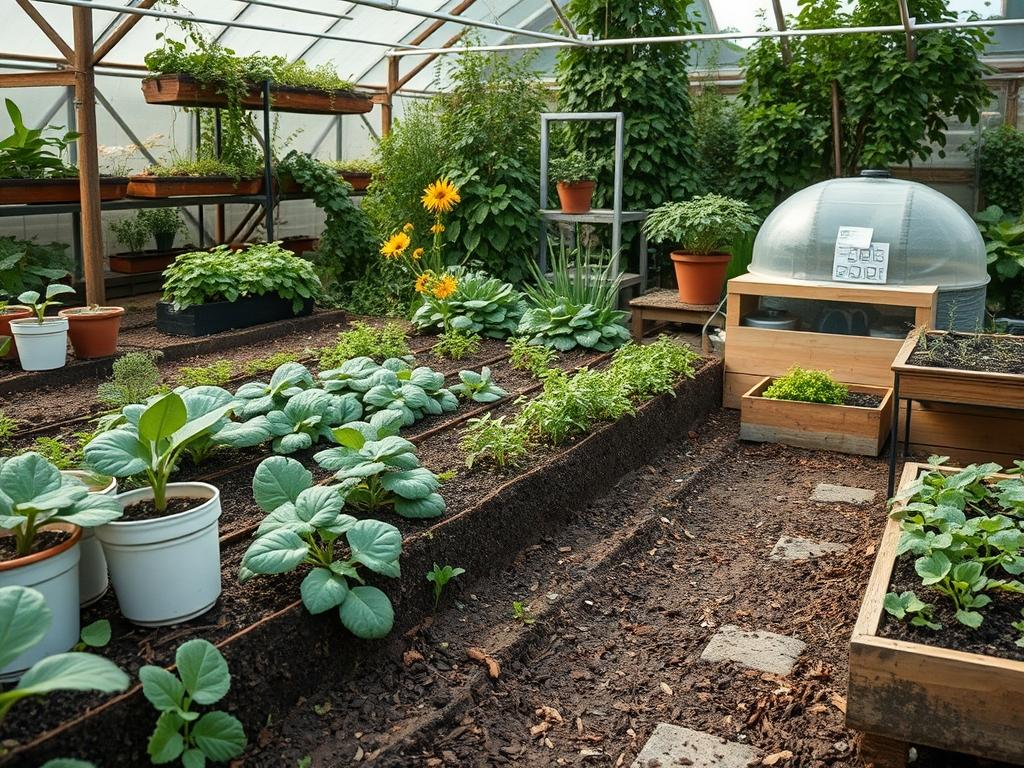
Designing a residential exterior requires a delicate balance between aesthetic elegance and utilitarian safety, particularly when integrating specialized zones for infant development. Backyard Tummy Time Zones serve as a critical bridge between indoor nursery comforts and the multisensory benefits of the outdoor world. Creating these spaces involves more than just spreading a blanket on the grass. It demands thoughtful consideration of microclimates, thermal comfort, and the structural integrity of the site. A well-designed zone enhances the overall landscape value while providing a curated environment that promotes gross motor skills. Landscape architects must account for the angle of the sun at different hours, the presence of prevailing winds, and the proximity to the primary residence to ensure the space remains functional throughout the day. Proper planning ensures that these developmental hubs do not detract from the home’s curb appeal but instead act as sophisticated, purposeful extensions of the living area.
The integration of these zones relies on the same rigorous standards applied to high-end hardscaping or ornamental gardens. We prioritize the ergonomic needs of the infant, ensuring the surface is level, soft, and free of environmental hazards. By utilizing professional grading techniques and selecting non-toxic, hypoallergenic plant life, we create a sanctuary that stimulates a child’s visual and tactile senses. This approach treats the backyard as a series of outdoor rooms, where the tummy time area acts as a tranquil, protected lounge. Homeowners benefit from a landscape that matures alongside their family, transitioning from a soft play area into a reading nook or a meditation space in later years. Success lies in the details of the site preparation, the precision of the drainage systems, and the intentionality behind every material choice.
Landscape Design Principles
Symmetry and visual balance are the cornerstones of a professional backyard layout. When planning Backyard Tummy Time Zones, we often utilize a central focal point to anchor the space. This might be a specimen tree that providing dappled shade or a sculptural element that is safely out of reach but visually stimulating. We look at elevation layers to define the boundaries of the play area without needing harsh fencing. Using low Retaining Walls made of smooth, rounded fieldstone can create a tiered effect that separates the infant zone from high-traffic adult entertainment areas. These walls should be topped with soft vegetation to blur the hard lines of the masonry.
Irrigation planning is equally vital to maintain the soft, lush ground covers required for infant comfort. A dedicated zone in your Irrigation System ensures the play area remains cool and hydrated without over-saturating the surrounding garden beds. We also consider the line of sight from the house. A clear, unobstructed view from the kitchen or living room windows is a non-negotiable safety requirement. Walkways leading to the zone should be constructed from stable, non-slip materials like Flagstone or packed Decomposed Granite to ensure easy access for parents carrying gear. The overall goal is to achieve a sense of enclosure and privacy while maintaining an open, airy feel that invites exploration.
Plant and Material Selection
Selecting the right biological and synthetic components requires a deep understanding of local soil chemistry and climate resiliency. For infant zones, we strictly avoid plants with thorns, toxic berries, or those known to attract high volumes of stinging insects. The following table highlights ideal selections for a safe, soft environment.
| Plant Type | Sun Exposure | Soil Needs | Water Demand | Growth Speed | Maintenance |
| :— | :— | :— | :— | :— | :— |
| Kentucky Bluegrass | Full Sun | Rich Loam | High | Fast | High |
| Irish Moss | Partial Shade | Moist/Well-Drained | Moderate | Medium | Low |
| Creeping Thyme | Full Sun | Sandy/Poor | Low | Medium | Low |
| Lamb’s Ear | Full Sun/Part Shade | Dry/Average | Low | Fast | Low |
| Dwarf Mondo Grass | Shade/Part Sun | Rich/Humus | Moderate | Slow | Very Low |
| Silver Falls Dichondra | Full/Part Sun | Well-Drained | Moderate | Fast | Medium |
Beyond greenery, the choice of ground transition materials is paramount. We often recommend a base layer of high-density Outdoor Impact Foam topped with a premium, hypoallergenic Artificial Turf if natural grass is impractical. If organic mulch is preferred, it must be Certified Playground Fiber to ensure it is free of splinters and chemical dyes.
Implementation Strategy
The process begins with precise site grading. We use a Transit Level to ensure the area has a subtle 1 to 2 percent slope. This is enough to prevent water from pooling under the play mat but flat enough that a baby will not roll uncomfortably. Once the grade is established, we install Perforated Drain Pipe encased in Geotextile Fabric if the soil has high clay content. This prevents the “sponge effect” after heavy rains, allowing the zone to dry quickly for use.
Next, we define the perimeter using professional grade Steel Edging or Paver Restraints. This keeps the soft turf or mulch clearly separated from the surrounding garden soil and prevents encroachment from more aggressive root systems. For the base, we apply 2 to 3 inches of Crushed Limestone or Class 5 Gravel, followed by a layer of Sand for leveling. This provides a stable, well-draining foundation that resists soil compaction. If using natural sod like Zoysia or Fescue, ensure the soil is amended with organic Compost to a depth of 6 inches before laying the rolls. Finally, we install the overhead elements, such as a retractable Sun Sail or a strategically placed Pergola, to manage UV exposure during peak hours.
Common Landscaping Failures
One of the most frequent errors in DIY backyard planning is the neglect of subsurface drainage. Without a proper exit path for water, a tummy time zone can become a breeding ground for fungi and mosquitoes, rendering it unusable. We also see many homeowners fail to account for the heat retention of materials. Dark-colored stones or certain types of rubber mulch can reach scorching temperatures in direct sunlight, posing a burn risk to sensitive infant skin. Always test material temperatures with a Laser Thermometer during the peak of summer before finalizing the design.
Another common pitfall is root overcrowding and improper spacing. Small, “cute” shrubs planted near the zone may look appropriate initially, but without researching their mature spread, they can quickly overwhelm the area or lift hardscaping with their roots. Similarly, improper irrigation overlap can lead to “hot spots” where the grass dies or “wet spots” where the baby gets muddy. Inefficient spray patterns from Rotor Heads often waste water on the play area when it is not needed, leading to slick surfaces and slip hazards for parents.
Seasonal Maintenance
Spring is the season for revitalization and safety checks. We recommend core aeration for all turf areas to alleviate the compaction caused by winter snow or heavy rain. This allows oxygen and nutrients to reach the roots, ensuring a soft cushion for the baby. Check all Hardscape joints for heaving caused by frost and clear any debris from the Drainage Grates.
Summer maintenance focuses on moisture management and pest control. Use organic, pet-safe and baby-safe biological controls like Beneficial Nematodes to manage grubs and fleas without harsh chemicals. During autumn, leaf removal is critical. Decomposing organic matter on the play surface can become slippery and acidic, damaging the turf. Finally, in winter, protect any sensitive perennial borders around the zone with a 3-inch layer of Pine Bark Mulch. If the zone uses Artificial Turf, use a power brush to keep the fibers upright and prevent matting during the dormant season.
Professional Landscaping FAQ
What is the best ground cover for a soft play area?
Kentucky Bluegrass or Zoysia grass provides the best natural cushion. For low maintenance, high-quality Artificial Turf with a padded underlayment offers consistent softness and superior drainage without the need for fertilizers or frequent mowing.
How do I manage shade without blocking the view?
Install a high-tension Sun Sail attached to sturdy Steel Posts. This provides UV protection and temperature regulation while keeping the ground level open. It allows for clear sightlines from the house compared to bulky umbrellas or thick shrubbery.
Are there specific plants I should absolutely avoid?
Avoid Oleander, Foxglove, and Lily of the Valley as they are highly toxic if ingested. You should also skip plants with thorns like Barberry or those that attract heavy bee activity such as Lavender directly inside the play perimeter.
How do I prevent the tummy time zone from flooding?
Ensure the area is graded with a 2 percent slope away from the center. Install a French Drain around the perimeter using Rigid PVC Pipe and River Rock to redirect runoff toward a lower point in the yard or a dry well.
Can I use wood chips for the baby zone?
Only use Engineered Wood Fiber that is specifically rated for playgrounds. Standard garden mulch often contains splinters, dyes, and fungi. Playground Fiber is knitted together to provide a springy, safe surface that meets safety standards for impact.