
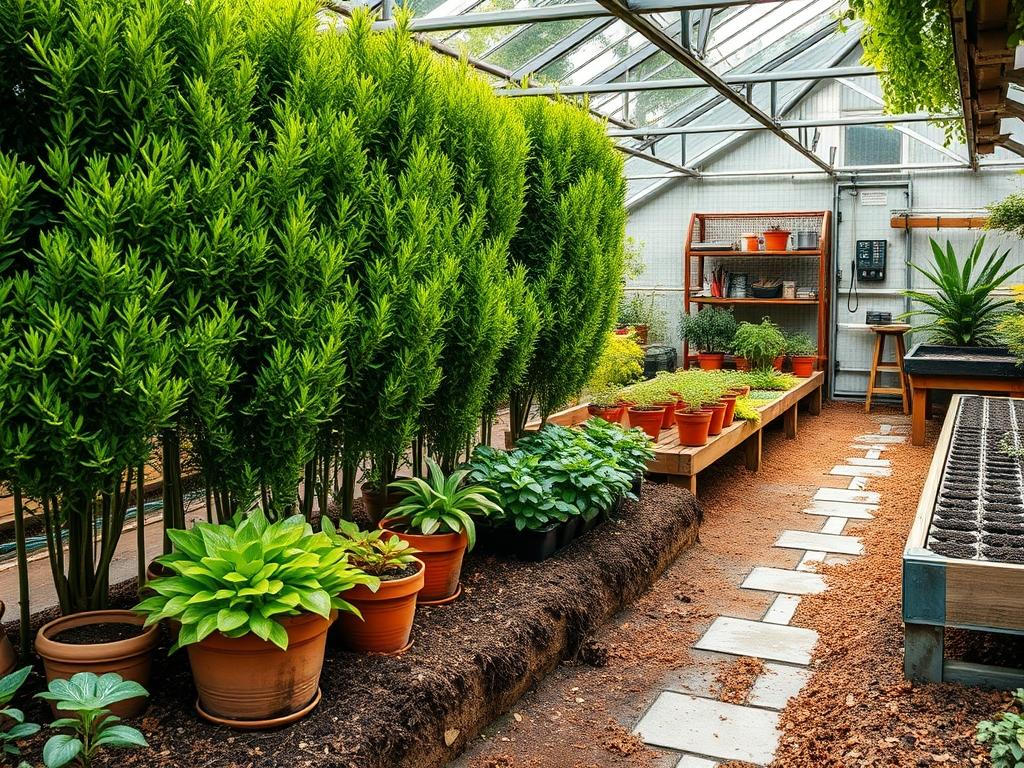
Establishing a structural perimeter in a residential landscape requires more than just a row of shrubs; it demands a deep understanding of botanical architecture and site-specific environmental variables. The boxwood, specifically members of the Buxus genus, serves as the gold standard for creating living walls that define outdoor “rooms” and offer year-round privacy. Achieving a high-performance Backyard Boxwood Screen Care routine begins with analyzing the microclimate of your property, considering factors such as wind exposure, solar orientation, and the existing soil profile. A well-placed boxwood screen does more than provide privacy; it enhances curb appeal by adding a sense of permanence and formal elegance to the garden. It also serves a functional role as a windbreak and a sound dampener, which is essential for properties located near busy streets or in open, windy areas. However, the success of these installations relies heavily on the initial site preparation and a long-term commitment to horticultural precision.
When we approach the design of a private sanctuary, we must treat the boxwood screen as the foundation of the garden’s visual weight. These evergreen structures should not be viewed in isolation but as part of a cohesive outdoor living environment. Properly managed hedging supports higher elevation layers like Ornamental Maples or Serviceberry trees, while grounding lower-level perennials. The challenge for many homeowners is maintaining density without sacrificing the health of the individual plants. Without a strategic approach to light penetration and airflow, a dense screen can quickly become a breeding ground for pathogens. Professional landscaping involves balancing the aesthetic desire for a solid green wall with the biological necessity of spacing and ventilation. By integrating these shrubs into a broader master plan that includes hardscaping elements and automated irrigation, you create an outdoor space that is both resilient and visually captivating.
Landscape Design Principles
Successful Backyard Boxwood Screen Care is rooted in the fundamental principles of symmetry and visual balance. When designing a screen, professional architects often use the boxwood to create a sense of rhythm along a property line. If the screen is perfectly symmetrical, it draws the eye toward a central focal point, such as a stone fountain, a sculpture, or a custom gate. This technique creates a formal atmosphere that feels intentional and disciplined. Conversely, an asymmetrical arrangement can be used to soften the edges of modern architecture, providing a lush contrast to cold materials like concrete or steel.
Elevation layers play a vital role in how a boxwood screen is perceived. By staggering the planting heights, a designer can create a “tapestry” effect rather than a flat wall. For instance, placing a row of Winter Gem Boxwoods in front of a taller variety like Green Mountain creates depth and shadow, making the garden feel larger than it actually is. This layering should also account for the movement of people. Walkways composed of bluestone pavers or crushed granite should be planned alongside the screen, allowing for at least 24 inches of clearance at the plant’s mature width to prevent foot traffic from compacting the soil near the critical root zone. Irrigation planning must be integrated at this stage, ensuring that drip lines are buried beneath the mulch to deliver water directly to the roots while keeping the foliage dry, which is the primary defense against fungal infections.
Plant and Material Selection
| Plant Type | Sun Exposure | Soil Needs | Water Demand | Growth Speed | Maintenance Level |
| :— | :— | :— | :— | :— | :— |
| English Boxwood | Part Shade | Well-drained, pH 6.5-7.2 | Moderate | Very Slow | High |
| Green Mountain | Full Sun to Part Shade | Loamy, Moist | Moderate | Medium | Medium |
| Winter Gem | Full Sun | Adaptable | Low to Moderate | Fast | Low |
| American Boxwood | Sun to Part Shade | Deep, Rich Soil | Moderate | Slow | Medium |
| Japanese Boxwood | Full Sun | Sandy/Loamy | Moderate | Medium | Low |
Implementation Strategy
The implementation of a professional-grade boxwood screen begins with precise site grading. You must ensure that the area has a 2 percent slope away from the base of the plants to prevent standing water. Poor drainage is the leading cause of Phytophthora root rot in boxwoods. Start by digging a continuous trench rather than individual holes; this allows for uniform root expansion and easier soil amendment. The trench should be twice as wide as the root balls and exactly the same depth. If the soil is heavy clay, incorporate expanded shale or coarse sand to improve macropore space for oxygen.
Once the plants are positioned, ensure the “flare” of the trunk is slightly above the soil line. Backfill with a mixture of native soil and organic compost, firming it gently with your hands to remove air pockets. After planting, apply a 3-inch layer of double-shredded hardwood mulch or pine bark, keeping it a few inches away from the main stems to prevent rot. For the first two growing seasons, an automated irrigation system with a smart controller is recommended. Set the system to deliver deep, infrequent watering cycles, which encourages the roots to grow deep into the soil profile. Edging the bed with a steel spade or aluminum landscape edging creates a clean transition between the turf and the screen, preventing grass from encroaching on the boxwood’s nutrient zone.
Common Landscaping Failures
The most frequent failure in Backyard Boxwood Screen Care is overcrowding the plants to achieve an instant privacy effect. While it is tempting to plant them shoulder-to-shoulder, this restricts airflow and leads to the death of the inner foliage. Over time, the center of the hedge becomes a hollow shell of dead twigs, which is nearly impossible to reverse. A professional rule of thumb is to space plants based on their mature width minus 6 inches for a tight screen, or exactly at their mature width for a more natural, mounded look.
Another critical error is improper irrigation. Using overhead sprinklers for boxwoods is a recipe for disaster. The dense canopy traps moisture against the leaves, promoting Boxwood Blight and Volutella stem blight. Furthermore, soil compaction from heavy machinery during the construction phase often goes unaddressed. If the soil is “tamped down” too hard, the roots cannot penetrate the earth to find moisture during a drought. Finally, many homeowners fail to test their soil pH. Boxwoods prefer a slightly alkaline to neutral environment. If the soil is too acidic, the plants will struggle to uptake magnesium and calcium, leading to yellowing leaves and stunted growth despite regular fertilizing.
Seasonal Maintenance
Seasonal care is what separates a mediocre hedge from a masterpiece. In the Spring, the focus is on sanitation and nutrition. Thin out the interior of the plants by hand-pruning about 10 percent of the outer branches. This “thinning” allows light and air to reach the center, keeping the entire plant green. Apply a slow-release 10-10-10 fertilizer before the new growth begins to harden. Monitor for Boxwood Leafminers, which appear as orange larvae inside the leaves; if detected, a systemic insecticide may be necessary.
During the Summer, the priority shifts to hydration and stress management. During periods of extreme heat, increase the duration of your drip irrigation cycles but keep the frequency the same. Avoid any heavy pruning during the hottest weeks, as this can expose the tender interior leaves to sunburn. In the Autumn, prepare the screen for the dormant season. Stop fertilizing by late August to prevent soft new growth that could be killed by the first frost. This is the ideal time to refresh your mulching to insulate the roots against temperature fluctuations.
Winter maintenance is often overlooked but is crucial in cold climates. High winds and frozen ground can lead to winter bronzing, where the leaves turn a reddish-brown due to dehydration. Applying an anti-desiccant spray in late November can create a protective waxy coating that reduces moisture loss. If you live in an area with heavy snowfall, use burlap wrapping or wooden snow frames to protect the structural integrity of the branches from the weight of the snow.
Professional Landscaping FAQ
How often should I prune my boxwood screen for maximum density?
Prune once in late spring after the first flush of growth has hardened. A second light thinning in mid-summer helps maintained airflow. Avoid late-autumn pruning, as it stimulates new growth that cannot survive the winter frost.
What is the best way to fix yellowing boxwood leaves?
First, check the soil pH and drainage. Yellowing is often caused by overly acidic soil or “wet feet” from poor drainage. If the soil is fine, the plant may need a chelated iron supplement or a balanced nitrogen fertilizer.
Can boxwoods grow in full shade under large trees?
While some varieties like English Boxwood tolerate shade, they will grow much slower and will not be as dense. For a privacy screen, at least four hours of dappled sunlight is recommended to maintain a thick, opaque wall of foliage.
How do I prevent Boxwood Blight from destroying my screen?
Purchase plants from certified blight-free nurseries and use drip irrigation to keep foliage dry. Sterilize your pruning shears with a 10 percent bleach solution or rubbing alcohol between every plant to prevent the spread of fungal spores.
Should I use a weed fabric under my boxwood mulch?
No, professional architects generally advise against weed fabric around boxwoods. It can restrict gas exchange in the soil and lead to surface rooting. A thick layer of organic mulch is more effective for long-term soil health and moisture retention.