
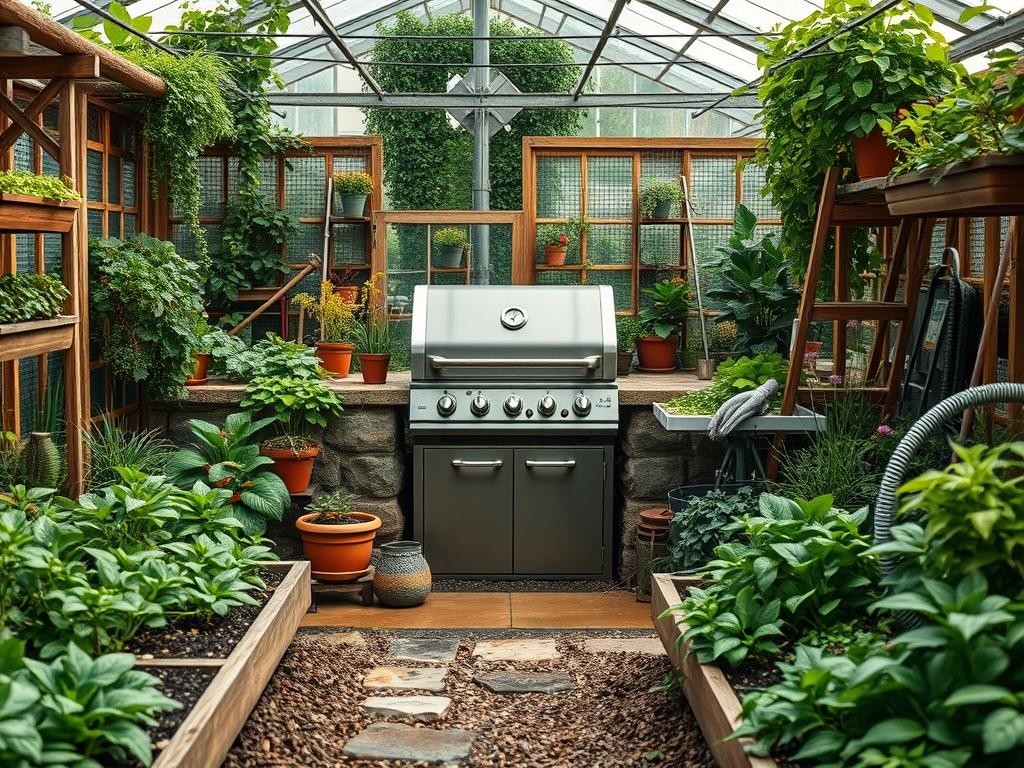
Integrating a professional culinary station into a residential landscape requires a sophisticated balance between architectural permanence and organic fluidity. High-End Backyard Built-In Grills serve as more than just cooking appliances; they act as the structural anchors for modern outdoor living rooms. When we approach a site as landscape architects, we must consider how the heavy masonry of a grill island interacts with the soft textures of the surrounding garden. The challenge lies in creating a space that feels intentional throughout the changing seasons while maintaining the rigorous functionality required for gourmet food preparation. Factors such as prevailing wind patterns, the trajectory of the afternoon sun, and the existing drainage slopes of the property dictate where a massive stone structure can realistically reside. By treating the grill as a focal point within a wider ecosystem, we elevate the backyard from a simple utility area to a refined destination that enhances property value and lifestyle quality.
Landscape Design Principles
Successful integration of High-End Backyard Built-In Grills depends on the core principle of human-centered design. We start with the concept of the work triangle, adapted for the outdoors, ensuring that the movement between the grill, the prep area, and the seating zone is unobstructed. Symmetry often plays a vital role in high-end designs; placing a grill island central to a large Travertine patio can create a sense of formal elegance. However, an asymmetrical approach using tiered elevation layers can offer a more contemporary, organic feel. We use retaining walls to manage slopes and provide additional “perch seating” for guests, allowing the cook to remain part of the conversation without crowding the heat source.
Focal points are essential for directing the eye. A custom grill island finished with Pennsylvania Bluestone veneer and a matching backsplash creates a visual destination. To balance the weight of these heavy stone elements, we introduce softscape buffers. Visual balance is achieved by flanking the masonry with vertical plantings that soften the hard edges. Lighting also plays a critical role. We specify low-voltage LED task lighting for the Granite countertops and subtle path lights to guide traffic. Irrigation planning is another hidden but vital principle. We ensure that spray-head sprinklers are converted to Drip Irrigation zones near the grill to prevent water spots on the stainless steel or calcium buildup on the stone surfaces.
Plant and Material Selection
| Plant Type | Sun Exposure | Soil Needs | Water Demand | Growth Speed | Maintenance Level |
| :— | :— | :— | :— | :— | :— |
| Rosemary | Full Sun | Well-Drained | Low | Moderate | Low |
| English Boxwood | Part Shade | Rich/Loamy | Moderate | Slow | Medium |
| Feather Reed Grass | Full Sun | Average | Moderate | Fast | Low |
| Dwarf Fountain Grass | Full Sun | Moist/Well-Drained | Moderate | Fast | Low |
| Lavender | Full Sun | Sandy/Gravelly | Low | Moderate | Medium |
| Skyrocket Juniper | Full Sun | Adaptive | Low | Fast | Low |
Implementation Strategy
The process begins with precise site grading. Before a single stone is laid for High-End Backyard Built-In Grills, the land must be sloped at a 2 percent grade away from the home and the grill structure itself to prevent water pooling. Once the grade is established, we mark the footprint for the utility trenches. These trenches carry the gas lines, electrical conduits, and water pipes necessary for a fully functional outdoor kitchen. We use a Plate Compactor to stabilize the sub-base, typically consisting of four to six inches of Crushed Limestone. This prevents the heavy grill island from settling or cracking over time.
For the hardscaping, we recommend a mix of materials to create texture. A base of Stacked Ledger Stone provides a rugged, timeless look, while a polished Granite or Soapstone countertop offers a non-porous, easy-to-clean surface. When the masonry is complete, we address the transitions. Metal Edging provides a crisp line between the patio and the planting beds. We apply a three-inch layer of Organic Cedar Mulch to the surrounding garden beds to retain moisture and suppress weeds. Finally, we install French Drains if the site has poor percolation, ensuring that runoff from the patio is directed toward a rain garden or a municipal drainage system rather than the grill’s foundation.
Common Landscaping Failures
The most frequent mistake in designing for High-End Backyard Built-In Grills is ignored drainage. If the patio is not pitched correctly, water will collect at the base of the grill masonry, leading to efflorescence: those unsightly white salt deposits that leach out of the stone. Another common failure is root overcrowding. Designing a beautiful garden around a grill is intuitive, but planting large-growth shade trees within five feet of the structure is a mistake. As the roots expand, they can heave the patio pavers and even sever the underground gas or water lines.
Improper spacing between the cooking surface and combustible materials is a safety failure often seen in DIY projects. We always maintain a minimum of 36 inches of clearance from any overhead structures or low-hanging branches. Soil compaction is another silent killer for the surrounding landscape. During the construction of the grill, heavy machinery often packs the earth so tightly that plants cannot survive. We use a Garden Fork to aerate the soil before planting to ensure oxygen can reach the root zones. Lastly, failing to account for wind patterns can result in smoke being pushed directly into the house or the guest seating area, ruining the outdoor experience.
Seasonal Maintenance
Spring is the time for structural audits. We check the stone veneer for loose sections and clean the Stainless Steel surfaces of the grill with specialized cleaners to remove winter grime. This is also the window to refresh the Organic Mulch and prune any Rosemary or Boxwood that has overgrown the prep area. During the summer, the focus shifts to irrigation. We monitor the Drip Irrigation timers to ensure that heat-reflecting off the stone island isn’t dehydrating the nearby plant life. Checking the burner ports for spider webs or debris ensures even heating during peak barbecue season.
In the autumn, the primary task is debris management. Falling leaves should be cleared from the grill’s ventilation panels and the patio surface to prevent staining, especially on porous stones like Travertine. We also recommend a deep cleaning of the grease traps before the temperatures drop. Winter maintenance involves winterizing the water lines to prevent burst pipes. If the grill is in a climate with heavy snow, a high-quality, breathable cover is essential. We do not recommend using salt or chemical de-icers on the stone patio surrounding the grill, as these can erode the masonry; instead, use coarse sand for traction to preserve the integrity of the high-end finish.
Professional Landscaping FAQ
What is the best countertop material for outdoor grills?
Granite is the industry gold standard due to its density and heat resistance. Unlike marble, it does not stain easily from acidic foods. Always choose a honed finish rather than high-gloss to reduce sun glare while cooking.
How far should a built-in grill be from the house?
For safety and ventilation, we recommend a minimum distance of ten feet. This protects your siding from heat damage and prevents smoke from drifting through open windows or doors. Always check local building codes for specific regional requirements.
Do I need a concrete slab for my grill island?
Yes. A reinforced Concrete Pad at least four inches thick is necessary to support the significant weight of the masonry and the grill unit. Without a proper foundation, the structure will settle unevenly and crack the stone veneer.
How do I hide the utility lines for my outdoor kitchen?
We hide gas and electrical lines within the core of the masonry island. During the design phase, we use PVC Conduit buried at least 18 inches underground to ensure the lines are protected and meet residential safety standards.
What plants work best as a privacy screen near a grill?
Skyrocket Juniper or Aureola Forest Grass provide excellent verticality without being highly flammable. Avoid oily or resinous plants like pines directly next to the heat source. Instead, use herbs like Lavender to provide a pleasant, natural aroma.