
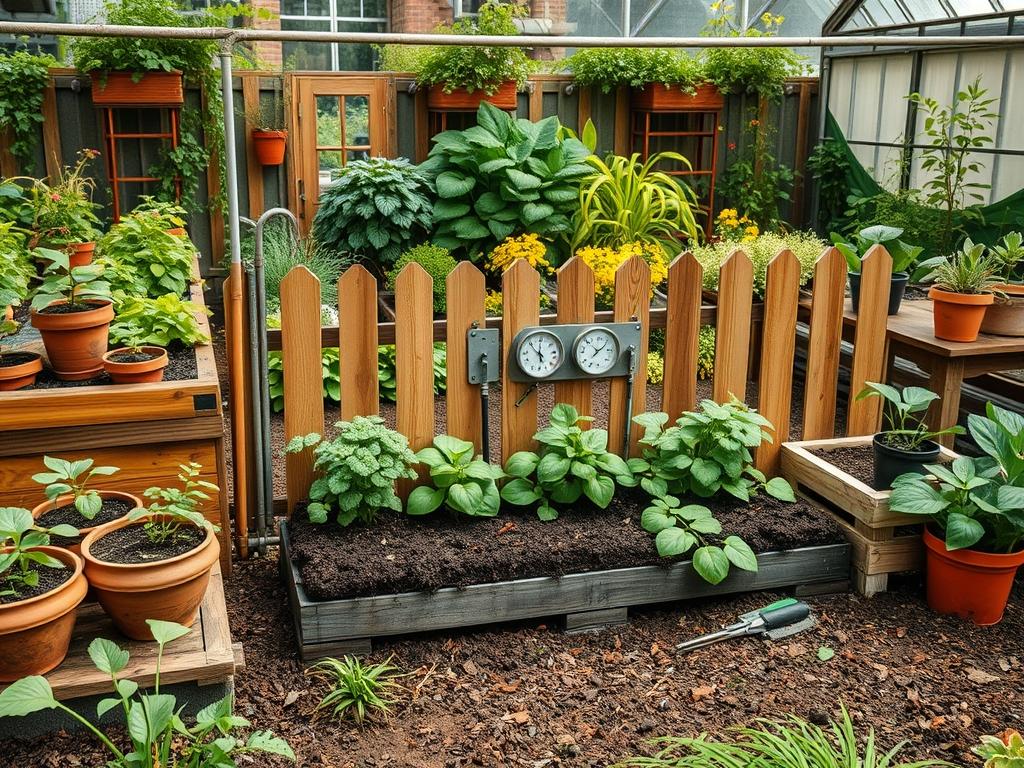
The perimeter of a residential property serves as the structural frame for a living masterpiece. In the world of high-end landscape architecture, the boundary is never merely a property line; it is a critical component of the site’s microclimate, security, and aesthetic harmony. When the structural integrity of this boundary falters, the entire visual balance of the outdoor space collapses. Integrating Backyard Fence Repair Tips into a comprehensive garden plan ensures that the investment in softscaping and hardscaping remains protected from the elements. A well-maintained fence acts as a windbreak for delicate perennials and a backdrop for specimen trees. Neglecting these boundaries often leads to issues with erosion, invasive species encroachment, or localized flooding that can compromise the root systems of expensive nursery stock. By viewing the fence as a functional piece of the landscape ecosystem, homeowners can better appreciate how structural maintenance directly influences curb appeal and long-term property value.
Landscape Design Principles
Successful landscape design relies on the core principles of symmetry, focal points, and elevation layering to create a sense of cohesion. In any professional layout, the fence serves as the ultimate vertical layer. It provides a baseline for visual balance, allowing the designer to use the height of the boundary to determine the appropriate scale for nearby plantings. For instance, a six-foot cedar privacy fence demands mid-story shrubs that reach at least four feet to soften the transition between the ground plane and the sky.
Elevation plays a pivotal role in how water interacts with vertical structures. A common mistake is failing to account for the grade of the land relative to the fence line. Proper landscaping requires that the ground slopes away from the fence posts to prevent moisture accumulation. If the terrain naturally slopes toward a boundary, the installation of a French drain or a shallow swale is necessary to redirect runoff. Without these drainage solutions, the wood fibers of the fence will rot prematurely, necessitating frequent intervention. Symmetry is also achieved through the placement of permanent hardscape features; for example, aligning a stone walkway or a series of heavy-duty planters with the fence posts can create a rhythm that guides the eye through the garden.
Plant and Material Selection
Choosing the right materials and complementary plantings is essential for a low-maintenance landscape that remains vibrant throughout the year. The following table outlines specific plant species often utilized near property boundaries to enhance privacy and aesthetics without compromising structural integrity.
| Plant Type | Sun Exposure | Soil Needs | Water Demand | Growth Speed | Maintenance Level |
| :— | :— | :— | :— | :— | :— |
| Star Jasmine | Full Sun to Part Shade | Well-drained | Moderate | Fast | Moderate (Pruning) |
| English Boxwood | Part Shade to Shade | Loamy, Moist | Moderate | Slow | Low |
| Skyrocket Juniper | Full Sun | Sandy, Dry | Low | Medium | Very Low |
| Climbing Hydrangea | Part Shade | Rich, Organic | High | Slow to Start | Medium |
| Emerald Green Arborvitae | Full Sun | Adaptable | Moderate | Medium | Low |
When selecting fencing materials, the environment dictates the choice. Pressure-treated pine is a cost-effective option for many regions, yet it requires regular sealing to prevent warping. For high-moisture climates, composite decking materials or vinyl are often preferred for their resistance to fungal decay and insect infestation. However, from a design perspective, Western Red Cedar remains the gold standard for its natural oils and ability to withstand the elements without the synthetic look of plastic alternatives.
Implementation Strategy
Planning a backyard layout begins with a thorough site analysis that includes a survey of underground utilities and existing drainage patterns. Once the site is cleared, the grading process must be the first priority. Builders should ensure that the soil is compacted properly near the fence line to avoid settling, which can cause posts to lean. A common tip found in any Expert Guide to Common Backyard Fence Repair Tips is the use of crushed gravel or drainage stone at the base of each post. This prevents soil-to-wood contact, which is the primary cause of rot at the ground level.
After grading, the installation of edging serves the dual purpose of aesthetic definition and weed control. Whether using steel edging, paver stones, or plastic benders, this barrier keeps mulch and organic matter away from the fence boards. When applying mulch, a depth of three inches is standard for moisture retention and weed suppression; however, this mulch should never be piled against the fence. Maintaining a two-inch gap between the organic material and the vertical structure ensures air circulation and prevents wood decay. Finally, the inclusion of a dedicated irrigation system with drip lines for perimeter plants allows for targeted watering, reducing the risk of over-spraying the fence and causing water stains or mold growth.
Common Landscaping Failures
The most frequent failure in residential landscapes is the neglect of the “post-to-soil” interface. Many homeowners believe that encasing a wooden post in concrete is enough to protect it, but over time, the wood shrinks away from the concrete. This creates a tiny gap where water collects, leading to rot that is hidden from view until the post snaps during a windstorm. Professional installers recommend sloping the top of the concrete footer away from the post to shed water effectively.
Another significant failure involves root overcrowding. Planting large-canopy trees like Oaks or Maples too close to a fence will eventually lead to the destruction of the structure. As the trunk expands and the surface roots thicken, they exert immense pressure on the fence footings, often lifting them out of the ground or snapping the horizontal rails. Designers should always account for the mature width of a plant species, rather than its size at the time of purchase. Soil compaction is also a hidden enemy. Heavy machinery used during fence repair can compact the soil, making it impossible for nearby plants to absorb oxygen and nutrients. Aerating the soil after any major structural work is a mandatory step for maintaining garden health.
Seasonal Maintenance
To preserve the beauty of a backyard oasis, a seasonal management schedule should be strictly followed. This proactive approach identifies small issues before they become expensive failures.
Spring: This is the season for deep cleaning. Use a pressure washer on a low setting to remove winter grime, moss, and mildew from the fence surfaces. Inspect every post for stability and check the hardware; tighten any loose galvanized screws or hinges. Apply a fresh coat of UV-resistant stain or sealant if the wood appears gray or brittle.
Summer: Focus on irrigation management. Ensure that sprinkler heads are not hitting the fence consistently, as the mineral deposits in city water can leave permanent white streaks on dark wood or vinyl. Monitor the growth of climbing vines and trim them back if they begin to pull on the weight of the fence boards.
Autumn: Clear away fallen leaves and organic debris from the base of the fence. Wet foliage trapped against the wood during the rainy season is a recipe for rot. This is also the best time to prune any overhanging branches that could fall and damage the structure during a winter storm.
Winter: For those in colder climates, frost heave is a major concern. Check the vertical alignment of the posts after the first several freezes. Avoid piling snow against the fence when clearing walkways, as the weight and moisture can lead to structural bowing and long-term water damage.
Professional Landscaping FAQ
How can I stop my wooden fence from rotting at the bottom?
Ensure the fence boards are installed at least two inches above the soil line. Use a spirit level to verify the gap remains consistent. Additionally, maintain a gravel buffer between the garden bed and the fence to facilitate rapid drainage.
What is the best way to hide an ugly fence without replacing it?
Install a timber trellis over the existing structure and plant fast-growing climbers like Clematis or Star Jasmine. This adds vertical interest and lush green texture while masking structural imperfections without the cost of a full demolition.
Can I use a pressure washer on all fence materials?
While effective for wood and vinyl, use caution with older, brittle materials. Always use a wide-angle nozzle and keep the wand at least twelve inches from the surface. Over-pressurizing can gouge soft wood like Cedar or crack aged plastic.
How do I fix a fence post that is leaning?
Excavate the soil around the post and use a heavy-duty lever to pull it back to plumb. Once straight, backfill the hole with crushed stone and a fast-setting concrete mix, sloping the surface to divert water away from the wood.
Is it necessary to stain both sides of a privacy fence?
Yes. Staining only one side creates an imbalance in moisture absorption. The untreated side will expand and contract at a different rate than the sealed side, which inevitably leads to warping, cupping, and structural failure over several seasons.