
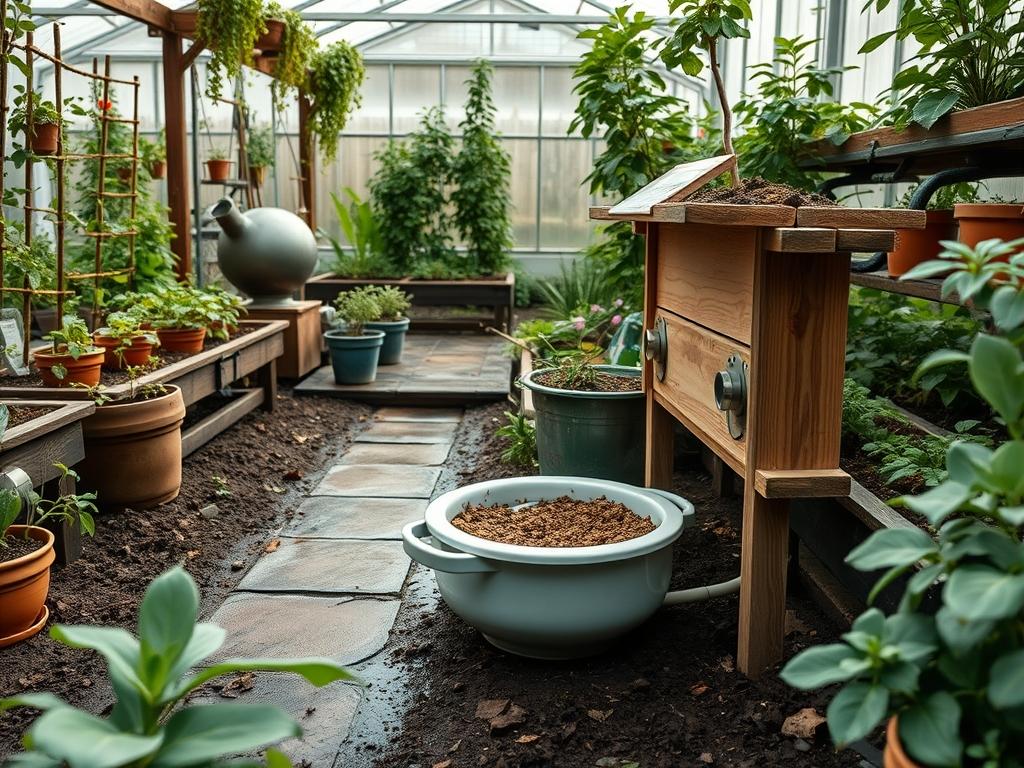
Integrating professional-grade Backyard Pet Feeding Stations into a residential landscape requires a sophisticated balance of utility, durability, and aesthetic cohesion. Modern homeowners no longer view pet care as a secondary chore relegated to a mudroom or a cluttered back porch. Instead, the focus has shifted toward site-specific installations that respect the architectural integrity of the home while catering to the biological needs of domestic animals. The primary challenge involves managing the intersection of moisture, traffic, and hygiene in an outdoor setting. Climate considerations are paramount; a station designed for the humid Southeast must handle mold and mildew, while a high-altitude mountain design must withstand intense UV radiation and snow load. By treating the feeding area as a focal point or a seamless extension of a retaining wall, designers can enhance curb appeal and property value. The goal is a transition from a simple bowl on the grass to a permanent, plumbed, and well-drained architectural feature that serves as a cornerstone of the outdoor living experience.
Landscape Design Principles
Successful integration begins with symmetry and a clear understanding of the existing geometric lines within the garden. A modern backyard is often defined by its hardscape; therefore, the feeding station should align with the grid of large-format pavers or the linear trajectory of an outdoor kitchen. If the landscape follows an organic, curvilinear style, the station can be nestled into a boulder outcrop or a tiered garden bed using natural fieldstone. Elevation layers are critical for both human ergonomics and pet health. Large breeds benefit from elevated platforms that reduce neck strain, while smaller pets require lower access points. By designing the station with varying heights, you create a visual hierarchy that mirrors the tiered planting beds elsewhere in the yard.
Focal points are often used to draw the eye toward art or water features, but a custom feeding station can serve this role if executed with premium materials. Consider a cantilevered poured concrete counter that appears to float above a bed of polished Mexican beach pebbles. This creates a clean, minimalist look. Irrigation planning is another essential pillar of design. While most stations include a manual water bowl, high-end designs incorporate an auto-fill valve connected to the main potable water line. This ensures a constant supply of fresh water while reducing the maintenance burden on the owner. Walkways leading to the station should be constructed from non-slip materials like decomposed granite or textured flagstone to prevent accidents during wet weather. Visual balance is maintained by mirroring the materials used in the feeding station with those used in the home’s exterior trim or the primary patio surface.
Plant and Material Selection
The materials selected for a feeding zone must be non-porous and easy to sanitize. Avoid soft woods that can harbor bacteria or rot when exposed to spilled water and food particles. Instead, prioritize Ipe wood, stainless steel, or engineered quartz. The surrounding vegetation must be non-toxic to pets while providing enough structure to discourage trampling.
| Plant or Material | Sun Exposure | Soil Needs | Water Demand | Growth Speed | Maintenance Level |
| :— | :— | :— | :— | :— | :— |
| Blue Fescue | Full Sun | Well-drained | Low | Moderate | Low |
| Creeping Thyme | Full Sun to Part Shade | Sandy/Loamy | Low | Fast | Low |
| Lemon Balm | Full Sun to Part Shade | Moist/Rich | Moderate | Fast | Moderate |
| Snapdragons | Full Sun | Rich/Organic | Moderate | Moderate | Moderate |
| Polished Concrete | N/A | Sub-base required | None | N/A | Low |
| River Rock (1-3 inch) | N/A | N/A | None | N/A | Low |
| Zinc Planters | N/A | N/A | None | N/A | Low |
Implementation Strategy
The implementation of Backyard Pet Feeding Stations begins with professional site grading. This is the most crucial step; even a minor incline toward the house can result in water pooling near the foundation or under the feeding platform. Excavate the area to a depth of 6 inches and install a 4-inch layer of compactable aggregate. This provides a stable, frost-resistant base for whatever hardscape material you choose. Use a hand tamper or plate compactor to ensure the base is solid, preventing future settling that could crack stone or concrete components.
Once the base is prepared, install heavy-duty aluminum edging or steel landscape restraints to define the station’s perimeter. This prevents mulch and soil from migrating into the feeding area. For the station itself, consider a built-in cabinet approach. Use CMU blocks (concrete masonry units) clad in slate veneer to create a weather-proof shell. The top of this structure should feature a slight 1-percent slope to encourage water runoff. If you are integrating a water line, run 1/2-inch PEX piping through a PVC sleeve buried at least 12 inches below the frost line.
After the primary structure is set, address the surrounding drainage. Install a French drain or a dry creek bed filled with 3/4-inch crushed granite directly beneath the water bowl area. This catches spills and diverts them away from the station. Finish the installation with a 2-inch layer of hardwood mulch or river rock around the periphery to provide a clean transition to the lawn or garden beds. If using wood, ensure it is treated with a food-safe sealant to withstand the elements without leaching chemicals.
Common Landscaping Failures
One of the most frequent mistakes in outdoor pet design is the neglect of the “splash zone.” Pets are inherently messy eaters and drinkers. If the station is surrounded by standard turf, the area will quickly turn into a muddy pit, leading to soil compaction and dead grass. This not only looks poor but can also trap moisture against the home’s siding. Another failure is root overcrowding. Designers often try to tuck feeding stations into tight corners surrounded by aggressive shrubs. Over time, the roots of these plants can lift pavers or intrude into the drainage pipes, causing the entire system to fail.
Improper spacing is another concern. The station must be located away from high-traffic zones like the main grill or the swimming pool to avoid pet-human collisions, yet it must remain within sight of the house for safety. Irrigation inefficiencies also plague many projects. If a sprinkler head is positioned too close to the feeding station, it can contaminate the pet’s food with reclaimed water or chemicals. Finally, failing to account for the local microclimate can lead to disaster. A station placed in permanent shade may suffer from chronic dampness and algae growth, while one in the blistering sun can make metal bowls hot enough to burn a pet’s nose.
Seasonal Maintenance
Landscape management is an ongoing process that changes with the calendar. In the Spring, inspect the station for signs of frost heave or shifted stones. Clean out any debris that has accumulated in the drainage grates and check the irrigation valves for leaks before the peak heat arrives. Re-edge the surrounding garden beds and refresh the mulch to maintain a clean aesthetic.
During the Summer, focus on hygiene and hydration. The proximity to food can attract pests such as ants or wasps. Use a solution of vinegar and water to sanitize the stone surfaces weekly. If you have planted herbs like Rosemary or Lemon Balm around the station, harvest them regularly to promote dense, bushy growth and discourage woodiness.
In the Autumn, the primary task is leaf management. Decaying leaves can clog the gravel drainage beds and create a slippery surface. Use a leaf blower or rake to keep the hardscape clear. If you live in a region with freezing temperatures, begin the process of winterizing the water lines. Shut off the supply and blow out the lines using compressed air to prevent bursting pipes.
Winter maintenance involves protecting the station from the weight of snow and ice. Avoid using harsh de-icing salts near the station, as these can be toxic to pets and corrosive to natural stone and concrete. Instead, use a plastic shovel to clear snow from the access paths and the feeding platform. Check the integrity of any wood components, as cycles of freezing and thawing can cause small cracks that may need to be addressed in the coming spring.
Professional Landscaping FAQ
Where is the best location for an outdoor feeding station?
Locate the station in a semi-shaded area with high visibility from the house. Ensure it is placed on a graded, well-draining surface away from high-traffic entertainment zones to prevent accidental spills and animal stress.
How do I prevent ants and pests from reaching the pet food?
Design the station with a moat feature or an elevated poured concrete pedestal. Surrounding the base with diatomaceous earth or planting mint and marigolds nearby can also naturally deter many common crawling insects.
What is the best hardscape material for the splash zone?
Polished concrete, non-slip porcelain pavers, or natural slate are excellent choices. These materials are non-porous and resistant to staining, making them easy to pressure wash or scrub when food and water spills occur.
Can I integrate my feeding station with my irrigation system?
Yes. You can install a dedicated low-flow zone with an auto-fill float valve. This provides a continuous supply of fresh water. Ensure the line is buried below the frost line and features a dedicated shut-off valve.
Should I use real grass or artificial turf around the station?
Artificial turf with a high-permeability backing is often superior for high-traffic pet areas. It eliminates mud and facilitates easier cleaning of solid waste; however, ensure the turf has a cooling infill to prevent heat retention.