
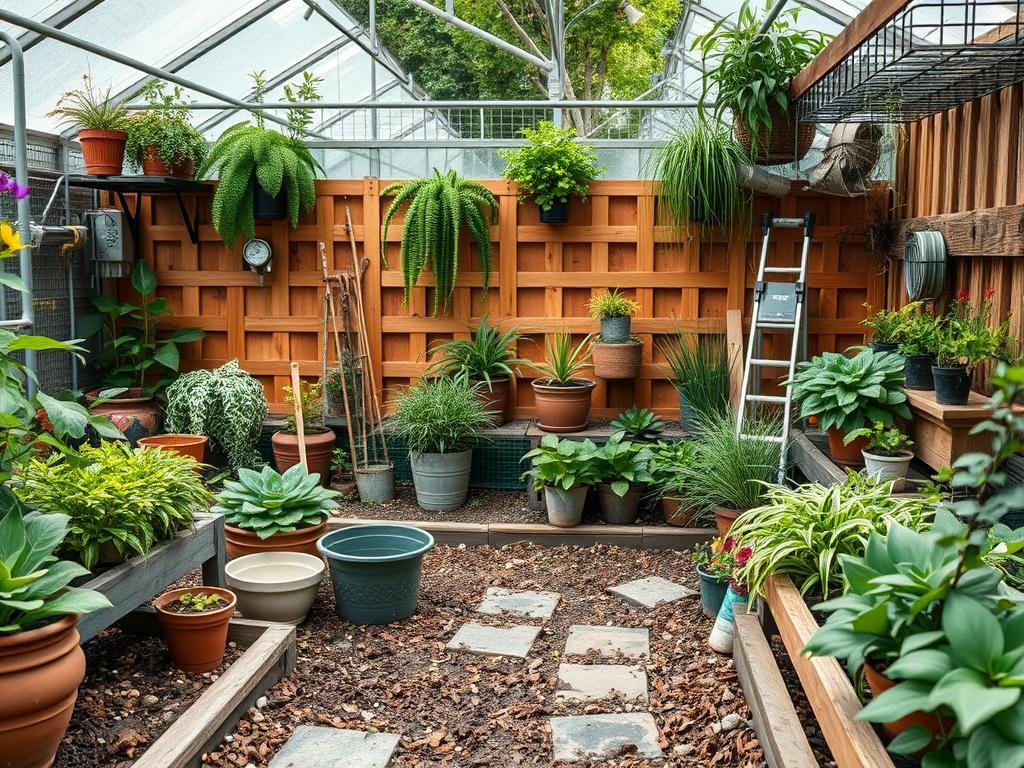
The quest for seclusion in residential outdoor spaces often requires more than just a standard perimeter fence. In modern landscape architecture, achieving a sense of sanctuary involves a delicate balance between structural permanence and organic flexibility. This is where Backyard Privacy Pot Designs play a pivotal role. As property lines tighten and multi story developments neighbor single family homes, the need for vertical screening that does not feel claustrophobic has increased. Professionals now look toward large scale container gardening to create mobile, breathable walls that can adapt to changing light patterns or seasonal shifts. These installations do more than just block a neighbor’s view; they enhance the overall aesthetic value of the property, improve air quality through dense foliage, and provide acoustic dampening against urban noise. Factors such as regional climate, wind load, and the specific architecture of the home must dictate the choice of materials and plant species. By treating containers as architectural extensions of the residence, a designer can turn a generic patio into a high end living room that offers total visual isolation.
Landscape Design Principles
Effective backyard planning follows several core tenets that ensure the space feels intentional and cohesive. Symmetry is a primary tool for creating a sense of order. By placing matched pairs of Large Scale Planters at the thresholds of walkways or the corners of a deck, you draw the eye toward specific focal points while framing the view. This technique creates a physical boundary without the harshness of a solid wall. Designers often use the concept of elevation layers to build depth. This involves selecting pots of varying heights, such as a 36-inch Trough paired with a 24-inch Cube, to mimic the staggered growth found in natural forest edges.
Integration of irrigation is another vital principle. Hand watering a dozen large containers is rarely sustainable for busy homeowners. A professional layout incorporates a hidden Drip Irrigation System with 1/4-inch Tubing discreetly tucked under the rims of the pots. This ensures consistent moisture levels, which is crucial because containers lose water significantly faster than ground soil through evaporation. Furthermore, visual balance must be maintained by considering the weight and color of the pots. Dark, heavy materials like Cast Stone or Corten Steel provide a grounded, permanent feel, whereas Lightweight Fiberglass or Resin allows for easier reconfiguration. Walkways should remain at least 48 inches wide to accommodate the natural “spillover” of foliage, ensuring that guests do not feel crowded by the privacy screen.
Plant and Material Selection
Choosing the right biological components is the difference between a thriving screen and a dying investment. The following table identifies five of the most reliable species for containerized privacy.
| Plant Type | Sun Exposure | Soil Needs | Water Demand | Growth Speed | Maintenance Level |
| :— | :— | :— | :— | :— | :— |
| American Arborvitae | Full Sun | Well-drained | Moderate | Medium | Low |
| Clumping Bamboo | Full / Part Sun | Rich Organic | High | Very Fast | Moderate |
| Sky Rocket Juniper | Full Sun | Sandy/Loamy | Low | Medium | Low |
| Maiden Grass | Full Sun | Adaptable | Moderate | Fast | Low |
| Italian Cypress | Full Sun | Well-drained | Low | Fast | Moderate |
When selecting materials for the containers themselves, it is essential to match the pot’s thermal properties to the plant’s needs. Terra Cotta is beautiful but porous, leading to rapid drying in windy environments. In contrast, Double Walled Plastic or Metal with Foam Insulation Liners can protect root systems from the extreme heat of the afternoon sun and the freezing temperatures of winter. The choice of Potting Mix should also be specific; never use garden soil in pots. Instead, look for professional grade mixes containing Peat Moss, Perlite, and Pine Bark to ensure maximum aeration.
Implementation Strategy
The process begins with a thorough site analysis to identify prevailing wind directions and sun paths. High profile pots can act like sails during a storm. Therefore, securing them to a stable base is paramount. If placing pots on a wooden deck, ensure the joists can support the saturated weight of a 30-inch Concrete Planter, which can exceed 400 pounds. For ground level installations, start with proper grading. The area should have a slight slope of 2 percent away from the home foundation to prevent water pooling.
Once the layout is marked, lay down a thick layer of Landscape Fabric to prevent weed growth between the pots. If the containers will be stationary, consider a base of Crushed Limestone or Decomposed Granite for a level, permeable surface. When filling the pots, place a layer of Geotextile Fabric over the drainage holes to prevent the potting mix from washing out. Fill the bottom third of oversized pots with Lightweight Recycled Plastic Bulking if the plant species does not require deep roots; this reduces overall weight and cost. After planting, apply 2 inches of Cedar Mulch or Polished River Rock to the surface of the soil. This layer reduces evaporation and gives the installation a finished, professional appearance. Finally, install Low-Voltage LED Uplighting behind the pots to create a dramatic silhouette effect at night, further reinforcing the privacy barrier even after the sun sets.
Common Landscaping Failures
The most frequent mistake in Backyard Privacy Pot Designs is inadequate drainage. Simply having a hole in the bottom of a pot is not enough. If a pot sits flush against a non-porous surface like a concrete patio, the hole can become vacuum sealed, leading to stagnant water and root rot. Using Pot Feet or Elevated Risers is a simple solution to allow air and water to move freely. Another common error is root overcrowding. Homeowners often purchase fast growing species like Running Bamboo without realizing that it will crack a standard ceramic pot within two seasons. Always opt for Clumping varieties and ensure the container is at least twice the width of the original root ball.
Soil compaction is a silent killer of containerized plants. Over time, the organic matter in potting soil breaks down and settles, squeezing out the oxygen pockets necessary for root respiration. To fix this, a professional refreshes the top 6 inches of soil annually. Furthermore, improper spacing often leads to “thinning at the bottom.” If privacy pots are placed too close together, the lower branches of the plants will not receive enough light, causing them to drop leaves and creating gaps in your visual screen. Spacing should be calculated based on the plant’s mature width, not its size at the nursery.
Seasonal Maintenance
Landscape management is a year round commitment that changes with the weather. In the Spring, the priority is rejuvenation. This is the time to apply a Slow Release 14-14-14 Fertilizer and perform structural pruning. Remove any dead or crossing branches to encourage outward growth. As Summer arrives, the focus shifts to hydration. During heatwaves, containers may require watering twice daily. A Soil Moisture Meter is an invaluable tool here to prevent both over and under watering.
Autumn is the season for preparation. Clean the foliage of dust and pests, and consider applying an Anti-Desiccant Spray to evergreens to help them retain moisture through the dry winter months. As temperatures drop, maintenance involves protecting the pots from the freeze-thaw cycle. Pots made of Ceramic or Thin Plastic should be wrapped in Burlap or moved to a sheltered area to prevent cracking. Winter is also the time to check the structural integrity of your Trellises or Support Stakes, as heavy snow loads can bend or snap young trees housed in containers.
Professional Landscaping FAQ
How do I prevent my tall privacy pots from blowing over?
Use heavy materials like Cast Stone for the base. Alternatively, fill the bottom 25 percent of the container with Large River Rocks before adding light potting soil to lower the center of gravity and provide stability against high winds.
Can I grow a privacy hedge in pots year round?
Yes, provided you choose hardy evergreens like Boxwood or Juniper. Ensure the container is large enough to insulate the roots and use Frost Resistant Materials like Fiberglass or Metal to avoid damage from winter temperature fluctuations.
What is the best way to hide irrigation lines?
Run the Main Poly Tubing along the back side of the pots, away from the primary viewing angle. Use Black 1/4-inch Distribution Tubing and staple it to the inner rim of the pot, covering it with a layer of Decorative Mulch.
How long will plants last in Backyard Privacy Pot Designs?
With professional care, most woody perennials and trees can thrive for 5 to 10 years in a container. Eventually, they will become root bound and require either systematic root pruning or transplanting into a larger vessel or the ground.
Is it necessary to use a liner for metal planters?
Yes, metal conducts heat rapidly. Without a Rigid Foam or Plastic Liner, the soil temperature can rise high enough to cook the root system during summer. A liner also prevents minerals in the soil from corroding the metal over time.