
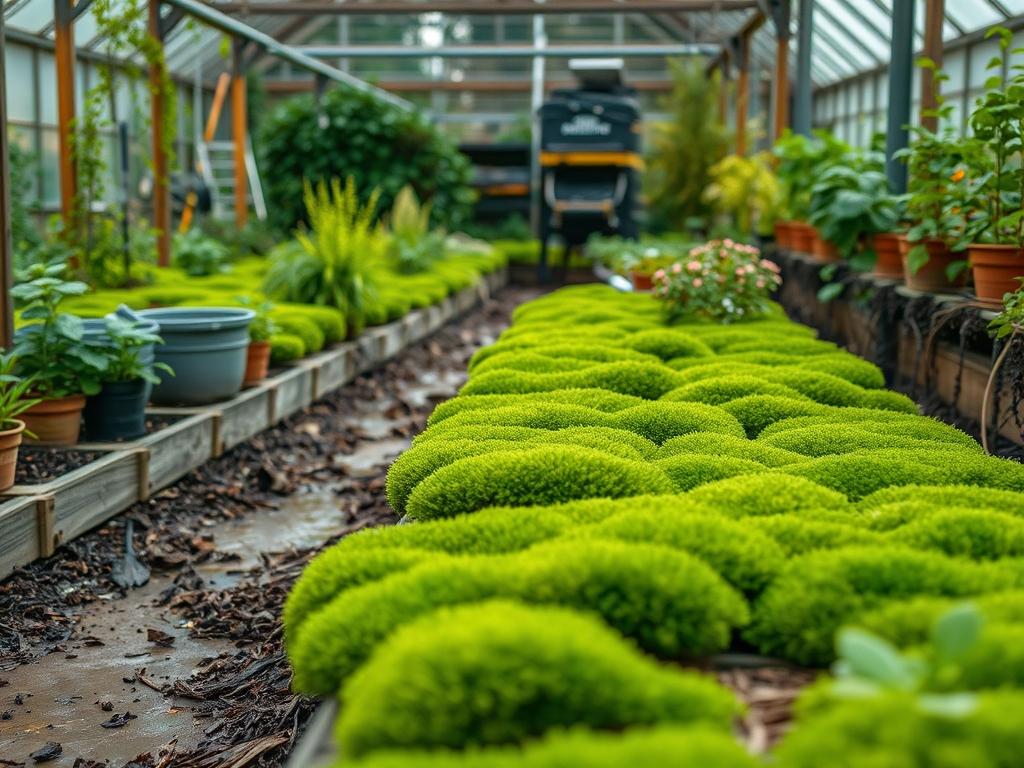
Landscaping is a discipline defined by the balance between aesthetic intent and ecological reality. When a property owner encounters a persistent layer of emerald growth across their pavers or lawn, they often view it as a superficial blemish. However, from the perspective of a landscape architect, moss is a biological indicator. It signals high moisture retention, soil acidity, and significant shade. Effectively managing this growth involves more than just temporary removal; it requires a comprehensive understanding of site conditions, drainage patterns, and the functional goals of the outdoor environment. Curb appeal is diminished when walkways become slippery and lawns appear patchy. Addressing these issues through professional backyard moss cleaning tips ensures that the outdoor space remains both safe and visually cohesive. By treating the root causes rather than just the symptoms, we can transform a damp, moss prone corner into a vibrant, high performing landscape.
Landscape Design Principles
Successful landscape architecture relies on the integration of symmetry and focal points to guide the eye and define the space. When dealing with areas prone to moss, symmetry can be achieved by balancing heavily shaded zones with structured hardscaping. If one side of a property is dominated by ancient oaks that prevent grass growth, a designer might implement a mirrored stone terrace on the sunnier side to provide visual equilibrium. Focal points, such as a large granite boulder or a high quality patio set, draw attention away from ground level imperfections while providing structural anchors for the garden.
Elevation layers are critical in managing the microclimates of a backyard. By utilizing retaining walls made of natural stone or interlocking concrete blocks, architects can create tiers that improve air circulation and sunlight penetration. These layers prevent the “bowl effect” where cold, moist air settles in low spots, creating a breeding ground for moss. Furthermore, irrigation planning must be precise. Over-saturation is the primary driver of moss expansion. A well designed system uses drip irrigation rather than high volume spray heads in shaded zones to ensure that moisture reaches the roots of intended plants without lingering on the soil surface. Walkways should be designed with a subtle crown, a slight hump in the center, to facilitate immediate water runoff toward designated drainage areas.
Plant and Material Selection
| Plant Type | Sun Exposure | Soil Needs | Water Demand | Growth Speed | Maintenance Level |
| :— | :— | :— | :— | :— | :— |
| Japanese Forest Grass | Partial to Full Shade | Moist, well drained | Medium | Moderate | Low |
| Hosta | Shade to Part Sun | Rich, organic | Medium | Fast | Low |
| Creeping Thyme | Full Sun | Sandy, poor soil | Low | Moderate | Low |
| Azalea | Dappled Sunlight | Acidic, well drained | High | Moderate | Medium |
| Star Jasmine | Full Sun to Part Shade | Versatile, loamy | Medium | Fast | Moderate |
| Pachysandra | Full Shade | Heavy, acidic | Medium | Moderate | Very Low |
Selecting the right materials is just as important as the flora. For areas where moss is a constant threat, homeowners should opt for non-porous materials or stones with a high density. Slate, travertine, and certain types of sealed concrete are more resistant to spore attachment than soft, porous limestone or sandstone. When choosing mulch, pine bark nuggets or shredded cedar are preferable because they do not mat down as tightly as finer mulches, allowing better gas exchange for the soil and reducing the damp surface area where moss thrives.
Implementation Strategy
The process of reclaiming a backyard starts with a physical survey and the application of mechanical backyard moss cleaning tips. Use a stiff-bristled brush or a standard garden rake to physically detach the moss from the substrate. For large scale lawn areas, a power rake set to a depth of 0.5 inches is incredibly effective at pulling up the thick mats of moss without destroying the grass root system. Once the surface is clear, the focus shifts to grading. The ground must be sloped at a minimum of 2 percent away from all structures. This ensures that heavy rainfall moves toward a catch basin or a French drain rather than pooling.
If moss is growing on hardscaping, the use of a pressure washer can be effective; however, the pressure should be kept below 2,000 PSI to avoid pitting the stone or washing away the polymeric sand in the joints. After cleaning, applying a solution of ferrous sulfate or a specialized moss killer will neutralize remaining spores. To prevent a recurrence, it is often necessary to adjust the soil pH. Most mosses thrive in acidic conditions below 6.0 pH. Applying pelletized lime at a rate of 50 pounds per 1,000 square feet can raise the pH, making the environment less hospitable for moss and more favorable for turfgrass. Finally, install steel edging to create crisp boundaries between garden beds and lawns, which helps manage drainage and prevents soil migration.
Common Landscaping Failures
The most frequent mistake in backyard maintenance is the failure to address subsurface drainage. Many homeowners install beautiful surface features only to find them swamped within a single season because the soil is too compacted to absorb water. Soil compaction prevents oxygen from reaching plant roots, stressing the desired vegetation and leaving a vacuum that moss quickly fills. Another common failure is root overcrowding. When too many large canopy trees are planted in a small area, they compete for nutrients and create an impenetrable canopy that blocks all sunlight. This creates a “dead zone” where nothing but moss can survive.
Improper spacing of plants also leads to poor air circulation. When shrubs are planted too close together or too close to the side of a house, humidity levels spike in the stagnant air. This creates a moist microclimate perfect for moss and mold. Furthermore, irrigation inefficiencies, such as “set it and forget it” timers that run during rainstorms, are a major contributor to moss growth. Without sensors to monitor soil moisture, the landscape remains perpetually soggy, which eventually leads to root rot in premium plant species.
Seasonal Maintenance
Seasonal care is the backbone of a professional landscape. During the spring, the primary goal is revitalization. Apply core aeration to the lawn to alleviate winter compaction and allow the soil to breathe. This is also the time to apply pre-emergent herbicides and a light layer of compost to encourage vigorous grass growth that can out-compete moss. In the summer, maintenance focuses on water management. Observe the yard during the hottest hours to see if any areas are remaining damp while others are dry; this indicates a drainage or leveling issue that must be addressed before the autumn rains arrive.
Autumn is perhaps the most critical season for moss prevention. Fallen leaves must be removed promptly using a leaf blower or specialized rake; if left on the ground, they trap moisture and block sunlight, creating a perfect incubator for moss. It is also the best time to overseed thin areas of the lawn with shade-tolerant fescue. During the winter, the priority shifts to monitoring and protection. Ensure that drainage pipes are clear of debris and that heavy snow is not piled on top of sensitive garden beds. If you notice moss appearing on walkways during the damp winter months, a quick application of coarse sand can provide traction while physically disrupting the moss growth.
Professional Landscaping FAQ
How do I permanently stop moss from growing on my patio?
To stop moss permanently, you must eliminate the conditions it needs. Improve drainage to keep the area dry, increase sunlight by pruning nearby trees, and apply a high quality silane-based sealer to the stone to prevent moisture absorption.
Does vinegar work as a backyard moss cleaning tool?
Yes, diluted white vinegar is an effective, natural moss killer. Use a solution of one part vinegar to four parts water and apply it with a pump sprayer. This will desiccate the moss quickly, allowing for easy removal with a brush.
Is moss actually harmful to my lawn or garden?
Moss is not parasitic and does not directly harm plants. However, its presence indicates that your grass is struggling due to poor soil, too much shade, or excessive water. It fills the space where healthy plants should be growing.
What tools are best for heavy moss removal?
For hard surfaces, use a flat-head spade and a wire brush. For lawns, a thatching rake or a gas-powered scarifier is necessary to lift the dense moss carpet without damaging the underlying soil structure or healthy grass roots.
Can I grow moss intentionally as a landscaping feature?
Absolutely. Many modern designs incorporate sheet moss or cushion moss in “zen” gardens or between stepping stones. In these cases, you intentionally create high shade and moisture areas using misters and acidic soil amendments like peat moss.