
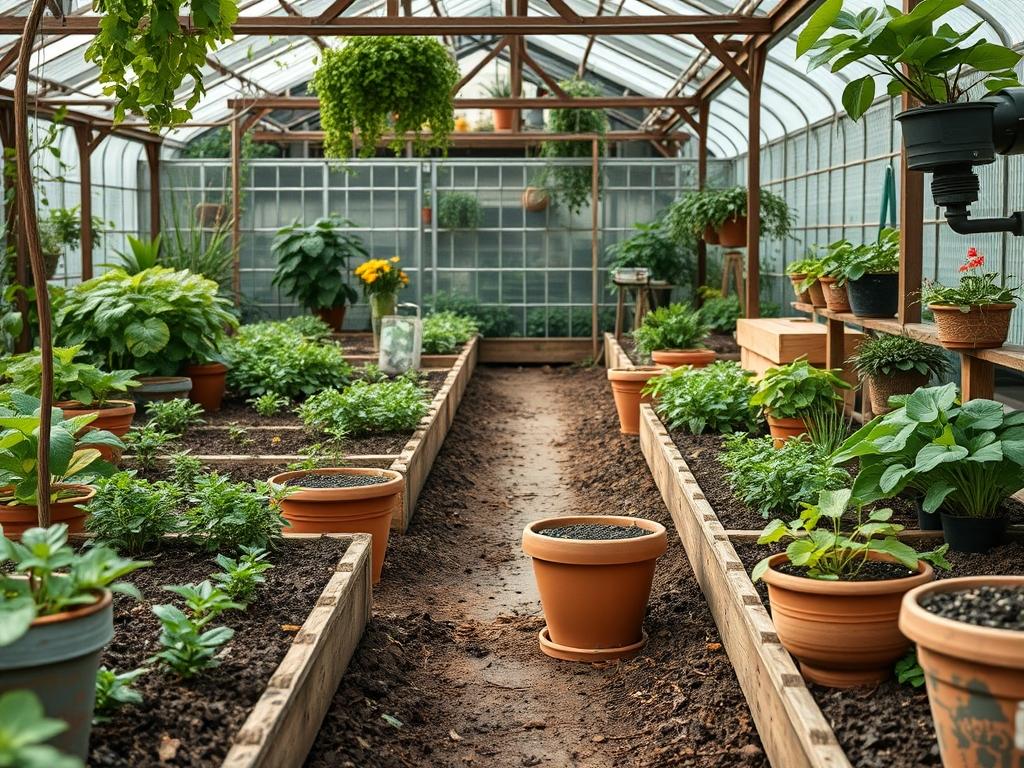
Every residential outdoor space, regardless of its square footage, possesses the potential to feel expansive and multi-dimensional if the designer understands the physics of sightlines. Homeowners often struggle with the feeling of being boxed in by property lines or restrictive fencing. This sensation of enclosure can diminish the perceived value of a home and limit the enjoyment of the outdoor environment. By integrating strategic backyard optical illusion tips, a consultant can transform a flat, stagnant lot into a rhythmic landscape that draws the eye toward a perceived horizon. These techniques do more than just improve aesthetics; they maximize the utility of the land by creating distinct zones and enhancing the overall flow of movement. In varied climates, from arid regions to temperate zones, the choice of materials and plant selections must harmonize with these visual tricks to ensure the illusion remains effective throughout the seasonal cycles. A well-executed plan balances the immediate gratification of curb appeal with the long term requirements of soil health and structural integrity.
Landscape Design Principles for Depth
Establishing depth in a confined backyard requires a mastery of forced perspective and layering. One of the most effective methods involves the manipulation of horizontal lines. If a walkway is designed with perfectly parallel edges, the eye follows it at a predictable pace. However, if the designer tapers the path, making it slightly narrower at the far end, it creates an illusion of greater distance. Using a laser level and surveyor stakes, you can ensure that a path starts at 48 inches wide near the patio and gradually constricts to 30 inches at the rear gate. This simple geometric shift convinces the brain that the path is much longer than its actual measurement.
Symmetry contributes to this effect by providing a structured framework that guides the viewer’s gaze. Creating a central axis with balanced plantings on either side acts as a visual corridor. Within this corridor, the use of focal points is essential. A distant stone pedestal or a sculptural water feature placed at the termination of a sightline provides a destination for the eye, making the journey feel more significant. Elevation changes are another vital tool. Even a minor rise of 6 inches to 12 inches achieved through a low retaining wall or a tiered garden bed breaks the monotony of a flat plane. By layering the landscape from the ground up, you introduce a vertical dimension that distracts from the proximity of the boundaries.
Irrigation planning must accompany these design choices to ensure that the focal points remain vibrant. A hidden drip irrigation system is preferable for maintaining the crisp lines of a formal illusion garden. When the greenery is lush and healthy, the shadows it casts contribute to the depth. Sparse or dying foliage breaks the atmospheric perspective, causing the illusion to collapse. Furthermore, the placement of lighting should mimic the natural recession of light. Brighter fixtures should be used near the house, while softer, dimmer LED path lights should be used at the far end of the garden to mimic the natural way light fades over a long distance.
Plant and Material Selection
The following table outlines the technical requirements for common species used to create depth through color and texture management.
| Plant Type | Sun Exposure | Soil Needs | Water Demand | Growth Speed | Maintenance Level |
| :— | :— | :— | :— | :— | :— |
| Dwarf Boxwood | Full to Partial | Well-drained | Moderate | Slow | Low |
| Climbing Hydrangea | Shade to Partial | Rich, Moist | High | Medium | Moderate |
| Japanese Maple | Partial Sun | Acidic/Loamy | Moderate | Slow | Medium |
| Blue Star Creeper | Full Sun | Well-drained | Medium | Fast | Low |
| Ornamental Onion | Full Sun | Sandy/Gravelly | Low | Medium | Very Low |
| Sky Rocket Juniper | Full Sun | Adaptable | Low | Fast | Low |
To enhance the illusion of depth, practitioners should utilize the principles of atmospheric perspective. This involves placing large, bold textured plants like Hosta or Agave in the foreground. Their heavy leaves and vibrant greens feel close and substantial. In contrast, fine textured plants such as Mexican Feather Grass or Lavender should be placed in the background. The small leaves and muted colors of these species naturally recede from the viewer. Cool colors, specifically blues, purples, and soft whites, are ideal for the perimeter because they appear to blend into the shadows, making the fence line seem to disappear.
Implementation Strategy
The transition from a two dimensional plan to a three dimensional reality begins with meticulous site preparation. First, clear the area of all debris and perform a percolation test to understand how water moves through the soil. Grading is the most critical step in this process. You must ensure a slope of at least 1% to 2% away from any permanent structures to prevent foundation damage. Use a robotic grade laser or a transit level to establish these elevations precisely.
Once the grade is set, define the edges of your beds using steel edging or poured concrete curbs. Sharp, clean lines are necessary for maintaining the geometric illusions mentioned previously. When installing hardscaping, such as a paver patio or flagstone path, select materials that vary in size. Larger stones should be used near the points of entry, while smaller modules should be utilized as you move further into the yard. This variation in scale reinforces the “receding” effect.
After the hardscape is set, address the soil quality. Incorporate organic compost to a depth of 6 inches to ensure the long term health of your plant selections. When planting, pay close attention to spacing. It is a common mistake to plant for immediate impact, but this leads to overcrowding within three years. Use the mature width of the species to dictate the layout. Finally, apply a layer of hardwood mulch at a depth of 3 inches to suppress weeds and retain moisture. A darker mulch, such as chocolate or black, provides a high contrast backdrop that makes the colors of the foliage pop, further enhancing the perceived depth of the garden beds.
Common Landscaping Failures
One of the most frequent mistakes in backyard design is the failure to account for proper drainage behind retaining walls. Without perforated drain tile and crushed gravel backfill, hydrostatic pressure can build up, causing the wall to lean or collapse. This ruins the crisp horizontal lines necessary for optical illusions. Similarly, improper soil compaction under walkways leads to uneven settling. Using a vibratory plate compactor on the subbase is non-negotiable for a professional finish.
Root overcrowding is another issue that destroys the intended visual scale. When trees or large shrubs are planted too close to a house or a fence, they eventually dominate the space, making the yard feel smaller rather than larger. Designers must also be wary of “green walling,” which is the practice of planting a single species in a straight line around the perimeter. While this provides privacy, it also creates a hard visual stop that highlights the smallness of the lot. Instead, staggering the heights and species of the perimeter plants creates a soft, layered boundary that tricks the eye into seeing more space beyond the foliage.
Lastly, irrigation inefficiencies often lead to “hot spots” where plants in the background die off. Because these plants are often harder to see from the patio, their decline may go unnoticed until the illusion is compromised. Always install a smart irrigation controller with zone specific settings to ensure the far reaches of the yard receive the same care as the foreground.
Seasonal Maintenance
A landscape designed with optical illusions requires consistent upkeep to maintain its sharp angles and color gradients. In the spring, the focus should be on pruning and structural training. Use bypass pruners to maintain the shape of hedges and the narrow silhouettes of columnar trees like Sky Rocket Junipers. This is also the time to refresh the mulch and check the integrity of the edging after any winter heaving.
Summer maintenance centers on water management and deadheading. Ensure that the cool colored plants at the back of the property remain vibrant, as any browning will cause them to visually move forward, ruining the depth effect. In the autumn, focus on leaf removal and soil aeration. Use a core aerator to reduce soil compaction and allow nutrients to reach the root zones. This is also the ideal time for planting bulbs like Ornamental Onion for next year’s vertical accents.
During the winter, the “bones” of the garden are revealed. In colder climates, protect sensitive focal points with burlap wraps. Ensure that any permanent structures, such as stone benches or fountains, are cleaned and winterized. The skeletal structure of the garden during winter should still reflect the forced perspective layout, proving that the design is sound regardless of the foliage density.
Professional Landscaping FAQ
How does color temperature affect the perception of backyard size?
Warm colors like red and yellow advance toward the eye, making spaces feel intimate. Cool colors like blue and violet recede, creating the illusion that the boundary is further away than it truly is in reality.
Can I use mirrors in an outdoor landscape safely?
Yes, but they must be positioned to avoid reflecting direct sunlight onto flammable materials or creating bird strike hazards. Weatherproof mirrors framed in treated timber can effectively double the visual depth of a side yard or alcove.
What is the best way to hide a fence without losing space?
Use a combination of vertical trellises and climbing vines like Star Jasmine. This adds a layer of depth through texture and fragrance without requiring the wide footprint that a traditional shrub border would occupy.
Does lighting play a role in creating depth at night?
Absolutely. By using uplighting on focal points at the back of the lot and keeping the middle ground in shadow, you create a sense of mystery and distance that mimics the way the landscape appears during the day.
How often should I trim my hedges to keep the illusion sharp?
In high growth seasons, bi monthly trimming with powered hedge shears is recommended. Crisp, clean lines are essential for forced perspective; if the edges becomes shaggy, the eye loses the intended geometric trajectory.