
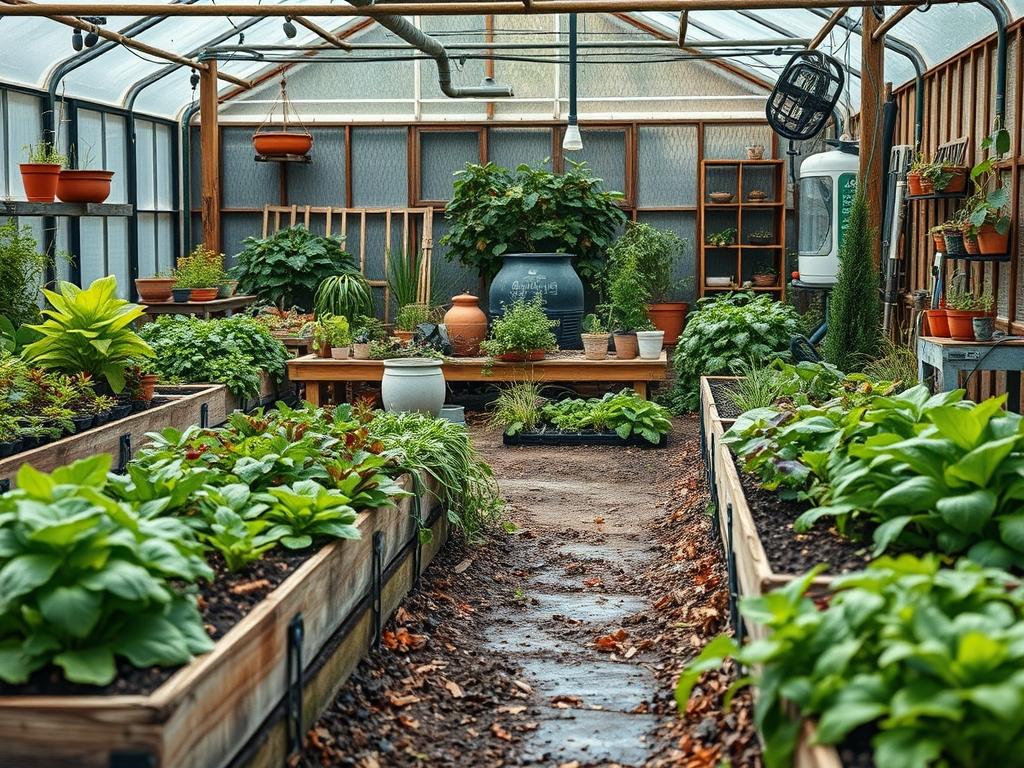
Transforming a dormant backyard into a productive winter landscape requires a fundamental shift in how we perceive the cold season. Many homeowners mistakenly believe that the growing cycle concludes with the first frost, yet for a landscape architect, winter offers a unique opportunity to utilize structural design and thermal management to create a functional, year round environment. Successful backyard winter veggie tips generally focus on more than just seeds; they emphasize the integration of utility and aesthetics. A well designed winter vegetable garden maintains curb appeal by using organized geometries and durable materials, ensuring that the space does not look like a barren patch of mud. Functionality is achieved through strategic placement of crops near the home to minimize travel through harsh weather, while climate considerations dictate the use of windbreaks and heat-retaining structures. By viewing the winter garden as a permanent architectural feature rather than a temporary hobby, you can optimize your outdoor living space for consistent yields even when temperatures drop.
Landscape Design Principles
Effective winter garden architecture relies on the same core principles as high-end ornamental landscaping. Symmetry serves as a primary tool for maintaining visual order when organic growth is slower. By utilizing Cedar Raised Beds arranged in a formal grid, the garden maintains a sense of purpose during the bleakest months. Focal points are equally crucial. A central Stone Birdbath or a well-placed Cold Frame constructed from Double-Walled Polycarbonate can serve as an anchor for the surrounding vegetation. These structures provide visual interest while performing the vital task of protecting sensitive crops from frost heave and heavy snow loads.
Elevation layers play a multi-functional role in the winter garden. In areas with high rainfall, elevating the planting surface by 12 inches to 18 inches improves soil oxygenation and prevents the root rot common in compacted, waterlogged earth. This elevation also creates a tiered aesthetic that adds depth to the backyard. Irrigation planning must also be modified for the cold. While summer gardening relies on overhead misting, winter systems should utilize Drip Irrigation Tape buried beneath a thick layer of mulch. This prevents the freezing of surface lines and delivers water directly to the root zone, where it is less likely to evaporate or turn into ice. Walkways should be constructed from porous materials like Crushed Granite or Permeable Pavers to ensure safe, slip-free access during icy conditions while facilitating site drainage.
Plant and Material Selection
Selecting the right cultivars is only half the battle. You must evaluate these selections based on their architectural contribution and their physiological requirements. The following table outlines the most reliable options for a professional winter garden.
| Plant Type | Sun Exposure | Soil Needs | Water Demand | Growth Speed | Maintenance Level |
| :— | :— | :— | :— | :— | :— |
| Lacinato Kale | Full Sun | High Organic Matter | Moderate | Medium | Low |
| Broad Leaf Spinach | Partial Shade | Well-Drained | Low | Fast | Medium |
| Hardneck Garlic | Full Sun | Sandy Loam | Low | Slow | Very Low |
| Winter Carrots | Full Sun | Deep, Loose Soil | Moderate | Slow | Low |
| Swiss Chard | Full/Partial Sun | Nitrogen Rich | Moderate | Medium | Medium |
| Brussels Sprouts | Full Sun | Firm, Alkaline | High | Slow | High |
The use of Horticultural Fleece and Heavy Grade Burlap acts as a secondary layer of material selection. These items, along with Metal Hoops, are essential for creating microclimates that can be 5 degrees to 10 degrees warmer than the ambient air temperature.
Implementation Strategy
The transition from a conceptual design to a physical winter garden begins with professional grading. Ensuring that the site slopes away from the kitchen garden at a 2 percent grade prevents localized flooding. Once the ground is leveled, the layout should be marked using a Transit Level and High-Visibility String Lines to ensure perfectly square beds. Edging is not merely decorative in a winter context; it acts as a barrier against invasive dormant weeds and helps retain the 4 inch depth of Double-Sredded Hardwood Mulch required for root insulation.
Hardscaping elements, such as Concrete Masonry Units or Natural Stone Retaining Walls, should be installed before the first hard freeze. These materials act as thermal batteries, absorbing solar radiation during the day and radiating warmth back into the soil at night. When placing your beds, always orient the long axis toward the south to maximize sun exposure during the low winter trajectory. If the backyard is prone to high winds, a windbreak constructed from Evergreen Shrubs or Lattice Fencing should be positioned on the north side to reduce the desiccation of foliage.
Common Landscaping Failures
Failure in winter gardening often stems from a lack of foresight regarding drainage and soil physics. Soil compaction is a major deterrent to winter success. If a gardener walks on wet winter soil, they collapse the macropores necessary for air exchange, effectively suffocating the Backyard Winter Veggie Tips they aim to implement. Another frequent error is improper spacing. While it is tempting to crowd plants together for warmth, air circulation remains vital even in winter. Stagnant air combined with high humidity inside Low Tunnels often leads to powdery mildew or gray mold.
Irrigation inefficiencies are also common. Many homeowners turn off their water systems entirely. However, plants still require hydration to survive the drying effects of winter winds. The goal is to keep the soil moist but never saturated. Finally, the misuse of fertilizers can be catastrophic. Applying high-nitrogen liquids in mid-winter can encourage a flush of tender new growth that is immediately killed by the next frost. A professional approach favors slow-release organic amendments incorporated during the autumn preparation phase.
Seasonal Maintenance
Landscape management is a year round commitment that evolves with the sun. In the spring, the focus shifts to soil rejuvenation. As the ground thaws, remove the compacted layers of Straw or Reflective Mulch and aerate the beds using a Broadfork. This allows the soil to warm up faster for early spring plantings. Summer maintenance involves managing the transition from cool-season crops to heat-loving varieties, ensuring that the irrigation transition is seamless and that taller plants like Indeterminate Tomatoes do not shade out the areas designated for autumn sowing.
Autumn is the most critical period for a winter gardener. This is when you must perform your final grading checks and install your Row Covers. It is the time for “curing” the soil with compost and ensuring that all Wooden Raised Beds are treated with food-safe sealants to prevent rot during the damp months. When winter fully arrives, maintenance becomes an exercise in monitoring. You must clear heavy snow from Greenhouse Roofs and Hoop Houses to prevent structural collapse. Regularly check for signs of pest intrusion, as rodents often seek shelter beneath the warmth of garden fabric.
Professional Landscaping FAQ
How do I prevent my winter vegetable soil from freezing solid?
Apply a thick layer of Organic Mulch, at least 3 inches to 4 inches deep. Using Raised Beds also helps, as they allow for better drainage. Drier soil is less prone to the expansion and contraction caused by deep freezes.
Can I use plastic sheeting to protect my winter vegetables?
Plastic should not touch the foliage directly because it transfers cold and traps moisture. Use Metal Hoops to suspend the plastic, or better yet, use Agricultural Row Cover fabric which allows for better gas exchange while retaining heat.
What is the best way to handle drainage in a flat backyard?
Install a French Drain or a specialized Sump System to redirect excess runoff. You can also build Berms or use high-profile Steel Edging to create elevated planting pockets that sit above the natural water table of the yard.
How much sun do winter vegetables actually need?
Most winter crops require a minimum of 6 hours of direct sunlight. Because the sun is lower in the sky, you must ensure that fences, sheds, or evergreen trees do not cast long shadows over your primary growing zones during the day.
Is it necessary to fertilize during the winter months?
Standard fertilization is generally avoided in winter. Instead, focus on building soil health in the autumn with Composted Manure or Worm Castings. These provide a slow release of nutrients that support the plant without forcing dangerous new growth.