
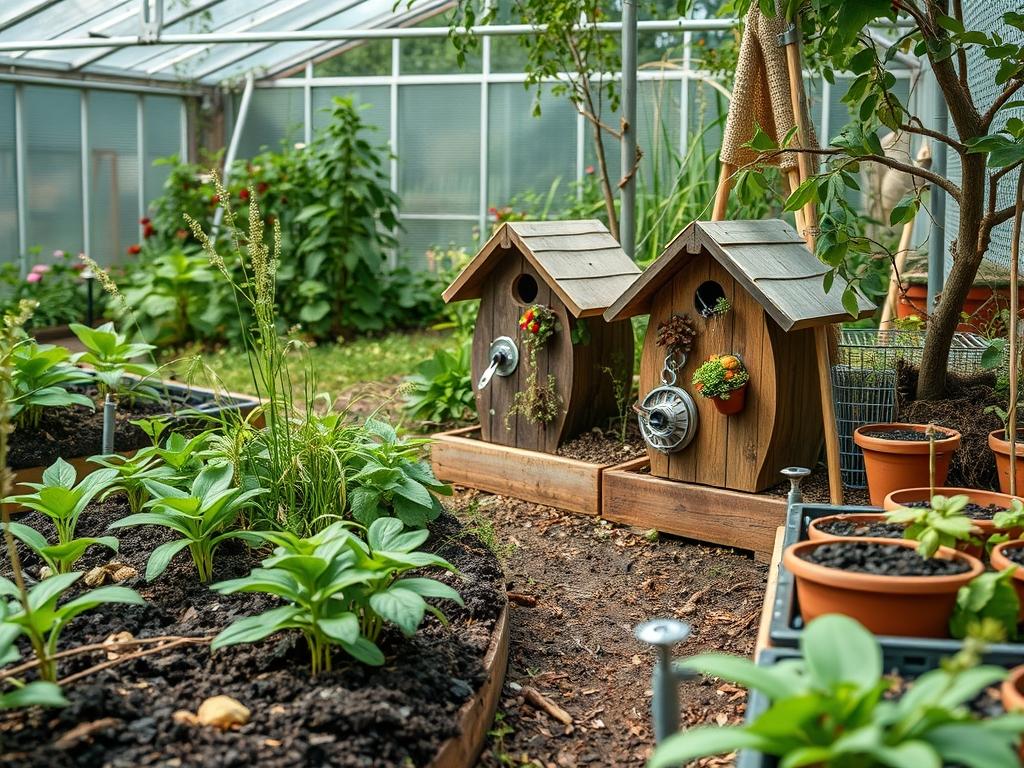
Landscape architecture is often viewed through the lens of human aesthetics, yet modern sustainable design requires us to balance visual appeal with ecological productivity. Integrating Backyard Solitary Bee Hotels into a residential master plan presents a unique challenge for the modern consultant. Unlike honeybees that reside in social colonies, solitary bees are docile, highly efficient pollinators that require specific nesting conditions that can sometimes clash with the manicured look of traditional lawns. To succeed, a designer must treat these structures not as cluttered additions, but as architectural focal points. We must consider the microclimate of the site, ensuring the structure faces the morning sun while remaining protected from prevailing winds. This intersection of function and form allows a garden to thrive while maintaining the high curb appeal expected in professional property management. Properly executed, these habitats serve as functional sculptures that reflect a homeowner’s commitment to biodiversity without sacrificing the refined look of a high-end landscape.
Landscape Design Principles
When planning a layout that incorporates Backyard Solitary Bee Hotels, the primary principle is the integration of focal points and visual balance. A solitary bee habitat should never feel like an afterthought tucked away in a dark corner. From a design perspective, these structures should be elevated on a 3-foot to 5-foot post and positioned at the terminus of a secondary garden path. This creates a sense of discovery while ensuring the bees have a clear flight path. Symmetry can be achieved by flanking the hotel with mid-sized shrubs or architectural plants like Blue Oat Grass, which provides texture without obstructing the entrance.
Elevation layering is equally critical. In professional landscaping, we categorize plantings into groundcover, mid-story, and canopy. To support a bee hotel, the surrounding area should feature a dense mid-story of flowering perennials. This provides a “landing strip” for the bees and softens the vertical line of the hotel post. Irrigation planning must also be precise. While most pollinator plants require consistent moisture, the area directly beneath the bee hotel should be kept dry to prevent fungal growth. Using a French drain or a slightly sloped graded bank can direct excess runoff away from the nesting site. This ensures the structural integrity of the timber and the health of the developing larvae within the nesting tubes.
Plant and Material Selection
The success of a solitary bee habitat depends heavily on the botanical palette within a 300-foot radius. The following table outlines the technical requirements for the most effective companions in a modern landscape.
| Plant Type | Sun Exposure | Soil Needs | Water Demand | Growth Speed | Maintenance Level |
| :— | :— | :— | :— | :— | :— |
| Purple Coneflower | Full Sun | Loamy/Well-drained | Medium | Fast | Moderate |
| English Lavender | Full Sun | Sandy/Gritty | Low | Moderate | Low |
| Wild Bergamot | Full/Partial Sun | Clay/Rich | Medium | Fast | High |
| Goldenrod | Full Sun | Versatile | Low | Fast | Moderate |
| Russian Sage | Full Sun | Dry/Alkaline | Very Low | Fast | Low |
| Paeonia | Full/Partial Sun | Deep/Humus-rich | Medium | Slow | High |
In addition to flora, the materials used for the hotel itself should be selected for durability and safety. Avoid pressure-treated lumber for the nesting block, as the chemicals can be detrimental to the larvae. Instead, opt for Cedar, Redwood, or Douglas Fir. For the nesting cavities, use Hollow Bamboo, Paper Tubes, or Drilled Hardwood Blocks with diameters ranging from 1/8-inch to 1/2-inch.
Implementation Strategy
The implementation of a professional-grade pollinator zone begins with rigorous site preparation. First, conduct a sun map analysis to locate a spot with south or southeast exposure. Once the location is identified, the grading must be checked. If the area is prone to standing water, install a surface drain or a catch basin to protect the wooden structures from rot.
Next, establish the foundation. For a permanent installation, use a post-hole digger to create a hole 24 inches deep. Fill the bottom with 6 inches of crushed stone for drainage, then set a 4×4 Cedar post. Use a Line Level to ensure the post is perfectly vertical before backfilling with concrete or tightly packed soil. Once the post is set, install the bee hotel with Stainless Steel Screws.
With the hardscaping in place, define the garden bed using Steel Edging or Belgium Block. This creates a clean boundary between the pollinator habitat and the turf. Apply a 3-inch layer of hardwood mulch to the bed, but leave a small patch of Bare Soil nearby. Many solitary bees, such as Mason Bees, require the presence of moist clay or mud to seal their nesting chambers. Finally, install your irrigation lines, ideally a Drip Irrigation System that targets the roots of the nearby perennials while keeping the bee hotel itself dry.
Common Landscaping Failures
The most frequent error in residential bee conservation is improper placement relative to irrigation. If a Pop-up Sprinkler Head is aimed too close to the bee hotel, the moisture will enter the nesting tubes, causing the pollen stores to mold and killing the occupants. Designers must ensure all spray patterns are directed away from the structure.
Another common failure is root overcrowding. When planting the surrounding perennials, many gardeners forget to account for the mature width of species like Russian Sage or Butterfly Bush. Overcrowding leads to poor air circulation, which can introduce powdery mildew to the garden. Furthermore, soil compaction is a major deterrent for ground-nesting solitary bees. If the ground around the hotel is heavily compacted by foot traffic or heavy machinery, the bees cannot burrow. We recommend using Flagstone Stepping Stones to designate a path, which prevents wide-scale compaction while still allowing for maintenance access. Finally, the use of broad-spectrum pesticides anywhere on the property can render a bee hotel’s efforts moot; integrated pest management (IPM) is the only viable strategy for a property hosting a pollinator habitat.
Seasonal Maintenance
Landscape management for Backyard Solitary Bee Hotels varies significantly by season. In the spring, the primary task is monitoring emergence. Once the temperatures consistently stay above 55 degrees Fahrenheit, the bees will emerge from their cocoons. This is also the time to prune back any dead flower stalks from the previous year, though we recommend waiting until the bees have emerged, as some species overwinter inside hollow stems.
During the summer, check the hotel for predators such as parasitic wasps or birds. Installing a Chicken Wire Screen roughly 3 inches away from the face of the hotel can prevent birds from eating the larvae. In the autumn, perform a thorough garden cleanup. Apply a fresh layer of Mulch to protect the roots of the perennial bed, and ensure the bee hotel is still secure and hasn’t tilted due to frost heave or soil shifting.
In winter, the nesting tubes should be protected from extreme moisture. If the bee hotel is portable, move it to an unheated garage or garden shed. If it is a permanent fixture, ensure the overhanging roof of the hotel is clear of snow and ice. This is also the best time to order replacement nesting tubes for the following year, as traditional cardboard or paper tubes should be replaced every two years to prevent the buildup of mites and pathogens.
Professional Landscaping FAQ
Where is the best location for a bee hotel?
A southeast-facing orientation is ideal. The structure should receive early morning sunlight to warm the bees for flight but remain protected from heavy rain and prevailing winds. Mounting it 3 to 5 feet off the ground is recommended.
Do I need to clean the bee hotel?
Yes. To avoid mite infestations and disease, replace used paper liners or bamboo tubes every year. If using a permanent wooden block, it must be sanitized with a mild bleach solution or replaced after two seasons of use.
Will these bees sting my family or pets?
Solitary bees are exceptionally docile. Unlike social bees, they do not have a hive to defend. Males lack stinger mechanisms, and females will only sting if they are physically squeezed or handled roughly.
How do I provide mud for Mason Bees?
Maintain a small, dedicated patch of Bare Clay Soil within 50 feet of the bee hotel. Ensure this area stays moist during the spring nesting season so the bees can easily gather material to seal their tubes.
Can I use treated wood for the hotel?
No. Chemicals in pressure-treated wood, such as copper or arsenic derivatives, can be toxic to developing bee larvae. Always use natural, rot-resistant woods like Western Red Cedar or Black Locust for your pollinator structures.