
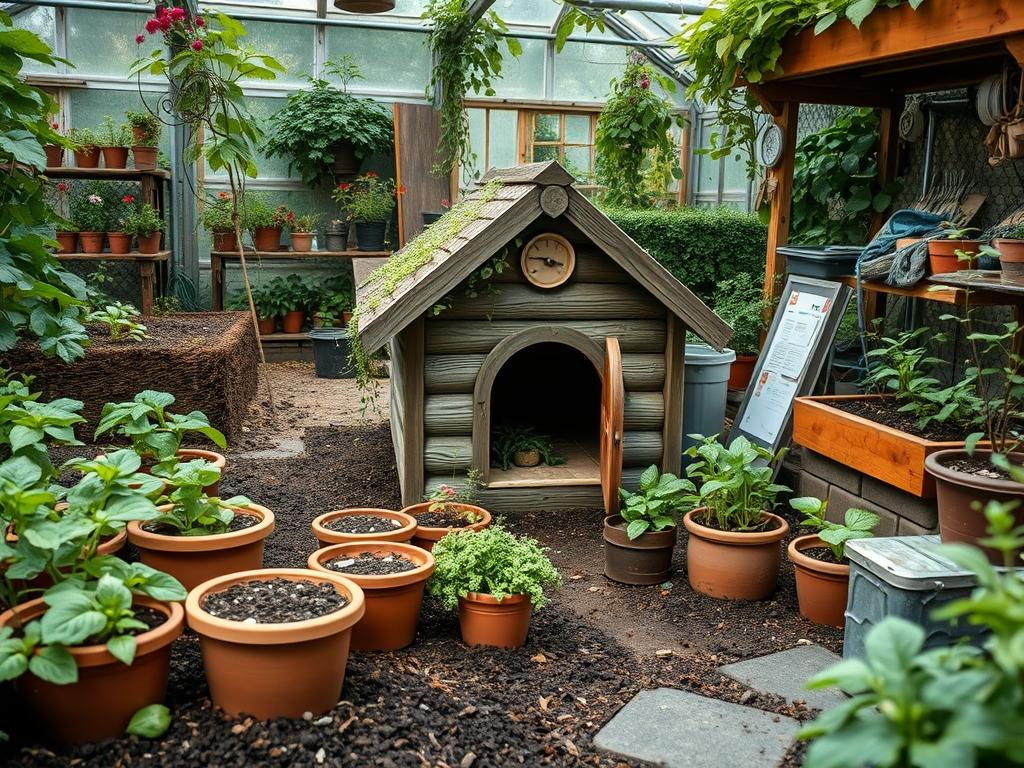
Integrating wildlife habitats into a sophisticated residential landscape requires a balance between aesthetic refinement and ecological utility. The primary challenge for any modern outdoor environment consultant is to incorporate species-specific features, such as a backyard hedgehog house setup, without compromising the clean lines or the curb appeal of the property. When we approach garden planning through the lens of a landscape architect, we look at the yard as a series of interconnected zones. Climate plays a heavy role here. For those in temperate regions, the setup must provide thermal stability during hibernation cycles, while in wetter climates, the priority shifts toward advanced drainage and moisture mitigation. A well-designed habitat should be invisible to the casual observer, tucked into the transitional spaces between curated ornamental beds and naturalistic boundary plantings. By treating the wildlife house as a structural element rather than a garden accessory, we enhance both the functionality of the local ecosystem and the overall market value of the home.
Landscape Design Principles
A professional backyard hedgehog house setup begins with the principle of siting. We must consider the visual weight of the structure and its placement relative to larger focal points. Typically, a habitat should be placed in a secluded, north-facing corner to avoid the intense fluctuations of a southern exposure, which can prematurely rouse animals from hibernation. Symmetry is rarely the goal in wildlife-centric design; instead, we aim for a naturalistic balance. Use a spirit level to ensure the ground is perfectly flat before installation, or slightly graded away from the entrance to prevent water ingress.
Elevation layers are crucial for safety. By surrounding the house with a tiered planting scheme, we create a secure approach for the animals. Lower levels should consist of dense groundcover, while mid-level shrubs provide a canopy that shades the structure and hides it from aerial predators. Irrigation planning is another vital component. Avoid placing the house directly under an active oscillating sprinkler zone. High-pressure irrigation can saturate the nesting materials, leading to hypothermia for the residents. Instead, plan for a drip irrigation system that delivers water to the surrounding roots without impacting the habitat structure itself. Finally, walkways should be designed to bypass the habitat area to minimize human disturbance. Use stepping stones or decomposed granite to define paths that steer foot traffic at least five feet away from the nesting site.
Plant and Material Selection
Effective landscaping relies on selecting materials that provide both structural integrity and biological benefit. The following table outlines optimal selections for a wildlife-friendly perimeter.
| Plant Type | Sun Exposure | Soil Needs | Water Demand | Growth Speed | Maintenance Level |
| :— | :— | :— | :— | :— | :— |
| Miscanthus Sinensis | Full Sun | Well-drained | Moderate | Fast | Low |
| Viburnum Opulus | Partial Shade | Loamy/Moist | Moderate | Medium | Medium |
| Lonicera Periclymenum | Partial Shade | Humus-rich | High | Fast | High |
| Sarcococca Confusa | Deep Shade | Any/Moist | Low | Slow | Low |
| Carex Elata ‘Aurea’ | Partial Sun | Wet/Boggy | High | Medium | Low |
For the structure itself, use FSC-certified cedar or larch for natural rot resistance without the need for toxic chemical treatments. The ground beneath the house should be prepared with a two-inch layer of pea gravel to facilitate drainage, topped with a weed barrier fabric to prevent the growth of invasive roots into the living quarters.
Implementation Strategy
The actual installation of a backyard hedgehog house setup should follow a rigid technical sequence. Start by clearing a three-foot by three-foot area of all turf and debris. If the site is prone to standing water, perform a minor grading operation, creating a slight mound to elevate the house. The foundation should consist of a level base of compacted sand or crushed limestone. This prevents the heavy wooden structure from sinking into the soft soil over time.
Once the base is set, place the house with the entrance facing away from the prevailing winds, usually toward the south or east. Edge the area with natural stone or steel landscape edging to define the wildlife zone and prevent mulch from encroaching on the doorway. Use a high-quality forest floor mulch or pine bark nuggets at a depth of three inches around the perimeter. This helps regulate soil temperature and provides a foraging ground for the invertebrates that hedgehogs eat.
For the “Hedgehog Highway” component, ensure that any perimeter fencing has at least one five-inch by five-inch opening at ground level. This allows for connectivity between neighboring yards. If you are using a retaining wall in your design, incorporate small gaps or a ramped transition to ensure the animals can navigate different elevations without becoming trapped. Hardscaping elements, such as flagstone pavers, can be used to create a small “porch” at the entrance, which keeps the interior clean and dry.
Common Landscaping Failures
The most frequent failure in a backyard hedgehog house setup is poor drainage. If the floor of the house becomes damp, the internal nesting material, usually barley straw or dried leaves, will mold. This can lead to respiratory infections in the animals. Another common error is root overcrowding. Planting vigorous species too close to the house can eventually lead to structural damage as the roots heave the base or the branches block the entrance. Always respect the mature spread of your selected plants.
Soil compaction is another silent killer of a garden’s ecological value. Using heavy machinery during the hardscaping phase can crush the soil structure, making it impossible for worms and beetles to survive. We recommend using aeration tools to loosen the surrounding soil prior to planting. Furthermore, irrigation inefficiencies often result in the over-saturation of the nesting site. If your smart irrigation controller is not calibrated for the microclimate of the wildlife zone, you risk flooding the inhabitant. Avoid the use of slug pellets or high-nitrogen chemical fertilizers within ten feet of the setup, as these can be toxic to both the animals and their natural food sources.
Seasonal Maintenance
Landscape management is a year-round commitment. In the spring, once the residents have vacated the house, perform a deep clean. Remove old nesting material and scrub the interior with a distilled white vinegar solution. Inspect the roof for leaks and ensure the bitumen felt or wooden lid is still watertight. Summer maintenance involves keeping the surrounding vegetation trimmed so it does not obstruct the entry path. During periods of drought, provide constant water in a shallow stone basin, but keep it outside the house.
Autumn is the most critical period for preparation. Supplement the area with additional dry leaf litter and ensure the house is well-insulated by piling extra mulch against the exterior walls, taking care not to block the ventilation holes. In the winter, the area should be a “no-go” zone. Avoid all pruning, leaf blowing, or digging near the backyard hedgehog house setup. Disturbing a hedgehog during the coldest months can be fatal as it forces them to burn through their limited energy reserves.
Professional Landscaping FAQ
Where is the best location for a hedgehog house?
Siting is paramount for success. Place the structure in a quiet, shaded area behind evergreen shrubs. Ensure the entrance faces east or south to avoid cold northern winds. The ground must be level and possess excellent natural drainage to prevent flooding.
What materials provide the best insulation?
Build or buy houses made from thick-cut timber like cedar. Inside, provide a generous amount of dry barley straw or broad-leaved hay. Avoid using blankets or towels, as these can snag on the animals’ quills and retain dangerous levels of moisture.
How do I integrate the house into a modern yard?
Use “hidden-in-plain-sight” tactics. Nest the house within a low-profile garden bed and use ornamental grasses to soften the edges. By matching the wood stain to your decking or fencing, the structure becomes a cohesive part of the architectural palette.
Can I put a hedgehog house near a pond?
Positioning near a water source is beneficial for hydration, but the house must be on higher ground. Ensure the pond has a safety ramp or a shallow pebble beach so any visiting wildlife can exit the water safely if they fall in.
How often should the habitat be cleaned?
Perform maintenance once per year in late March or April. Only clean the house when you are certain it is unoccupied. Use a stiff brush and hot water. Avoid chemical cleaners, as a hedgehog’s sense of smell is extremely sensitive.