
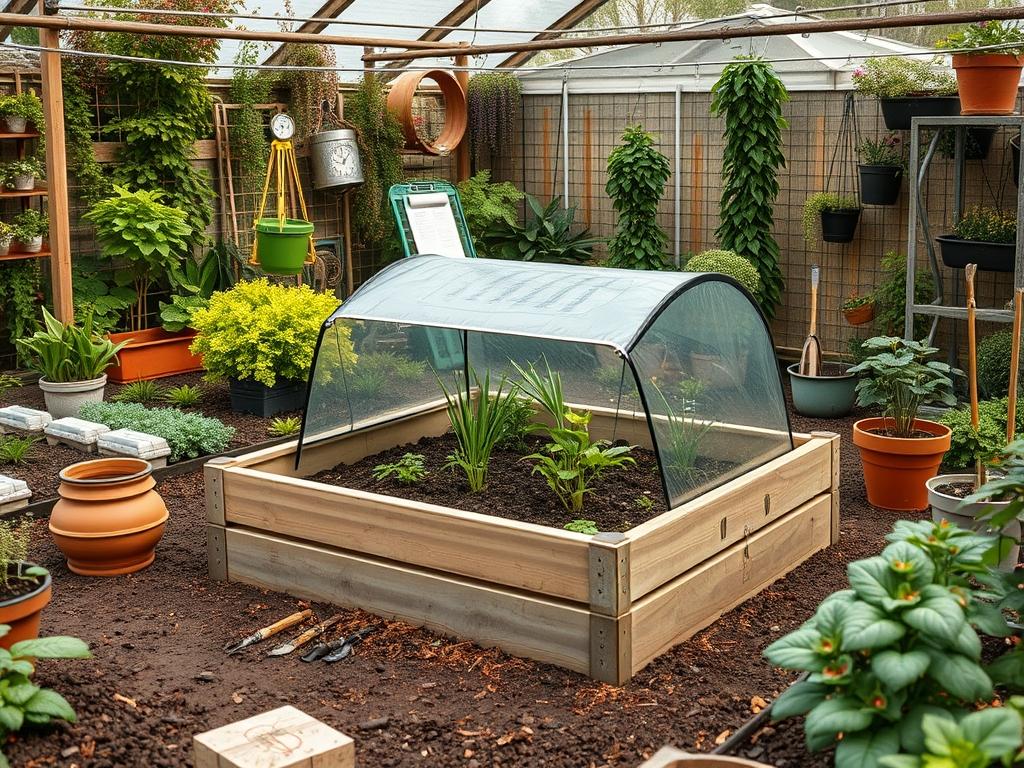
Integrating a play area into a sophisticated residential landscape requires a delicate balance between utility and aesthetic harmony. For many homeowners, the challenge lies in maintaining the pristine look of a curated garden while providing a functional space for children. A sandbox is often the centerpiece of these high-activity zones, yet it frequently becomes a drainage eyesore or a magnet for local wildlife if not managed correctly. Choosing and securing high-quality Backyard Sandbox Covers is a critical step in this process, as these elements protect the play medium from contamination while ensuring the structure blends into the surrounding environment. From an architectural perspective, the sandbox should be viewed as a permanent hardscape feature rather than an afterthought. Proper placement considers sunlight patterns, sightlines from the main dwelling, and the proximity to delicate ornamental beds. By selecting a cover that mirrors the color palette of the deck or the texture of the nearby stone walls, a designer creates a cohesive visual flow that elevates the entire backyard experience.
Effective landscape planning involves more than just selecting flora; it requires an understanding of how micro-environments within a yard interact. Moisture is the primary enemy of a well-maintained sandbox. Without a breathable yet protective barrier, the sand can become a breeding ground for bacteria or an unusable, muddy mess after a single storm. Therefore, the selection of Backyard Sandbox Covers must be based on the specific climatic demands of the region. In high-wind areas, specialized anchoring systems using heavy-duty elastic bungees or weighted perimeter pockets are necessary to prevent the cover from becoming a projectile. In humid climates, mesh covers that allow for airflow while blocking debris are often superior to solid vinyl options that trap moisture against the ground. This attention to detail ensures that the play area remains an asset to the property rather than a maintenance burden that detracts from the overall curb appeal.
Landscape Design Principles
When incorporating a sandbox into a master plan, we utilize the principle of focal points to dictate placement. A play area should be visible for safety but tucked away enough that it does not dominate the view from the primary entertainment space. Symmetry often plays a role here. Framing a rectangular sandbox with balanced plantings can make the structure feel intentional. We often use elevation layers to define these zones. For instance, a sandbox might be sunken into a lawn or raised with a retaining wall made of natural timber or stacked stone. This creates a physical boundary that keeps sand from migrating into the grass, which can damage lawn mower blades and alter soil pH.
Irrigation planning is another vital component of the design phase. A sandbox must be located away from high-flow sprinkler zones to prevent accidental flooding. If the sandbox is positioned on a slope, we must account for runoff. A well-designed landscape will use a combination of French drains and permeable pavers to divert water around the play zone. Walkways leading to the sandbox should consist of materials like flagstone or decomposed granite, which provide a stable path while preventing mud from being tracked back into the house. By treating the sandbox cover as part of the hardscape color scheme, we maintain visual balance, ensuring the play area feels like a natural extension of the outdoor living room.
Plant and Material Selection
The vegetation surrounding a play area must be resilient and non-toxic. Children often interact with the plants nearest their play zones, so we avoid anything with thorns or poisonous berries. The following table provides a guide for selecting plants and materials that complement a sandbox installation.
| Plant Type | Sun Exposure | Soil Needs | Water Demand | Growth Speed | Maintenance Level |
| :— | :— | :— | :— | :— | :— |
| Japanese Forest Grass | Partial Shade | Well-drained | Moderate | Medium | Low |
| Creeping Thyme | Full Sun | Sandy/Dry | Low | Fast | Minimal |
| Dwarf Boxwood | Full Sun/Part Shade | Loamy | Moderate | Slow | Moderate |
| Blue Star Creeper | Full Sun | Moist | Moderate | Fast | Low |
| Switchgrass | Full Sun | Varied | Low | Fast | Annual Cutback |
| Geotextile Fabric | N/A | Sub-base | N/A | N/A | Install Once |
In addition to plants, the choice of the sand and the cover material is vital. We recommend white play sand that has been washed and screened. For the cover, UV-resistant polyethylene mesh is excellent for most temperate zones. If the yard is prone to heavy autumn leaf fall, a solid 600D marine-grade polyester cover provides superior protection. The securing mechanism should be easy for an adult to operate but robust enough to withstand high winds. Stainless steel eyelets and heavy-duty nylon cord are the gold standard for long-term durability in outdoor environments.
Implementation Strategy
Planning the layout begins with professional grading. The site must be perfectly level to prevent the sand from shifting to one side, which puts uneven pressure on the frame and the Backyard Sandbox Covers. Start by excavating the area to a depth of 12 inches. The bottom should be lined with a high-quality landscape fabric to prevent weeds from growing through the sand while still allowing for vertical drainage. On top of this fabric, a 2 inch layer of pea gravel can be added to further enhance drainage efficiency before the sand is poured.
The edging of the sandbox should be constructed from pressure-treated 4×4 timbers or composite decking boards, which offer greater resistance to rot. Once the frame is built, the method for securing the cover must be installed. For wooden frames, screw-in hooks or cleats are the most effective. If the sandbox is a molded plastic variety, ensure the cover has a drawstring closure that can be tightened around the base. We recommend a mulch depth of at least 3 inches around the perimeter of the sandbox to provide a soft landing zone and to keep the framing from coming into direct contact with wet soil. This transition between the sandbox and the lawn should be clearly defined with metal edging to maintain a clean aesthetic line.
Common Landscaping Failures
The most frequent mistake in sandbox management is neglecting the “Swamp Effect.” This occurs when a sandbox is placed at the bottom of a slope without adequate sub-surface drainage, leading to a permanent pool of stagnant water beneath the sand. Another common failure is root overcrowding. Planting large trees like Oaks or Maples too close to a sandbox will eventually lead to roots lifting the frame or puncturing the geotextile liner. Proper spacing is essential; provide at least 8 to 10 feet of clearance from the mature drip line of any major shade tree.
Soil compaction is another issue that designers often overlook. High foot traffic around the sandbox can compress the soil, leading to poor health for the surrounding plants and grass. To mitigate this, we integrate stepping stones or mulched paths to direct traffic. Furthermore, many homeowners choose a cover that is too small. A cover should ideally have an overlap of 4 to 6 inches on all sides to ensure that wind cannot get underneath it and that debris does not slip through the edges. Finally, improper irrigation settings can lead to the sandbox being sprayed daily, which accelerates the degradation of even the best Backyard Sandbox Covers. Ensure that all irrigation nozzles are adjusted to spray away from the play area.
Seasonal Maintenance
Landscape management is a year-round commitment. In the spring, inspect the sandbox frame for any winter damage or wood rot. This is the time to replenish the sand, adding fresh material to replace what was lost to wind or play. Check the tension of your cover’s bungee cords and replace any that have lost their elasticity over the colder months.
Summer maintenance involves checking for pests. If you notice any insects or animal tracks, ensure that the cover is being secured tightly every evening. UV exposure is highest in the summer, so treat any wooden frames with a water-sealing stain and inspect the Backyard Sandbox Covers for thinning or brittle fabric. In the autumn, the primary goal is leaf management. Clear all debris from the top of the cover before it has a chance to decompose and weight down the center. If you live in an area with heavy snow, winterize your sandbox by placing a large beach ball or a plastic bucket in the center under the cover. This creates a tent effect that allows snow and ice to slide off the sides rather than pooling in the middle and stretching the material.
Professional Landscaping FAQ
How do I stop cats from using my sandbox?
The most effective solution is a custom-fitted mesh cover. Use heavy-duty elastic straps to ensure there are no gaps around the edges. This prevents wildlife from accessing the sand while allowing the sun to naturally sanitize the play area.
What is the best base for a sandbox?
Always start with a level, excavated site lined with non-woven geotextile fabric. Adding a thin layer of pea gravel beneath the sand is highly recommended for superior drainage, preventing the sand from becoming waterlogged during the rainy season.
Can I put a sandbox directly on the grass?
It is not recommended. The grass will eventually die, rot, and create an uneven, smelly base. Instead, remove the sod, level the ground, and use a pressure-treated timber frame to contain the sand and protect the surrounding lawn.
How often should I replace the sand?
With a high-quality cover, you should only need to replace the sand every 2 to 3 years. However, you should top it off annually to account for minor loss. If the sand becomes clumpy or smells, replace it immediately.
What cover material lasts the longest?
For durability, choose marine-grade vinyl or solution-dyed polyester. Ensure the fabric is rated for at least 1,000 hours of UV protection. Using stainless steel hardware for the securing points will prevent rust streaks and hardware failure over time.