
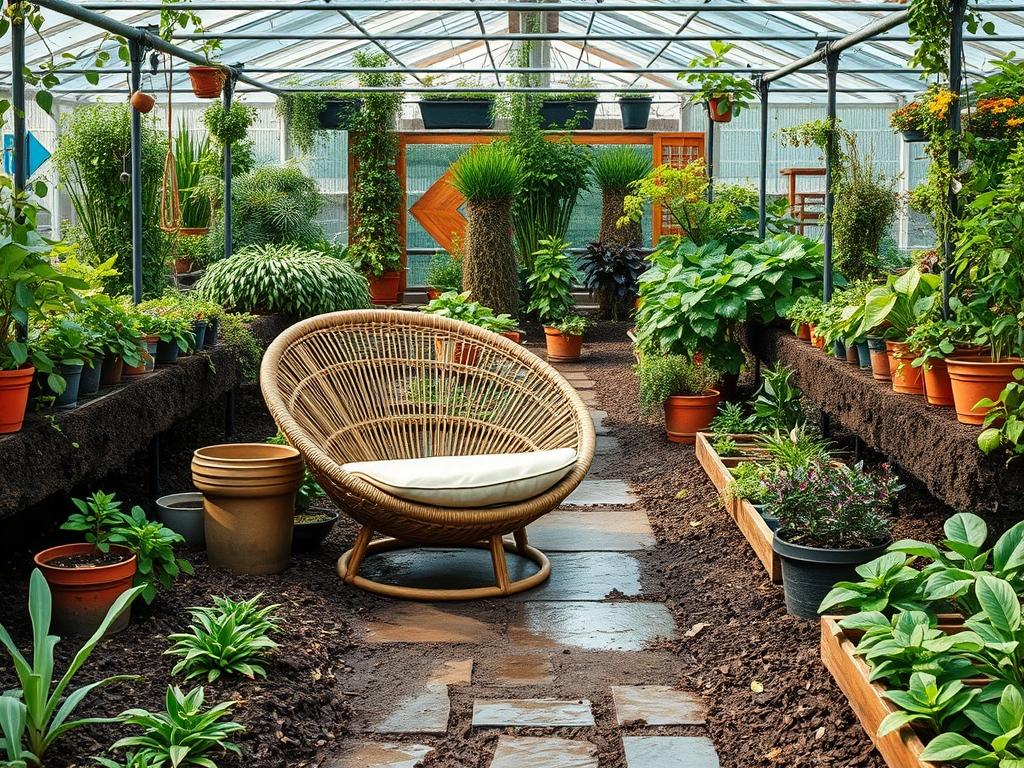
Creating a cohesive outdoor environment requires a balance between architectural structure and organic growth. When a homeowner introduces specific furniture pieces like the backyard papasan chair, the surrounding landscape must act as a visual anchor to prevent the area from looking cluttered or unplanned. The challenge lies in integrating a circular, low profile furniture piece into a setting that often features rigid lines or sprawling greenery. A successful design considers the microclimate of the seating nook, the curb appeal from the primary residence, and the functional demands of high traffic zones. The goal is to transform a simple chair into a destination by using professional landscaping techniques that emphasize comfort, durability, and aesthetic harmony.
Integration begins with site analysis. A backyard papasan chair is frequently used for relaxation, meaning its placement should be governed by sunlight patterns and wind protection. If the chair is placed on a hilltop with high exposure, the lack of a windbreak can make the experience unpleasant; conversely, a chair tucked into a dark, damp corner will suffer from mold and local insect populations. We must design for a “nesting” effect where the furniture feels protected by the environment. This is achieved through careful elevation changes and the layering of plant heights to create a sense of enclosure. By focusing on the intersection of furniture geometry and botanical texture, we ensure that the outdoor living space becomes a seamless extension of the interior home design.
Landscape Design Principles
Professional landscaping relies on several core principles to create a balanced environment. Symmetry is one of the most effective tools when styling around a circular chair. Because the papasan chair is inherently symmetrical, placing it within a radial garden bed or centered between two identical boxwood shrubs creates an immediate sense of order. Alternatively, if a formal look is not desired, we use asymmetrical balance where a tall Japanese Maple on one side is balanced by a cluster of lower ornamental grasses and a small stone boulder on the other.
Focal points are essential for directing the eye. The chair itself often serves as the secondary focal point, while a primary architectural element like a limestone fountain or a steel fire pit provides the main visual draw. Elevation layers add depth to the backyard. By installing a raised cedar planter box or using a slight 2-foot retaining wall, we can situate the chair at a different grade than the rest of the lawn. This separation of space signals to the brain that the seating area is a distinct “room” with its own purpose.
Walkways and circulation paths are the veins of the landscape. A path of irregular flagstone or decomposed granite leading to the papasan chair prevents the grass from being trampled and provides a stable surface for the furniture legs. These paths should curve gently rather than moving in sharp 90-degree angles, echoing the rounded edges of the chair. Visual balance is further maintained by ensuring the scale of the plants matches the scale of the furniture. A massive white oak might dwarf a single chair, whereas a medium sized clumping bamboo provides the necessary verticality without overwhelming the space.
Plant and Material Selection
The materials surrounding your seating area must be durable enough to withstand the elements while providing a soft, inviting atmosphere. Below is a selection of plants and materials ideal for framing a backyard papasan chair.
| Plant Type | Sun Exposure | Soil Needs | Water Demand | Growth Speed | Maintenance Level |
| :— | :— | :— | :— | :— | :— |
| Blue Oat Grass | Full Sun | Well-drained | Low | Moderate | Low |
| Dwarf Hinoki Cypress | Part Shade | Loamy/Acidic | Medium | Slow | Moderate |
| Creeping Mazus | Sun/Part Shade | Moist/Rich | High | Fast | Low |
| Lavender | Full Sun | Gritty/Sandy | Low | Moderate | Low |
| Leatherleaf Fern | Full Shade | Compost-rich | High | Moderate | Low |
| Hydrangea Quercifolia | Part Sun | Well-drained | Medium | Moderate | Moderate |
When selecting hardscape materials, consider the base of the chair. If the chair features a rattan or bamboo frame, it should never sit directly on damp soil or grass. A base of multi-tonal river rock or pea gravel allows for maximum drainage. For more permanent installations, paver stones or a poured concrete pad with a broom finish provide a level surface that prevents the bowl of the chair from shifting as the user moves.
Implementation Strategy
Planning the layout requires a step by step approach to ensure longevity. First, the area must be cleared of existing turf and debris. We recommend a flat head spade for carving out the perimeter of the new seating nook. Once the area is cleared, grading is the most critical step. The ground must be leveled with a 3-percent slope away from any structures or foundations to ensure that rainwater does not pool under the furniture.
After grading, install a high quality non-woven geotextile fabric to serve as a weed barrier. This is topped with a 2-inch layer of crushed limestone or 3/4-inch minus gravel, which is then compacted using a plate compactor or a hand tamper. This provides a rigid, porous foundation for the chair. If you are using mulch, ensure a 3-inch depth of double-shredded hardwood mulch to retain moisture for surrounding plants while suppressing weed growth.
For the edging, 1/8-inch thick steel edging or tumbled brick provides a clean line between the seating area and the lawn. This prevents the gravel from migrating into the grass and vice versa. When planting, always dig holes that are twice the width of the root ball to allow for quick establishment in the new soil. Finishing the installation with a drip irrigation system ensures that the plants remain vibrant without spraying the chair cushions with water, which can lead to mildew.
Common Landscaping Failures
One of the most frequent mistakes in backyard planning is ignoring drainage. When a seating area is carved into a slope without a French drain or a proper swale, it becomes a collection point for runoff. This leads to soil saturation, which can rot the legs of a papasan chair or cause the legs to sink unevenly into the mud. Constant moisture also attracts mosquitoes, ruining the utility of the outdoor space.
Root overcrowding is another common issue. Homeowners often plant fast growing species too close to the furniture pad. Within two seasons, the roots can heave the paver stones, creating a tripping hazard and unleveling the chair. Proper spacing is dictated by the mature width of the plant. If a plant has a 5-foot spread at maturity, it should be planted at least 3 feet away from the edge of the hardscape.
Finally, soil compaction often goes overlooked. In high traffic areas around a favorite chair, the soil becomes packed down, preventing air and water from reaching plant roots. This results in “dead zones” where even the heartiest grass will not grow. To avoid this, use defined walkways and avoid over-planting in the immediate path of the chair.
Seasonal Maintenance
Landscape management changes with the calendar. In the spring, the focus is on renewal. This is the time to apply a slow-release fertilizer and fresh mulch. Inspect the hardscape for any shifting that occurred during the winter thaw and use a level to ensure the chair base is still steady. If the chair has a powder-coated steel frame, wipe it down with a microfiber cloth to remove pollen and dust.
During the summer, irrigation is the priority. Check the emitters on your drip system to ensure they are not clogged. If the weather is exceptionally dry, more frequent watering for shallow-rooted plants like creeping thyme will be necessary. Summer is also the time for deadheading flowers to encourage a second bloom cycle.
Autumn requires a cleanup of organic matter. Leaves should be removed from the seating area promptly; if left to rot on a gravel or stone base, they turn into organic soil that allows weeds to take root. This is also the standard time to prune any deciduous shrubs that have grown too close to the chair.
Winter is about protection. If the papasan chair is not designed for year-round exposure, it should be moved to a shed or covered with a heavy-duty vinyl furniture cover. For the landscape, ensure that evergreen plants are hydrated before the ground freezes, as the winter wind can cause desiccation.
Professional Landscaping FAQ
How do I prevent my papasan chair from blowing away?
Use earth anchors or weighted sandbags hidden inside the chair frame base. Alternatively, choose a heavy wrought iron style. Integrating the chair into a recessed area protected by a retaining wall also significantly reduces wind lift.
What is the best ground cover for under furniture?
Crushed granite or pea gravel is superior to grass. These materials provide a level surface, allow for rapid drainage, and require zero sunlight. This prevents the “dead patch” of grass that occurs under large furniture legs.
Can I put a papasan chair on a wood deck?
Yes, but use a polypropylene outdoor rug underneath the base. This prevents the metal or wicker frame from scratching the cedar or composite decking. It also defines the seating zone and adds a layer of comfort.
How do I stop pests from nesting in the chair?
Keep the surrounding plants trimmed so they do not touch the chair. Use aromatic herbs like rosemary or lavender in the nearby landscape, as these acts as natural deterrents for many common backyard insects.
Is it better to use real or synthetic wicker?
For outdoor use, UV-resistant synthetic resin wicker is far more durable than natural rattan. It resists cracking in the sun and does not absorb moisture, preventing the mold and rot that can occur in humid climates.