
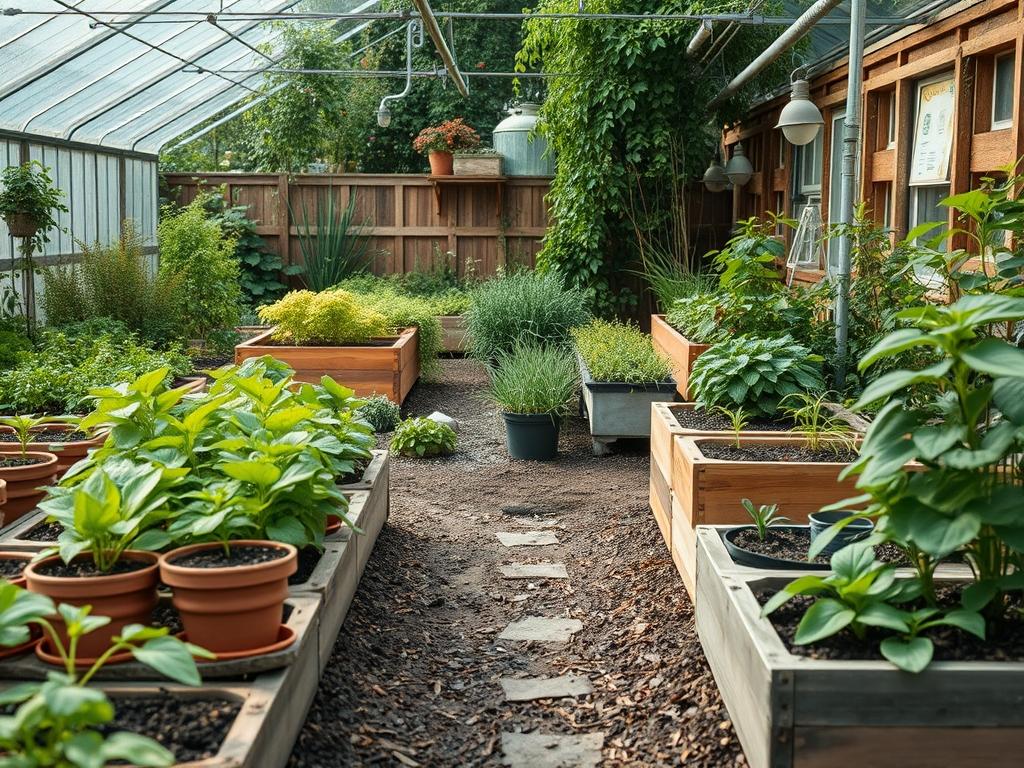
Designing a functional outdoor living space requires more than just aesthetic consideration; it demands an understanding of microclimates and fluid dynamics. Homeowners often struggle with backyards that feel like stagnant heat traps during the peak of summer, primarily because the layout restricts moving air. A well-conceived backyard layout for airflow does not happen by accident. It is the result of strategic positioning of hardscapes, vegetation, and elevation changes to harness natural breezes. By prioritizing cooling through design, you improve the functionality of the home while simultaneously boosting curb appeal and property value. Professional landscaping is an investment in the atmospheric quality of your immediate environment, ensuring that your patio or deck remains a sanctuary rather than a furnace.
The primary challenge in modern residential design is the prevalence of solid barriers. Privacy fences and dense, low-growing hedges often act as walls that stop air cold, leading to localized heat islands. To combat this, a landscape architect looks at the property as a series of channels and filters. By understanding the prevailing wind directions in your specific region, you can orient walkways and planting beds to act as intake valves for the yard. This approach considers how air enters the space, how it circulates around seating areas, and where it exits. Effective cooling also relies heavily on the process of evapotranspiration, where plants release moisture into the air. When air moves through a lush, well-hydrated garden, the temperature can drop significantly compared to a dry, paved lot.
Landscape Design Principles
Symmetry and visual balance are foundational, but in a cooling-focused layout, they must serve the flow of air. Creating a focal point, such as a large Deciduous tree or a water feature, provides a natural anchor for the wind. High-canopy trees are essential because they provide shade while keeping the area between the ground and the lowest branches open for cross-ventilation. This is often referred to as a wind window. If you clog this vertical space with mid-sized shrubs, you lose the cooling effect regardless of how much shade you have.
Elevation layers play a critical role in directing air. Utilizing Retaining walls made of natural stone or Modular concrete blocks can help terrace a sloped yard, creating different pressure zones that encourage air movement. When air hits a vertical change in elevation, it creates a slight turbulence that can prevent stagnant pockets. Furthermore, irrigation planning should be integrated into the layout from the start. A well-placed Drip irrigation system ensures that plants remain healthy enough to contribute to the cooling cycle through transpiration without wasting water on hard surfaces that reflect heat.
Walkways should be more than just paths; they should be cooling corridors. Using Permeable pavers or Crushed stone instead of solid poured concrete allows the ground to breathe and reduces the albedo effect, which is the reflection of solar radiation. Visual balance is achieved by pairing these hard, functional elements with soft, flowing grasses that move visibly in the breeze. This creates a psychological cooling effect while physically allowing air to pass through the fine blades of the plants.
Plant and Material Selection
Selecting the right biological and structural components is vital for temperature regulation. The following table outlines several species that work well in a layout designed for airflow, emphasizing those that provide canopy height or airy textures.
| Plant Type | Sun Exposure | Soil Needs | Water Demand | Growth Speed | Maintenance Level |
| :— | :— | :— | :— | :— | :— |
| Betula nigra (River Birch) | Full to Part Sun | Moist, Acidic | High | Fast | Moderate |
| Gleditsia triacanthos (Honey Locust) | Full Sun | Adaptable | Low to Moderate | Fast | Low |
| Miscanthus sinensis (Maiden Grass) | Full Sun | Well-drained | Moderate | Fast | Low |
| Cercis canadensis (Eastern Redbud) | Part Shade | Well-drained | Moderate | Medium | Moderate |
| Taxodium distichum (Bald Cypress) | Full Sun | Wet to Average | High | Fast | Low |
Materials also dictate the heat retention of your yard. Opt for Lighter colored flagstone or Light gray pavers to keep surface temperatures down. For mulching, avoid rubber or dark-dyed wood chips, which absorb and hold thermal energy. Instead, utilize Natural cedar mulch or Pine bark nuggets spread to a depth of at least 3 inches to insulate the soil and keep root systems cool.
Implementation Strategy
The first step in executing your plan is a comprehensive site analysis. Use a Compass to determine the direction of prevailing summer winds and a Laser level to map out the grading of the land. Accurate grading is essential; the ground should slope away from your home at a minimum of a 2 percent grade to ensure proper drainage. Once the skeleton of the yard is marked, begin by installing the heavy hardscape elements. Retaining walls should be reinforced with Crushed gravel and Perforated PVC drainage pipes behind the wall to prevent hydrostatic pressure buildup.
After the hardscape is set, focus on edging to define the planting beds. High-quality Steel or heavy-duty plastic edging prevents grass from encroaching on the cooling corridors and keeps mulch contained. When planting, prioritize the “high-low” strategy. Place tall, airy trees like the Honey Locust to provide high shade, and keep the mid-level clear. Use low-lying groundcovers or ornamental grasses at the base. This keeps the space between 2 feet and 8 feet off the ground open for wind to move through.
Ensure that your mulch depth is consistent. A layer of 3 inches is the industry standard for moisture retention and weed suppression. If the soil is particularly heavy or clay-based, incorporate Organic compost and Perlite to improve aeration at the root level. Finally, install your irrigation. A smart Irrigation controller with weather sensing capabilities will ensure your plants are hydrated during heat waves, maximizing their cooling potential through leaf evaporation.
Common Landscaping Failures
One of the most frequent mistakes is improper drainage management. When water pools near the foundation or in the center of the lawn, it creates humidity that makes the air feel heavier and warmer. Failure to account for the “sump” effect in low spots can lead to soil compaction and root rot. Always use a Transit level to verify that your pathways and lawns are correctly pitched toward a French drain or a designated rain garden.
Root overcrowding is another silent killer of backyard airflow. Homeowners often plant for “instant privacy,” placing trees too close together. As these trees mature, their canopies entwine and block all air movement, creating a stagnant zone beneath. Always research the mature width of a species and space them accordingly, usually at least 10 to 15 feet apart for mid-sized trees. Furthermore, irrigation inefficiencies, such as over-spraying on hard surfaces, do nothing for cooling and lead to fungal issues on foliage.
Finally, soil compaction often goes unnoticed until the lawn begins to die. Heavy foot traffic or construction equipment can squeeze the air out of the soil. Compacted soil does not hold water well and radiates heat more than loose, healthy earth. Regular use of a Core aerator can mitigate this, ensuring that the ground remains a living, cooling component of your landscape.
Seasonal Maintenance
Landscape management is a year-round commitment that changes with the tilt of the earth. In the spring, the focus should be on rejuvenation. Apply a fresh layer of Bark mulch and use a Pre-emergent herbicide to prevent weeds from choking your airflow channels. This is also the time to test your irrigation system for leaks or clogged nozzles.
Summer maintenance is primarily about hydration and observation. During extreme heat, even native plants may need supplemental deep watering. Avoid pruning during the hottest weeks, as this stresses the plants and reduces the leaf surface area available for cooling transpiration. Instead, focus on deadheading flowers to encourage continued growth.
Autumn is the season for structural adjustments. This is the best time to plant new trees or shrubs, giving them the winter to establish roots. Core aeration of the turf and the application of a Late-season fertilizer help the lawn recover from summer heat stress. It is also important to clear debris from Drainage grates and Gutters to prepare for winter rains.
Winter is the time for “dormant pruning.” With the leaves gone, you can clearly see the structure of your trees. Remove any crossing branches or those that have grown too low, effectively “limbing up” your trees to reopen those vital wind windows for the following summer. Using a Bypass lopper and a Pruning saw, ensure all cuts are clean to prevent disease.
Professional Landscaping FAQ
How can I create privacy without blocking the wind?
Instead of solid wood fences, use Lattice panels or Horizontal slat fencing with small gaps. This breaks the line of sight while allowing air to filter through the structure, maintaining a steady breeze across your patio.
What is the best way to cool a concrete patio?
Apply a Heat-reflective coating or use Outdoor rugs made of light-colored natural fibers. Additionally, placing large potted plants like Ferns around the perimeter can introduce moisture into the air through transpiration, cooling the immediate area.
Does a water feature actually cool the air?
Yes, it utilizes evaporative cooling. A fountain or waterfall that breaks the water surface increases the surface area for evaporation. When air passes over the moving water, it can drop the temperature of the immediate area by several degrees.
How do I stop my mulch from washing away?
Use Shredded hardwood mulch rather than large chips, as the fibers interlock to stay in place. For sloped areas, installing Jute netting or Landscape fabric beneath the mulch can provide additional grip and stability during heavy rains.
Why is my backyard always hotter than the front?
This is often due to “heat trapping” by the house and solid boundary walls. Backyards frequently have more hardscaping and less airflow. Increasing the vertical height of your tree canopy will help draw cooler air down into the space.