
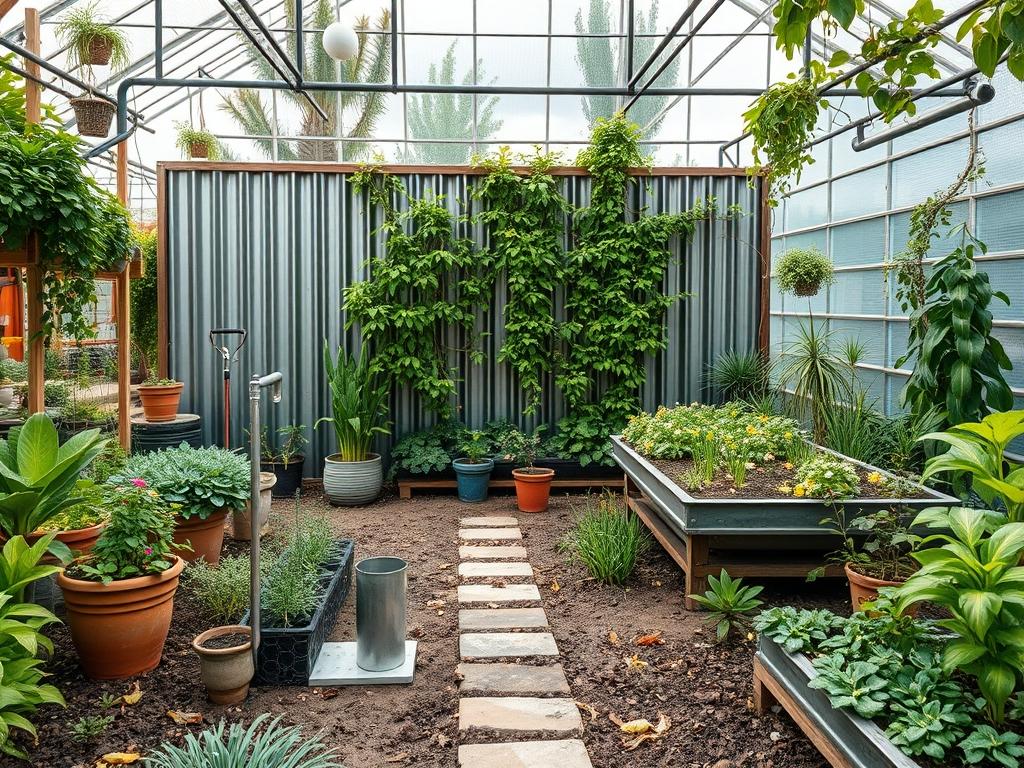
Integrating architectural elements into a residential landscape requires a delicate balance between structural rigidity and organic softness. Modern Backyard Metal Screen Panels have emerged as a premier solution for homeowners seeking to define outdoor rooms, mask unsightly utilities, or establish privacy without the claustrophobic effect of solid masonry walls. Unlike traditional timber fencing, these panels offer various degrees of transparency through laser cut patterns, allowing light and airflow to permeate the garden. When a landscape architect approaches a site, the primary challenge involves anchoring these metallic features so they feel integrated rather than imposed. This requires a deep understanding of site orientation, wind loads, and the way light interacts with various finishes like Corten steel or powder-coated aluminum. Improving curb appeal and functionality depends on how these panels transition into the living landscape, serving as both a sculptural focal point and a functional barrier.
Landscape Design Principles
Successful integration of Backyard Metal Screen Panels begins with the principle of visual balance. Because metal is a heavy, man-made material, it must be balanced by appropriate “green volume.” Symmetry plays a vital role here; placing panels in a staggered or rhythmic sequence can create a sense of movement along a walkway. Designers often use these screens to establish a focal point at the end of a visual axis, drawing the eye toward a specific area of the garden. By layering the elevation, you can place shorter shrubs in front of the panels and taller trees behind them, creating a tiered effect that softens the transition from the hardscape to the property line.
Elevation changes also dictate how panels should be installed. On a sloped site, a “stepped” installation is often more aesthetically pleasing than a “sloped” installation. This allows the panels to maintain their geometric integrity while following the natural contours of the land. Irrigation planning is another critical design layer. Because metal panels can reflect heat, moisture levels in the soil immediately adjacent to the screens may evaporate faster. Designers must adjust the drip irrigation schedule or the placement of emitters to compensate for this localized microclimate. Finally, visual balance is achieved by selecting a pattern that complements the architecture of the home. A geometric, linear pattern suits a mid-century modern aesthetic, while organic, leaf-like patterns blend better with traditional or cottage-style gardens.
Plant and Material Selection
The choice of vegetation surrounding Backyard Metal Screen Panels is paramount, as the metal provides a stark backdrop that highlights the silhouette of every leaf and branch. You must select plants that can withstand the heat signature of the metal during peak summer months.
| Plant Type | Sun Exposure | Soil Needs | Water Demand | Growth Speed | Maintenance Level |
| :— | :— | :— | :— | :— | :— |
| Blue Oat Grass | Full Sun | Well-Drained | Low | Moderate | Low |
| Japanese Maple | Partial Shade | Acidic/Rich | Medium | Slow | Medium |
| Star Jasmine | Full to Part Sun | Loamy/Standard | Medium | Fast | High (Pruning) |
| Foxtail Fern | Partial Shade | Sandy/Loam | Medium | Moderate | Low |
| Agave Americana | Full Sun | Sandy/Rocky | Very Low | Slow | Low |
| Bamboo (Clumping) | Full to Part Sun | Moist/Rich | High | Very Fast | High |
Selecting the right materials for the panels themselves is equally important. Weathering steel, commonly known as Corten, develops a protective layer of rust over time, offering an earthy palette that pairs beautifully with Ornamental Grasses. For a cleaner, more contemporary look, 6061 Aluminum with a matte black or charcoal powder coat provides a high-contrast finish that makes the vibrant greens of Boxwood or Privet pop.
Implementation Strategy
The implementation of a professional backyard layout begins with a precise site survey. Use a string line and marking paint to plot the exact location of the panels. Once the layout is confirmed, the first physical step is grading. Ensure the ground slopes away from the panel footings at a rate of at least two percent to prevent water from pooling at the base. For the structural supports, use a gas-powered auger to dig post holes at least 24 to 36 inches deep, depending on the local frost line and wind load requirements.
Fill the base of each hole with 4 inches of 3/4-inch crushed stone for drainage before setting your steel posts or pressure-treated timber in high-strength concrete. Use a level to ensure vertical accuracy on two planes. While the concrete cures, focus on the surrounding hardscape. Install a heavy-duty landscape fabric in the planting beds to suppress weeds, followed by a 3-inch layer of hardwood mulch or river rock. Edging is essential for a clean finish; use aluminum edging or steel bender board to create a sharp line between the turf and the area surrounding the screens. This not only looks professional but also prevents grass from creeping into the structural base of the panels.
Common Landscaping Failures
One of the most frequent mistakes in installing Backyard Metal Screen Panels is overlooking the impact of wind. A large, solid-patterned panel acts as a sail; if the footings are not deep enough or the gauge of the metal is too thin, the structure may lean or buckle during a storm. For panels with less than 40 percent open space, engineering the posts to handle significant lateral pressure is non-negotiable. Another common failure is improper drainage. If water is allowed to sit at the base of a metal panel, it can lead to premature corrosion, even with treated materials.
Soil compaction during the construction phase often goes unaddressed. When heavy equipment or constant foot traffic packs the soil down, it destroys the pore space required for root respiration. Before planting, use a garden fork or tiller to loosen the soil and incorporate organic compost. Furthermore, improper spacing is a recurring issue. Homeowners often plant clumping bamboo or aggressive vines too close to the panels. Over time, the root pressure or the weight of the foliage can distort the metal or hide the very architectural patterns you paid to showcase. Always allow at least 12 to 18 inches of clearance between the panel face and the base of the plant.
Seasonal Maintenance
Maintaining a landscape that features metal elements requires a quarterly schedule. In the spring, inspect all hardware, including stainless steel bolts and brackets, to ensure they have not loosened during the winter freeze-thaw cycles. Clean the panels using a mild dish soap and a soft-bristle brush to remove salt spray, pollen, and dust. This is also the time to apply a fresh layer of mulch to retain moisture as temperatures rise.
Summer maintenance focuses on irrigation and pruning. Check that your drip lines are not clogged and that the heat reflecting off the metal is not scorching the leaves of nearby plants. In autumn, clear fallen leaves from the base of the panels. Trapped organic matter can hold moisture against the metal, accelerating oxidation. If you have Corten steel, you may notice some runoff staining on the ground; use a stiff brush to clean any stone or concrete surfaces. During winter, ensure that any snow piles are kept away from the panels. While the panels are designed for outdoor use, the chemicals in ice-melt products can be highly corrosive to powder coatings and should be avoided in the immediate vicinity.
Professional Landscaping FAQ
What is the best material for backyard metal screen panels?
Powder-coated aluminum is generally best for longevity and low maintenance. It is rust-proof and lightweight. However, Corten steel is preferred for an industrial or rustic aesthetic, though it may stain surrounding concrete during its initial weathering phase.
How deep should the footings be for a 6-foot metal screen?
For a standard 6-foot panel, footings should be at least 24 to 30 inches deep. In areas with high winds or soft soil, go deeper. Use a post-hole digger and secure the posts with 80-lb bags of concrete.
Do metal screen panels provide actual privacy?
Privacy depends on the “open area” percentage of the laser-cut pattern. A pattern with 20% to 30% open space provides excellent visual screening while still allowing airflow. Patterns with over 50% open space are primarily decorative and offer less seclusion.
Will the metal panels get too hot for my plants?
Darker panels, like those in black or charcoal, absorb more heat. You should select heat-tolerant plants like Agave or Succulents for the area immediately adjacent. Alternatively, leave a gap of 18 inches between the metal and the foliage.
How do I prevent the panels from vibrating in the wind?
Ensure the panels are secured at multiple points to a rigid frame. Using rubber washers between the panel and the post can dampen vibrations. For large installations, choose patterns with more cutouts to allow wind to pass through easily.