
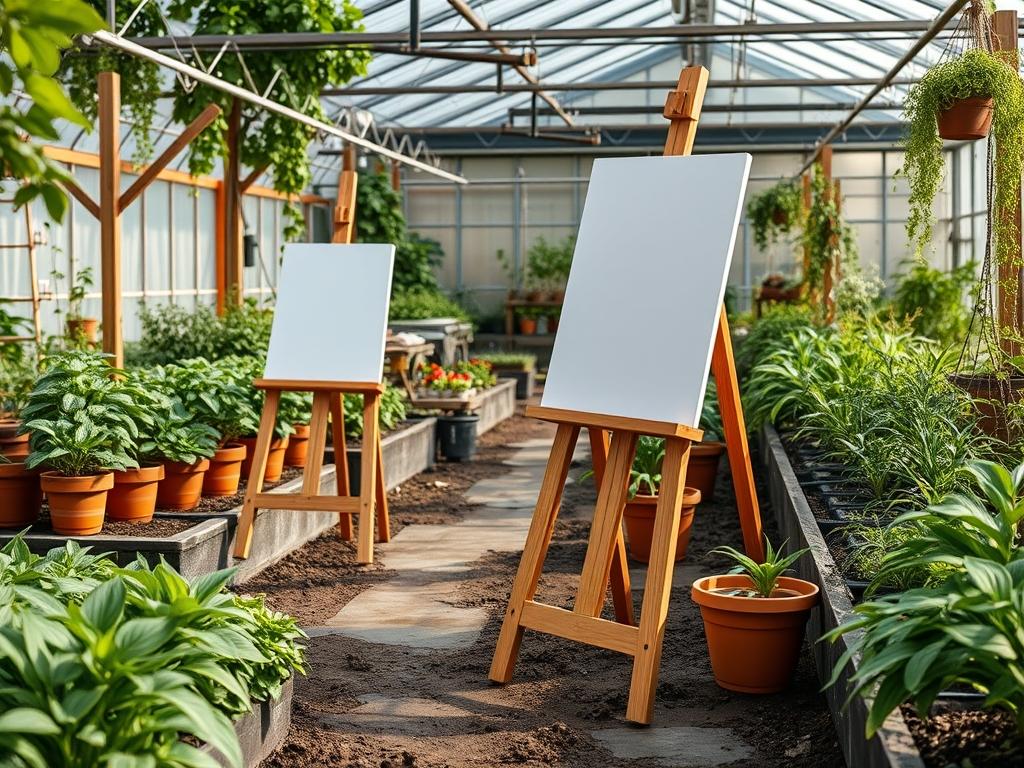
Integrating a permanent installation like a backyard outdoor art easel into a residential landscape requires a sophisticated balance of aesthetic appeal and high-level functionality. Most homeowners view play structures as temporary clutter, yet a well-designed art station functions as a sculptural element that enhances the utility of a garden. The primary challenge involves selecting a location that offers consistent, filtered light while ensuring the structure does not disrupt the visual flow of the existing site plan. Climate considerations are paramount; a station located in a high-humidity environment or an area prone to heavy seasonal rainfall must be engineered to prevent wood rot and soil erosion. From an architectural perspective, the easel should be treated as a destination point within the yard, anchored by thoughtful hardscaping and intentional plant selections. By aligning the easel with the overall garden geometry, we can transform a simple children’s activity area into a professional-grade outdoor studio that adds significant value to the property.
Landscape Design Principles
Successful integration of a backyard outdoor art easel begins with the principle of focal points. Every balanced landscape needs a hierarchy of visual interest; placing an easel at the end of a meandering path or within a dedicated “secret garden” creates an enticing destination. Symmetry can be utilized in formal gardens by flanking the easel with structured shrubs, or an asymmetrical approach can be adopted for a more naturalistic, woodland aesthetic. We must also consider elevation layers. An easel set on a slightly raised pressure-treated timber platform or a small flagstone patio prevents the site from feeling flat and provides a clear boundary for play.
Visual balance is achieved when the scale of the easel matches the surrounding vegetation. A towering ten-foot easel would overwhelm a small patch of flowers, while a tiny station might get lost against a massive retaining wall. Sightlines are equally critical; parents often require a clear line of vision from the kitchen window or the main outdoor seating area. This necessitates a strategic planting plan that uses low-growing perennials or airy ornamental grasses that do not obstruct the view. Furthermore, irrigation planning must ensure that the art station is not positioned directly in the path of a high-pressure sprinkler head, which would lead to the premature degradation of art materials and the structure itself.
Plant and Material Selection
The materials selected for both the easel and its surrounding environment must be durable and non-toxic. For the structure, Western Red Cedar or Grade A Redwood are the preferred choices due to their natural resistance to pests and decay. The hardware should consist of 304-grade stainless steel or hot-dipped galvanized steel to prevent rust staining on the wood. The ground cover surrounding the easel should be resilient to frequent foot traffic.
| Plant Type | Sun Exposure | Soil Needs | Water Demand | Growth Speed | Maintenance Level |
| :— | :— | :— | :— | :— | :— |
| Creeping Thyme | Full Sun | Well-drained | Low | Medium | High (Trimming) |
| Dwarf Mondo Grass | Partial Shade | Loamy/Moist | Moderate | Slow | Very Low |
| Blue Star Creeper | Full/Part Sun | Neutral pH | Moderate | Fast | Medium |
| Switchgrass | Full Sun | Versatile | Low | Fast | Low (Cut back annually) |
| Lavender | Full Sun | Sandy/Alkaline | Low | Medium | Moderate |
| Liriope Muscari | Shade/Sun | Any | Moderate | Fast | Low |
For the easel surface, a 1/4-inch thick polycarbonate sheet or a porcelain-on-steel chalkboard panel provides the most longevity in varying weather conditions. Avoid using standard plywood, as it will delaminate within a single season regardless of the sealant used.
Implementation Strategy
The implementation of a backyard outdoor art easel begins with site preparation. Start by marking a 60-inch by 60-inch footprint using marking paint or surveyor’s stakes. Excavate the area to a depth of 4 inches to allow for a proper sub-base. It is crucial to check the grade of the land; if the site has a slope greater than 2 percent, you must level the area or install a small dry-stack stone edge to prevent runoff from washing away the ground cover.
Once the area is excavated, lay down a layer of professional-grade landscape fabric to suppress weeds. Fill the base with 3 inches of compacted crushed stone or decomposed granite, which provides a stable, self-draining surface for the artist to stand on. If you prefer a softer landing, use triple-shredded hardwood mulch at a depth of 3 inches. When installing the easel, bury the support posts at least 18 inches deep if they are intended to be permanent, or secure them to a weighted base for semi-permanence. Use an 8-foot level to ensure the vertical supports are perfectly plumb. Once the structure is in place, finish the perimeter with metal edging or Belgian block to keep the mulch or gravel contained, then install the selected plants according to their spacing requirements.
Common Landscaping Failures
One of the most frequent mistakes in backyard planning is the “mud pit” effect. This occurs when an art easel is placed directly on turf without any specialized ground treatment. The constant movement of feet in a localized area kills the grass and compacts the soil, leading to drainage failures and messy play conditions. Another error is root overcrowding; homeowners often plant fast-growing shrubs too close to the easel, and within two seasons, the branches begin to scrape against the structure or block the artist’s range of motion.
Soil compaction is a silent killer for nearby vegetation. When the ground around the easel is not properly prepared with a structural sub-base, the weight of the users squeezes the oxygen out of the soil, eventually killing the root systems of surrounding trees. Furthermore, irrigation inefficiencies often arise when designers forget to adjust the spray patterns of existing systems. Water hitting the easel daily causes “checking” or splitting in the wood and can lead to the growth of black mold on the art surfaces. Finally, a lack of “breathing room” or improper spacing between the easel and other hardscape elements like fire pits or paver patios can create a crowded, cluttered feeling that detracts from the landscape’s curb appeal.
Seasonal Maintenance
Maintaining a backyard outdoor art easel requires a proactive approach that changes with the seasons. In the spring, inspect the wooden frame for any splinters or cracks caused by winter freeze-thaw cycles. Apply a fresh coat of Low-VOC outdoor sealant or Teak oil to maintain the wood’s integrity. Check the hardware for any loosening and tighten all hex bolts or lag screws.
During the summer, the focus shifts to the surrounding landscape. Prune any encroaching foliage to maintain a 24-inch buffer zone around the easel. If the ground cover is Creeping Thyme or Liriope, ensure it receives deep watering during heatwaves to prevent browning. In autumn, clear away fallen leaves and organic debris from the base of the easel; wet leaves sitting against the wood for extended periods can accelerate decay. Before the first frost, thoroughly clean the art surfaces with a residue-free cleanser and consider covering the structure with a heavy-duty waterproof tarp if you live in a region with heavy snowfall. In winter, avoid using rock salt or chemical de-icers near the easel, as these can leach into the soil and damage the roots of your perennial garden.
Professional Landscaping FAQ
How do I prevent the ground under the easel from becoming a puddle?
Install a sub-surface drainage layer consisting of 4 inches of 3/4-inch clean stone topped with permeable pavers or river rock. Ensure the surrounding grade slopes away from the station to allow for natural gravity-fed water runoff.
Which wood species is best for a permanent outdoor art station?
Western Red Cedar and Ipe are the premium choices. They contain natural oils that resist rot and boring insects. Always use stainless steel fasteners to prevent black streaks from forming on the wood due to tannin reactions.
How can I make the easel area look like a professional garden feature?
Incorporate the easel into a larger hardscape plan. Use cobblestone edging, surround it with a mix of ornamental grasses and evergreen shrubs, and use low-voltage LED path lights to define the space as an intentional garden room.
What is the best way to handle paint runoff in a garden?
Only use biodegradable, non-toxic tempera or watercolor paints. For the ground cover, use a thick layer of arithmetic wood fiber or pea gravel that can be periodically rinsed or refreshed without damaging the nearby flower beds or soil chemistry.
How do I protect the easel from sun damage and fading?
Position the easel under a deciduous tree canopy for natural dappled shade or install a small canvas sail shade. Apply a UV-rated clear coat or a pigmented stain every two years to block harmful ultraviolet rays from breaking down the wood fibers.