
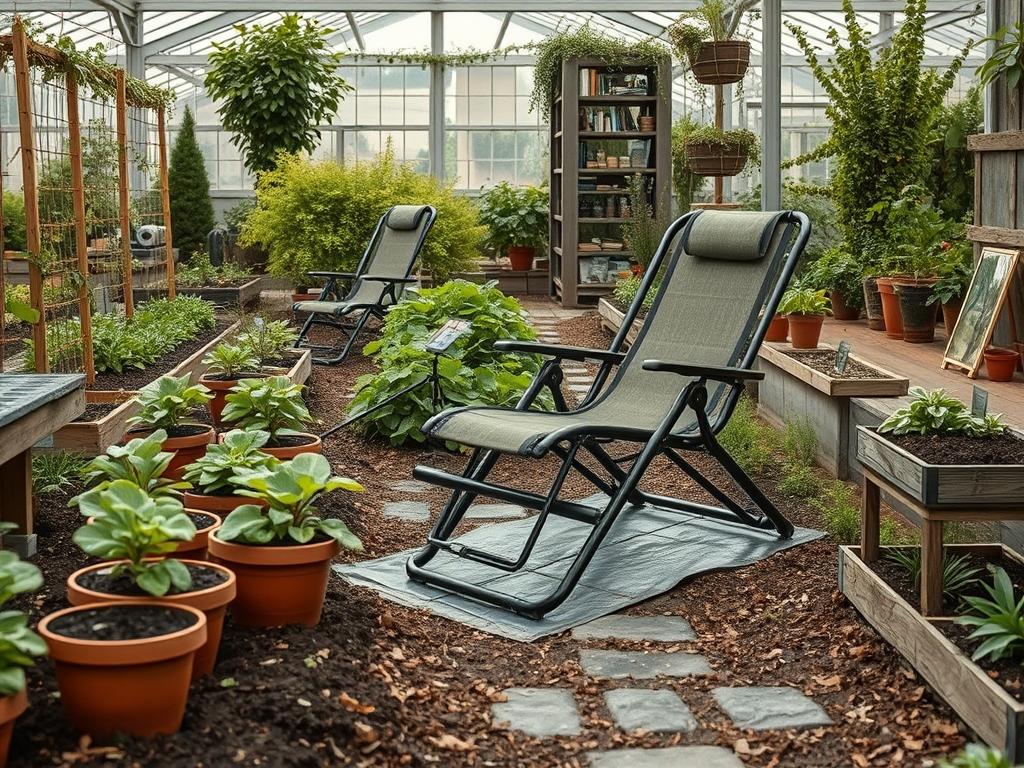
Designing a high performance outdoor environment requires a sophisticated understanding of both aesthetics and structural integrity. When a homeowner aims to transform a standard lawn into a wellness retreat, every element must be weighed against the local climate and the desired lifestyle functionality. The transition from a purely aesthetic garden to a functional living space often hinges on the selection of furniture that supports the body as much as the landscape supports the soul. This is where the integration of Backyard Zero Gravity Chairs becomes a critical design choice. These chairs are not merely accessories; they represent the culmination of ergonomic science placed within a naturalistic setting. A well planned landscape manages the delicate balance between hardscape durability and softscape vitality, ensuring that the ground remains stable underfoot while the vegetation provides a lush, private sanctuary for relaxation.
Success in modern landscaping is rarely accidental. It involves a meticulous assessment of the site’s topography and the way sunlight interacts with various zones throughout the day. Curb appeal serves as the initial handshake between a property and the community, yet the backyard serves as the private lungs of the home. To maximize this space, a designer must consider various factors, including the prevailing winds, which might dictate the placement of a privacy screen or a windbreak of evergreens. For those seeking to incorporate Backyard Zero Gravity Chairs, the design must provide a level, well drained foundation to prevent the furniture from sinking into soft turf or shifting on uneven gravel. By treating the seating area as a dedicated outdoor room, the landscape architect creates a sense of purpose and permanence that elevates the entire property value.
Landscape Design Principles
A core tenet of landscape architecture is the use of symmetry and visual balance to guide the eye across the environment. Formal gardens often rely on bilateral symmetry, where one side of a path mirrors the other, creating a sense of order and tranquility. In more contemporary or xeriscaped designs, asymmetrical balance uses the perceived weight of different objects—such as a large boulder balanced by a dense cluster of ornamental grasses—to create harmony. Focal points are another essential tool. A focal point might be a custom water feature, a specimen tree like a Japanese Maple, or even a pair of high quality Backyard Zero Gravity Chairs placed strategically to overlook a valley or a meticulously groomed flower bed. These focal points provide a destination for the viewer, encouraging movement through the landscape.
Dynamic elevation layers add depth and intrigue to a backyard. Instead of a flat, monochromatic expanse of grass, designers utilize retaining walls and multi-tiered planters to create vertical interest. This layering allows for the separation of different functional zones; for instance, a dining area might sit on a raised flagstone patio, while a relaxation zone featuring Backyard Zero Gravity Chairs might be tucked into a lower, more intimate garden “cove.” Walkways act as the circulatory system of the yard, connecting these zones with materials like decomposed granite, pavers, or stepping stones. These paths should be wide enough for two people to walk comfortably, typically at least 36 inches, and should be planned alongside an efficient drip irrigation system that delivers water directly to the root zones of the surrounding flora.
Plant and Material Selection
| Plant Type | Sun Exposure | Soil Needs | Water Demand | Growth Speed | Maintenance Level |
| :— | :— | :— | :— | :— | :— |
| Lavandula angustifolia | Full Sun | Sandy, Well-drained | Low | Moderate | Low |
| Buxus sempervirens | Full to Part Sun | Loamy, Rich | Moderate | Slow | Moderate |
| Acer palmatum | Part Shade | Slightly Acidic | Moderate | Slow | High |
| Miscanthus sinensis | Full Sun | Adaptive | Low | Fast | Low |
| Echinacea purpurea | Full Sun | Neutral | Low | Moderate | Low |
| Hydrangea macrophylla | Part Shade | Moist, Fertile | High | Fast | Moderate |
Implementation Strategy
The actualization of a landscape plan begins with thorough site preparation. Grading is the most vital step; the soil must be sloped away from the home’s foundation at a minimum of a 2 percent grade to ensure that rainwater does not pool near the structure. Once the grade is established, the layout of hardscaping elements like retaining walls, patios, and walkways should be marked using marking paint or surveyor’s twine. Before any stone is laid, a 4-inch layer of compacted crushed stone followed by a 1-inch layer of leveling sand should be prepared to provide a stable base. This stability is particularly important for the placement of heavy furniture like Backyard Zero Gravity Chairs, which require a firm surface to prevent their frames from becoming misaligned over time.
Edging provides the clean lines that define a professional landscape. Materials such as heavy-duty steel edging or poured concrete curbs prevent turf grass from encroaching into flower beds and keep mulch in its place. When applying mulch, a depth of 3 inches is standard; it suppresses weeds, retains soil moisture, and regulates temperature. For drainage, a French drain system using perforated 4-inch PVC pipe and river rock can be installed in low-lying areas where water naturally collects. This infrastructure ensures that your outdoor living space remains dry and usable even after significant rainfall. By integrating these structural elements early, the subsequent planting phase becomes a matter of adding the “jewelry” to a solid, well built frame.
Common Landscaping Failures
One of the most frequent errors in amateur landscaping is the neglect of proper drainage. Without a clear exit path for water, soil becomes saturated, leading to root rot and the eventual death of expensive plant specimens. Furthermore, poor drainage can cause soil heave, which displaces pavers and cracks concrete slabs. Another common pitfall is root overcrowding. Many enthusiasts plant trees and shrubs based on their size at the nursery rather than their mature dimensions. This leads to overgrown walkways and foundation damage as roots seek out moisture. Proper spacing is not a suggestion; it is a requirement for the long term health of the ecosystem.
Soil compaction is another silent killer of backyard beauty. During construction or heavy use, soil particles are pressed together, eliminating the air pockets necessary for root respiration. Using a core aerator can alleviate this, but prevention is better; avoid heavy foot traffic over planting beds. Additionally, many homeowners install irrigation systems without considering the specific needs of different “hydrozones.” Grouping plants with similar water requirements together prevents the overwatering of drought tolerant species like Succulents while under-watering thirsty plants like Hydrangeas. Finally, choosing low quality furniture that cannot withstand the elements is a failure of functionality. Investing in Backyard Zero Gravity Chairs with UV-resistant fabric and powder-coated steel frames ensures your relaxation area does not succumb to rust or fading within a single season.
Seasonal Maintenance
Landscape management is a year round commitment that evolves with the weather. In the spring, the focus is on rejuvenation. This involves removing winter debris, applying a slow-release fertilizer, and pruning dead wood from deciduous shrubs before the sap begins to flow. It is also the time to inspect the irrigation heads for clogs or leaks and to refresh the mulch layers. Summer maintenance shifts to water management and weed control. During peak heat, deep watering in the early morning reduces evaporation and strengthens root systems. This is the prime season for enjoying Backyard Zero Gravity Chairs, but it is also when they should be wiped down with a mild soap solution to remove pollen and dust.
As autumn arrives, the priority becomes preparation for dormancy. Planting bulbs for spring color and raking leaves to prevent them from smothering the lawn are essential tasks. Leaves can be shredded with a mulching mower to return nutrients to the soil. For hardscaping, autumn is the time to seal wood decks and check paver joints for lost sand. In winter, the landscape enters its quietest phase, but the work does not stop. Protect sensitive plants with burlap wraps and ensure that Backyard Zero Gravity Chairs are either covered with heavy-duty furniture covers or stored in a dry shed or garage. This preventative care extends the life of both your living plants and your outdoor investments, ensuring a seamless transition back to growth in the spring.
Professional Landscaping FAQ
How do I choose the best site for my chairs?
Select a level, shaded area with a clear view of your garden’s focal point. Ensure the ground is firm, using compacted gravel or flagstone to provide a stable, non-slip base that prevents the chair from tipping or sinking.
What is the best way to handle backyard slope?
Install a retaining wall to create a flat terrace. This prevents erosion and provides a functional “shelf” for your Backyard Zero Gravity Chairs, allowing you to enjoy the elevation without the physical instability of an incline.
Why is native plant selection so important?
Native plants are adapted to your local climate, soil, and rainfall patterns. They require less supplemental water and fewer chemical fertilizers, creating a sustainable environment that looks natural surrounding your outdoor lounge and seating areas.
How deep should my flower bed borders be?
Borders should be at least 3 feet deep to allow for layered planting. This depth provides enough space for taller background shrubs, mid-sized perennials, and low-growing groundcovers, creating a lush, professional aesthetic around your patio.
How do I maintain my outdoor furniture frames?
Check for chips in the powder-coating regularly. Touch up any exposed metal with rust-inhibiting paint immediately to prevent oxidation. Clean the joints of your Backyard Zero Gravity Chairs with a silicone-based lubricant to keep the reclining mechanism smooth and silent.