
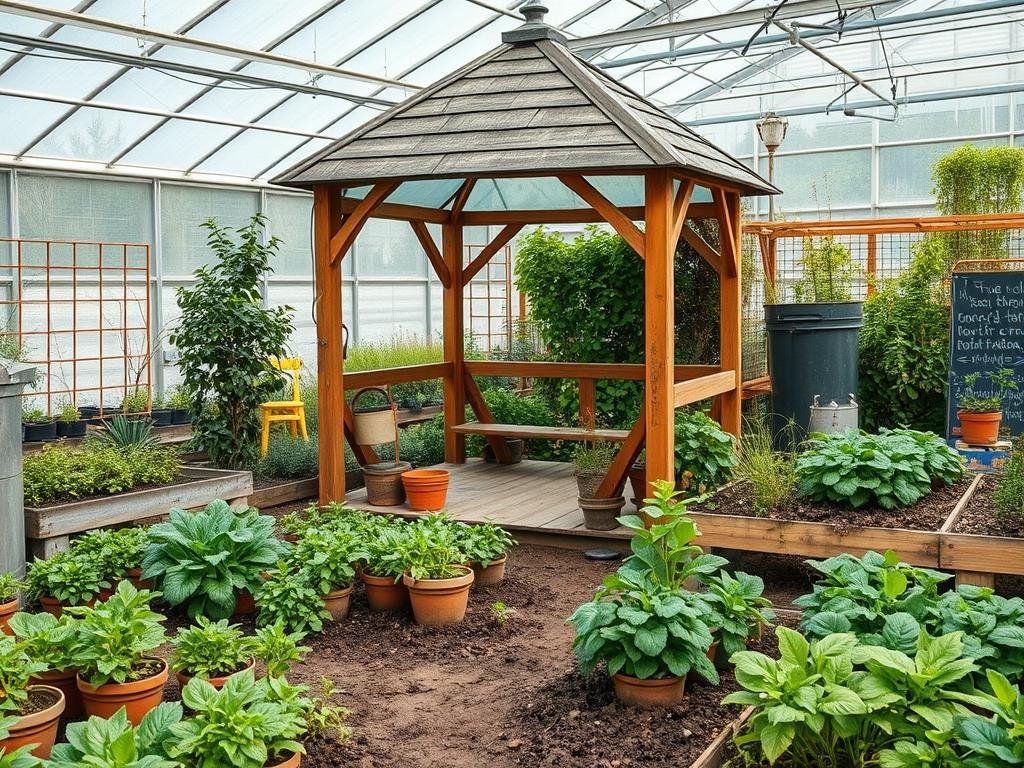
Designing a backyard gazebo requires more than just placing a structure on a flat patch of grass. It involves a sophisticated understanding of spatial flow, environmental context, and architectural synergy. Whether you are dealing with a temperate climate or an arid environment, the gazebo must act as a functional anchor that enhances the overall property value. High quality styling integrates the hardscape with the surrounding softscape to ensure the transition feels intentional rather than forced. A well executed plan considers the direction of prevailing winds and the path of the sun, ensuring that the interior remains comfortable throughout the day. When homeowners approach this as a comprehensive architectural project, the result is a seamless extension of the interior living space that boosts curb appeal and provides a sanctuary for year round use.
The landscaping challenge often lies in the scale. A gazebo can easily overwhelm a small yard or look adrift in a massive one. To solve this, designers must look at the site as a series of outdoor rooms connected by transitional paths. Integrating a structure into the existing topography requires careful planning of elevation and drainage. If the site is poorly graded, water will pool at the base, leading to structural rot and mosquito breeding grounds. Therefore, the primary goal of modern gazebo styling is to fuse aesthetic elegance with civil engineering principles. By utilizing retaining walls, native plants, and permeable pavers, a consultant can create a destination that feels like it has always belonged to the land.
Landscape Design Principles
Professional gazebo placement relies heavily on the principle of axial symmetry. This means aligning the entrance of the gazebo with a primary sightline from the main house, such as a large window or a sliding glass door. This creates a visual invitation, drawing the eye out into the landscape. To enhance this, designers often use focal points like a high end fire pit or a tiered fountain nearby. Symmetry does not mean everything must be identical on both sides; rather, it suggests a balanced distribution of visual weight. If a large Evergreen tree sits on the left, a corresponding cluster of mid sized shrubs or a decorative boulder might balance the right side.
Elevation layers are equally critical. A gazebo that sits directly on the grass often feels unfinished. Professional styling usually involves lifting the structure on a concrete pad or a timber deck to create a distinct floor. This elevation provides a platform for furniture and prevents moisture from the soil from wicking into the structural posts. Visual balance is further achieved through the use of “softening.” Hard angles of the roof and posts are contrasted with the organic curves of garden beds. By using landscape fabric and crushed granite for entryways, you create a crisp border that separates the manicured lawn from the structural zone.
Furthermore, irrigation planning must be addressed before the first stone is laid. If the gazebo styling includes climbing vines or perimeter flower beds, the drip irrigation lines should be buried at a depth of at least 8 inches to avoid damage from aerators or shovels. Integrated lighting should also follow these paths. Using a 12 volt transformer and low voltage LED fixtures allows for a subtle, professional glow that highlights the architectural features without creating harsh glare or light pollution.
Plant and Material Selection
The following table selections prioritize durability and aesthetic cohesion for gazebo surroundings. These species help soften the transition from wood or metal to the natural earth.
| Plant Type | Sun Exposure | Soil Needs | Water Demand | Growth Speed | Maintenance Level |
| :— | :— | :— | :— | :— | :— |
| Clematis | Full Sun | Well Drained | Moderate | Fast | Medium |
| Boxwood | Partial Shade | Loamy/Neutral | Low | Slow | Low |
| English Lavender | Full Sun | Gritty/Alkaline | Very Low | Moderate | Low |
| Star Jasmine | Full Sun/Part Shade | Rich/Moist | Moderate | Fast | Medium |
| Feather Reed Grass | Full Sun | Heavy Clay/Any | Low | Moderate | Very Low |
| Hydrangea | Partial Shade | Moist/Acidic | High | Fast | Medium |
When selecting materials for the walkway and base, focus on reflectivity and heat absorption. Light colored travertine or limestone stays cool underfoot during peak summer months. In contrast, dark slate or basalt can become uncomfortably hot. For the mulch layer around the perimeter, avoid lightweight bark that might blow into the gazebo. Instead, use triple shredded hardwood mulch or river rock at a depth of 3 inches to suppress weeds and maintain soil moisture levels.
Implementation Strategy
The first step in any layout planning is a thorough site survey. Use a laser level to determine the highest and lowest points of the garden. If the area where the gazebo will sit has a slope greater than 2 percent, you will need to perform minor grading. Use a square point shovel and a landscaping rake to redistribute topsoil, ensuring that the land falls away from the structure on all sides. This prevents water from undercutting the foundation during heavy rain.
Once the ground is level, mark the perimeter of the gazebo and the surrounding garden beds using marking paint. Excavate the area for your hardscape to a depth of 6 inches. The base should consist of 4 inches of compacted gravel, topped with 2 inches of leveling sand. Use a plate compactor or a hand tamper to ensure the base is rock solid. This prevents the pavers or the structure itself from shifting over time due to freeze thaw cycles.
For the edging, consider steel landscape edging or tumbled Belgian block. This creates a permanent barrier between the mulch beds and the lawn, making it easier to use a string trimmer without damaging the plants. When planting your shrubs and perennials, ensure that you leave enough space between the plant and the gazebo wall. A common rule of thumb is to plant at a distance equal to half of the plant’s mature width plus 12 inches. This allows for air circulation, which prevents mildew on the wood and fungal growth on the leaves.
Common Landscaping Failures
One of the most frequent mistakes is ignoring the impact of root systems. Planting a Silver Maple or a Willow Tree too close to a gazebo can result in the roots lifting the foundation or cracking the concrete piers. These aggressive root systems seek out the moisture that often collects under a structure. Another common error is improper drainage. Many installers forget to check where the gazebo roof runoff will go. Without gutters or a French drain consisting of perforated pipe and round wash stone, rainwater can create deep trenches in the surrounding soil and destroy expensive landscaping.
Soil compaction is another silent killer of backyard aesthetics. During the construction of the gazebo, heavy machinery like a skid steer may be used. This compresses the soil pores, making it impossible for air and water to reach the roots of newly planted native grasses or hostas. Always ensure that you use a tiller or a garden fork to loosen the soil in the planting zones after the heavy construction is finished. Finally, avoid the “floating structure” look. This happens when there is no transition between the gazebo and the rest of the yard. Use stepping stones or a flagstone path to visually and physically connect the gazebo to the main porch or driveway.
Seasonal Maintenance
In the spring, focus on cleaning and replenishment. Remove any winter debris that has accumulated in the corners of the gazebo and check for insect damage. This is the time to apply a new 1 inch layer of mulch to the garden beds and prune any deadwood from your climbing roses or vines. Check the irrigation system for leaks and ensure the spray heads are not hitting the wood of the gazebo, as constant water contact will strip the stain and cause rot.
Summer maintenance involves managing growth and hydration. Use bypass pruners to keep walkways clear and ensure that fast growing species like Wisteria are not climbing into the roof rafters where they can lift the shingles. In the autumn, clear the gutters of fallen leaves. If you have a wooden gazebo, this is the ideal window to apply a water repellent sealer or a fresh coat of stain while the humidity is low. In winter, protect the surrounding soil from salt damage if you are de-icing nearby paths. Avoid using sodium chloride near your perennials; instead, use calcium magnesium acetate, which is safer for the greenery.
Professional Landscaping FAQ
How far should my gazebo be from the property line?
Building codes vary, but most municipalities require a setback of at least 5 feet to 10 feet. Always check your local zoning laws and utility easements before digging footings or installing a large permanent structure.
What is the best way to prevent weeds under the gazebo?
Install a heavy duty geotextile fabric over the soil before laying your base materials. Cover the fabric with 3 inches of crushed stone or pea gravel. This blocks sunlight and prevents seeds from germinating in the dirt.
Can I grow vines directly on the gazebo posts?
While aesthetically pleasing, vines can trap moisture against the wood. It is better to install a metal trellis or a wire system spaced 2 inches away from the structure. This provides airflow and protects the integrity of the timber.
How do I choose the right lighting for styling?
Use a layered approach. Install recessed puck lights in the ceiling for tasks, and use path lights along the walkway for safety. Accent the surrounding trees with up-lighting to create a sense of depth and security at night.
Is it necessary to have a concrete foundation?
For small, portable models, leveling blocks may suffice. However, for a permanent, stylish backyard gazebo, a 4 inch thick reinforced concrete slab or concrete piers sunk below the frost line is the only way to ensure long term stability.