
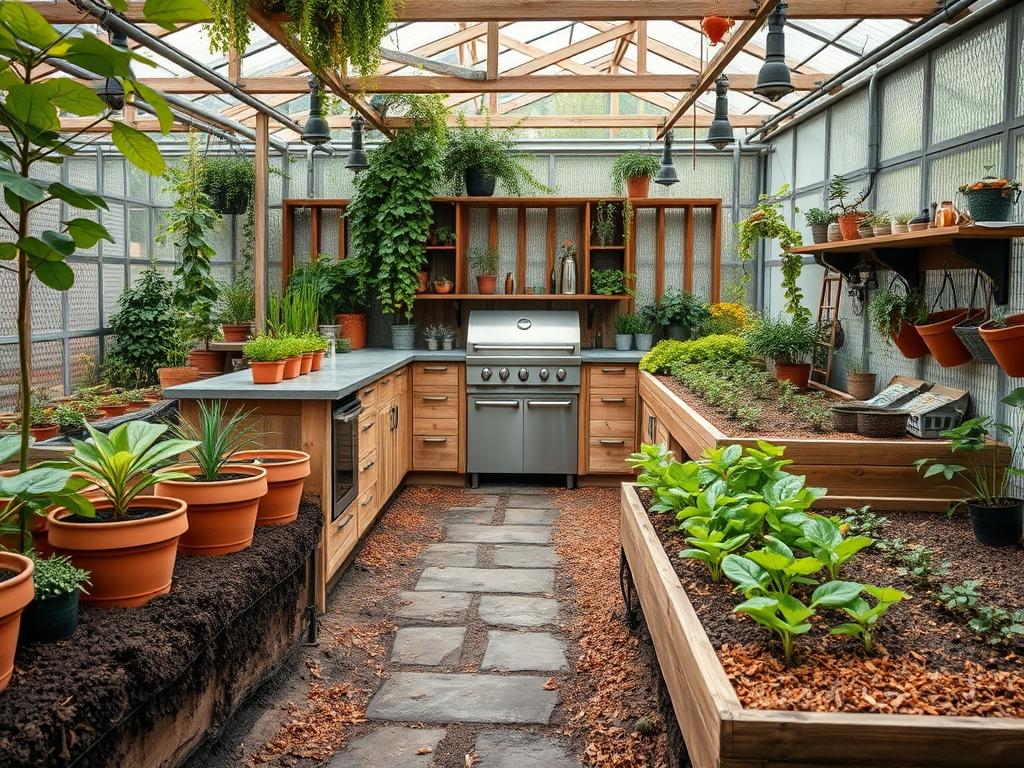
The evolution of the modern residential landscape has shifted the focus from simple aesthetics to integrated living environments where the distinction between interior comfort and exterior utility disappears. High-end Backyard Outdoor Kitchens represent the pinnacle of this transition; they serve as a sophisticated culinary pavilion that enhances property value and facilitates social engagement. Achieving a successful installation requires more than just placing a grill on a patio. It demands a rigorous understanding of site topography, microclimates, and the intersection of structural engineering with horticultural science. When a landscape architect approaches a luxury project, they must account for the prevailing wind patterns that carry smoke, the solar orientation that dictates shade requirements, and the hydraulic demands of high-performance appliances. The goal is to create a space that feels grounded in the earth yet offers the precision of a professional indoor kitchen.
Landscape Design Principles
The architecture of a high-end outdoor kitchen must adhere to the core tenets of symmetry and visual balance to feel cohesive with the primary residence. One of the most effective strategies involves the use of elevation layers. By utilizing Retaining Walls to create multi-level terraces, a designer can separate the high-traffic cooking zone from the relaxed dining area. This topographical variation adds a sense of grandeur and provides natural seating ledges. Focal points are equally crucial. A custom Pizza Oven or a massive Stone Fireplace can serve as an anchor for the entire backyard design, drawing the eye and providing a structural weight that balances the softer elements of the garden.
Walkways should be wide enough to allow for two people to pass comfortably, typically requiring a minimum of 48 inches in width. These paths should consist of high-density materials such as Porcelain Pavers or Bluestone set on a reinforced base. Symmetry can be reinforced through the use of parterre gardening or flanking the kitchen entrance with large, identical Concrete Planters. Irrigation planning must be integrated early in the design phase to ensure that the lush greenery surrounding the kitchen remains vibrant without creating moisture issues near the gas lines or cabinetry. Placing a Drip Irrigation System behind the kitchen island allows for precise watering of ornamental plants while keeping the hardscape bone dry.
Plant and Material Selection
The following selection highlights high-performing plants and materials suitable for luxury outdoor environments, focusing on resilience and aesthetic impact.
| Plant Type | Sun Exposure | Soil Needs | Water Demand | Growth Speed | Maintenance Level |
| :— | :— | :— | :— | :— | :— |
| Buxus sempervirens (Boxwood) | Full Sun to Shade | Well-Drained | Moderate | Slow | Medium (Trimming) |
| Lavandula angustifolia (Lavender) | Full Sun | Sandy/Alkaline | Low | Moderate | Low |
| Acer palmatum (Japanese Maple) | Partial Shade | Loamy/Acidic | Moderate | Slow | High (Pruning) |
| Miscanthus sinensis (Grasses) | Full Sun | Versatile | Low | Fast | Low |
| Carpinus betulus (Hornbeam) | Full Sun to Part | Rich/Moist | Moderate | Moderate | Medium |
| Rosmarinus officinalis (Rosemary) | Full Sun | Well-Drained | Low | Moderate | Low |
For hardscaping, the choice of material dictates the longevity of the space. Natural Stone Veneer offers a timeless appearance for kitchen islands, while Ipe Wood provides a warm, durable decking option that resists rot and insects. Stainless Steel remains the industry standard for cabinetry due to its ability to withstand oxidation in harsh outdoor climates.
Implementation Strategy
The construction of Backyard Outdoor Kitchens begins with meticulous site preparation. First, use a Transit Level or Laser Level to determine the existing grade. A slope of 1 percent to 2 percent away from the home and the kitchen structure is vital to prevent water pooling. Once the grading is established, the excavation for the foundation begins. For a heavy masonry kitchen, a 4 inch to 6 inch reinforced concrete slab is necessary to prevent settling.
Next, the installation of utilities occurs. This includes gas lines, electrical conduits for task lighting and appliances, and plumbing for the sink. All utility trenches should be at least 18 inches deep, depending on local building codes, to protect them from frost and surface activity. After the utilities are inspected, the hardscaping is laid down. Use a Compactor Plate on a base of Class 2 Road Base to ensure a stable surface for pavers.
Edging is the next step; use Aluminum Edging or Steel Edging to create clean boundaries between the lawn and the kitchen area. Once the structural components are in place, apply a layer of Hardwood Mulch at a depth of 3 inches in the surrounding garden beds. This temperature-regulating layer protects the root systems of your ornamental plants and helps retain moisture during the peak of summer. Finally, the installation of the appliances and the application of a high-grade Stone Sealer protect the surfaces from grease and food stains.
Common Landscaping Failures
The most frequent error in designing Backyard Outdoor Kitchens is failing to account for proper drainage. If water is allowed to collect at the base of a stone island, it can lead to efflorescence, which is the unsightly white salt buildup on masonry, or even structural cracking during freeze-thaw cycles. Another critical mistake is root overcrowding. Planting large canopy trees too close to the kitchen foundation can lead to root heave, which will eventually buckle the pavers and displace the cabinetry. Designers must understand the mature spread of a tree before choosing its location.
Soil compaction is another silent killer of high-end landscapes. During the construction of the kitchen, heavy machinery often packs the soil so tightly that it becomes impermeable. This suffocates the roots of existing plants and creates new drainage problems. It is essential to aerate the soil and incorporate organic matter once the heavy lifting is finished. Furthermore, irrigation inefficiencies, such as spray heads hitting the Stainless Steel Grill or Granite Countertops, will cause hard water spots and corrosion over time. Always utilize specialized drip zones for areas immediately adjacent to the kitchen.
Seasonal Maintenance
Spring is the time for renewal and inspection. Begin by checking all gas connections for leaks using a soapy water solution. Clean the Stainless Steel surfaces with a specialized cleaner to remove the winter grime. Inspect the grout and mortar joints in your Flagstone or brickwork for any signs of cracking. Apply a fresh layer of Bark Mulch to the garden beds to suppress weeds and prepare for the heat.
Summer maintenance focuses on irrigation and harvesting. During extreme heat, monitor the moisture levels in the soil near the kitchen. If you have planted Rosemary or other herbs near the prep station, prune them regularly to encourage new growth. Ensure that the overhead Pergola or shade structure is clear of debris to maintain airflow.
Autumn is the season for protection. Clean the drainage grates and French Drains to ensure that fallen leaves do not cause a backup. If you live in a climate with freezing temperatures, winterize the plumbing by blowing out the lines and shutting off the water supply to the outdoor sink.
Winter requires minimal but focused care. If you have a Natural Stone countertop, ensure it is covered or recently sealed to prevent moisture from entering microscopic pores and freezing. Avoid using salt on pavers near the kitchen, as it can pit the stone and damage the surrounding vegetation; use sand or specialized ice melts instead.
Professional Landscaping FAQ
How much space is needed for a functional outdoor kitchen?
A basic setup requires at least 10 feet of linear counter space. For a full-service kitchen with a grill, sink, and refrigerator, a footprint of 12 feet by 12 feet allows for comfortable movement and safe clearances.
What is the best countertop material for outdoor use?
High-Density Granite is the benchmark for luxury kitchens. It is heat resistant, non-porous when sealed, and does not fade in direct sunlight. Avoid marble or soapstone, as they are prone to staining and weathering in outdoor environments.
Do outdoor kitchens require a permit?
Most municipalities require permits for gas, electrical, and plumbing extensions. If you are building a permanent structure like a Pavilion or a masonry wall higher than 3 feet, a structural permit and site plan review are usually mandatory.
How do I manage smoke and heat near the dining area?
Place the grill on the leeward side of the dining area based on prevailing winds. If the kitchen is under a roof, install a high-capacity Outdoor Vent Hood with at least 1,200 CFM to extract smoke and grease effectively.
Can I install an outdoor kitchen on an existing wooden deck?
Standard decks are rarely built to support the weight of masonry and appliances, which can exceed 2,000 pounds. You must reinforce the joists and posts, or ideally, replace that section with a dedicated concrete pier or stone patio.