
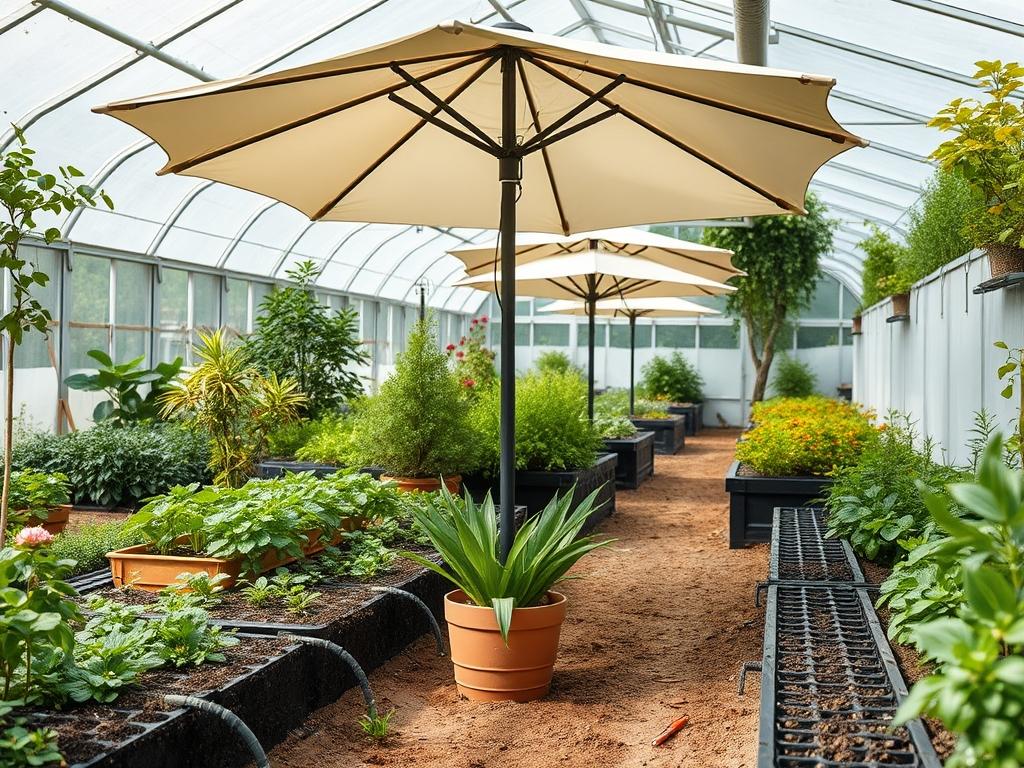
Modern backyard design has evolved from simple grassy plots into sophisticated, multi-functional outdoor environments that serve as direct extensions of the home interior. One of the most significant challenges in these spaces is the management of thermal comfort and spatial flow, particularly when dealing with the high-intensity overhead sun. A Backyard Cantilever Umbrella offers a strategic solution to this problem, providing modular shade without the central obstruction of traditional patio furniture. When planning a landscape, architects must consider how these structures interact with the surrounding elements, such as retaining walls, natural stone pavers, and specific plant groupings. The goal is to create a cohesive aesthetic that increases curb appeal while maximizing the utility of every square foot. Proper integration requires a deep understanding of site orientation, wind patterns, and how the shadow cast by the canopy will move across the hardscape throughout the day.
Landscape Design Principles
Successful landscape design relies on a balance of hard and soft elements to create a harmonious environment. When integrating Backyard Cantilever Umbrellas, focal points become essential. Rather than placing an umbrella as an afterthought, it should be treated as a structural anchor for an outdoor room. This is achieved through symmetry and the use of elevation layers. For example, a raised bluestone patio creates a clear platform for a dining area, where the offset nature of the cantilever allows for a large, unobstructed table. This creates a visual balance, where the weight of the umbrella base is countered by the airy, suspended nature of the canopy.
Walkways should be designed to lead the eye toward these shaded zones, using materials like decomposed granite or concrete pavers to define the path. Irrigation planning must also be synchronized with the placement of these structures. You must ensure that high-pressure spray heads do not saturate the fabric of the Sunbrella or Polyester canopy, as constant moisture leads to mildew. Instead, utilize drip irrigation systems for surrounding flower beds to keep water localized at the root zone. By layering the height of the plants, from low-growing creeping thyme at the edges to mid-sized hydrangeas, you create a sense of enclosure that enhances the intimacy of the shaded area.
Plant and Material Selection
Selecting the right biological and structural components is vital for ensuring the longevity of your landscape. The following table outlines plants that thrive near high-traffic patio areas where Backyard Cantilever Umbrellas are typically deployed.
| Plant Type | Sun Exposure | Soil Needs | Water Demand | Growth Speed | Maintenance Level |
| :— | :— | :— | :— | :— | :— |
| Lavender | Full Sun | Well-drained | Low | Moderate | Low |
| Boxwood | Partial Shade | Loamy | Moderate | Slow | Moderate |
| Fountain Grass | Full Sun | Sandy/Loamy | Low | Fast | Low |
| Hostas | Full Shade | Rich/Moist | High | Moderate | Low |
| Daylilies | Full Sun | Adaptable | Moderate | Fast | Low |
| Japanese Maple | Partial Sun | Acidic | Moderate | Slow | High |
In addition to plant life, material selection for the umbrella base and surrounding floor is critical. A Backyard Cantilever Umbrella requires a heavy anchor, often exceeding 200 pounds once filled with sand or water. If the umbrella is to be bolted directly into the ground, a reinforced concrete pad at least 4 inches thick is recommended to prevent shifting during wind gusts.
Implementation Strategy
The implementation of a professional backyard layout begins with a thorough site analysis. Before any digging occurs, use a transit level to check the grading of the area. The ground must slope away from the home at a rate of at least 1 inch every 10 feet to ensure proper drainage. Once the grade is established, map out the furniture and umbrella placement using marking paint.
The next step involves edging and hardscaping. Use steel edging or poured concrete curbs to create clean lines between the lawn and the patio. For the umbrella zone, excavate the soil to a depth of 8 inches, then backfill with 4 inches of compacted crushed stone followed by 2 inches of bedding sand. This provides a stable, level surface for the paver stones. When installing the umbrella, ensure the rotation mechanism has a clear 10-foot radius to prevent the canopy from hitting nearby tree branches or the house eaves. Finally, apply a 3-inch layer of hardwood mulch to the surrounding garden beds to retain moisture and suppress weeds.
Common Landscaping Failures
One of the most frequent errors in backyard planning is the neglect of subsurface drainage. When a large patio is installed to house a Backyard Cantilever Umbrella, it creates a significant non-porous surface. Without a French drain or a slightly pitched surface, water will pool around the umbrella base, eventually undermining the stability of the soil and causing the structure to lean.
Another failure involves root overcrowding. Homeowners often plant Oak trees or Maple trees too close to the patio edge. As the tree matures, the roots will lift the pavers, creating trip hazards and making the umbrella base unstable. Improper spacing is also common; one must account for the full extension of the cantilever arm. If the arm is 11 feet long, placing it 5 feet from a wall renders half of its motion useless. Lastly, soil compaction during construction can suffocate the roots of existing vegetation. Always use aeration tools to loosen the soil in planting zones after heavy machinery has finished the hardscape installation.
Seasonal Maintenance
Landscape management is a year-round commitment that changes with the climate. In the spring, focus on cleaning the Backyard Cantilever Umbrella canopy with mild soap and a soft-bristle brush. This is also the time to apply a slow-release Nitrogen fertilizer to the surrounding lawn and check the irrigation lines for leaks caused by winter freezes.
During the summer, the primary goal is hydration and UV protection. Ensure the umbrella is closed during high-wind events to prevent frame damage. Inspect the pivot joints and apply a silicone-based lubricant if the rotation becomes stiff. In autumn, clear fallen leaves from the patio and the umbrella canopy immediately. Decomposing organic matter can stain the fabric and the natural stone below. This is also the ideal time for pruning nearby shrubs to maintain the necessary clearance for the umbrella’s operation.
Winter requires the most intensive structural care. In regions with snow, it is best to remove the umbrella canopy and store it in a dry, rodent-proof container. If the frame must remain outdoors, use a heavy-duty weatherproof cover. Perform a final check of the retaining walls for any cracks caused by the freeze-thaw cycle, and ensure that all outdoor furniture is secured to prevent it from becoming a hazard during winter storms.
Professional Landscaping FAQ
What is the best foundation for a cantilever umbrella?
A reinforced concrete pad or a dedicated paver section with a 6-inch compacted gravel base is ideal. This prevents the heavy base from sinking or tilting over time, ensuring the mast remains perfectly vertical for optimal rotation.
Can I use a cantilever umbrella near a swimming pool?
Yes, but you must ensure the base is set back at least 3 feet from the water’s edge. Use stainless steel or powder-coated aluminum frames to resist corrosion from chlorine or salt spray commonly found in pool environments.
How do I prevent my umbrella from blowing away?
Always use the manufacturer-recommended weight, often between 200 and 400 pounds. For permanent installations, use galvanized anchor bolts to secure the cross-base directly into a concrete footing buried beneath the patio surface.
What plants are best for providing natural privacy under shade?
Tall Grasses and Emerald Green Arborvitae provide excellent vertical screening. These species offer a dense foliage wall that complements the height of the Backyard Cantilever Umbrella, creating a private, secluded sanctuary within a larger yard layout.
How often should I clean the canopy fabric?
Deep clean the fabric every 6 months using a solution of warm water and mild detergent. Spot clean bird droppings or tree sap immediately to prevent permanent staining and degradation of the UV-resistant coating on the material.