
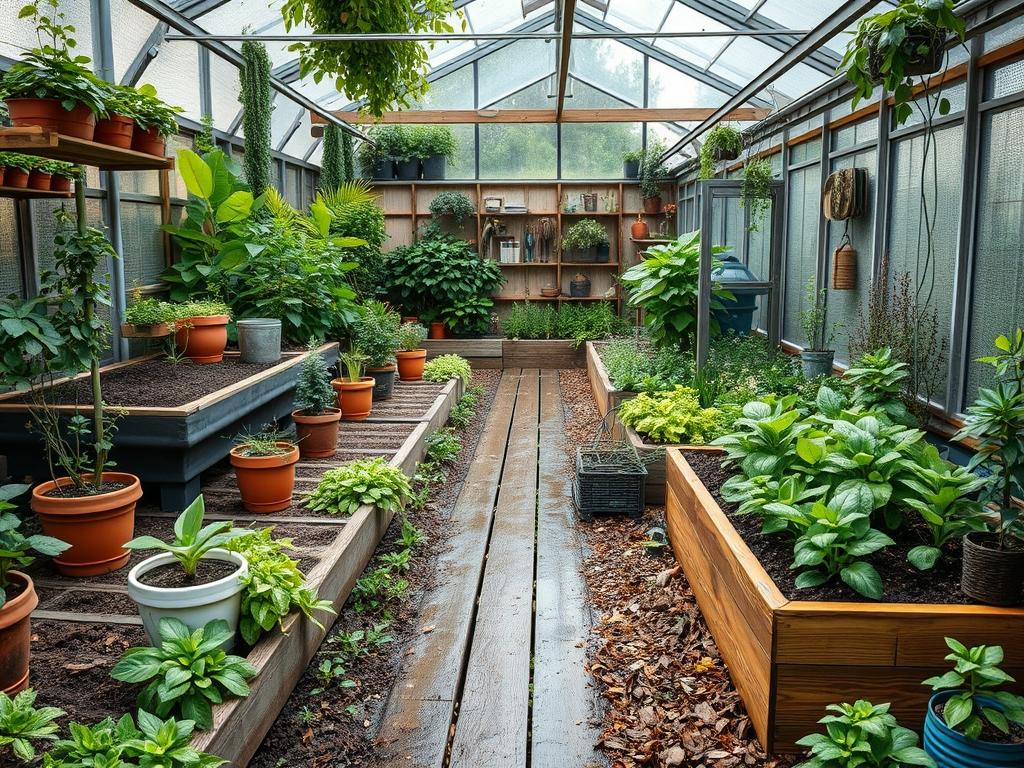
Integrating a wooden structure into a cohesive outdoor environment requires a sophisticated understanding of both horticulture and carpentry. The deck serves as the primary transition point BETWEEN the climate-controlled interior and the organic complexity of the garden. A common oversight in master planning is treating the deck as an isolated platform rather than a living component of the landscape. Success in backyard deck stain selection depends heavily on local humidity levels, the proximity of transpiring plant life, and the visual vocabulary established by the surrounding foliage. When a designer selects a finish, they are not merely choosing a color; they are specifying a protective barrier that must withstand the hydrostatic pressure of nearby irrigation systems and the relentless UV exposure found in open-air living spaces.
The durability of your outdoor environment is anchored by the relationship between hardscape materials and soil health. In regions with high rainfall, the choice of a Penetrating Oil Stain is often superior to film-forming resins because it allows the timber to breathe, preventing the trapped moisture that leads to premature rot. Properly executed landscaping ensures that the deck remains a functional asset that enhances curb appeal while providing a durable surface for foot traffic and furniture. By viewing the deck through the lens of a landscape architect, you can select finishes that complement the natural bark of River Birch trees or the deep greens of Boxwood hedges, creating a seamless visual flow from the back door to the property line.
Landscape Design Principles
Effective landscape design relies on a structured hierarchy of elements that guide the eye and facilitate movement. Symmetry plays a vital role in formal gardens, where a centrally positioned deck might be flanked by mirrored perennial beds to create a sense of order. However, in more contemporary or rustic settings, asymmetrical balance often prevails. This is achieved by offsetting the weight of a large structural deck with a significant focal point, such as a Basalt Column Water Feature or a specimen Japanese Maple, on the opposite side of the yard. These focal points prevent the deck from overpowering the garden and help define specific zones for relaxation and activity.
Elevation layers are another critical consideration for the modern consultant. By utilizing multi-level decking or terraced planting pockets, a designer can mitigate steep gradients and improve the usability of sloped lots. These levels should be connected by wide, safe walkways constructed from Bluestone Pavers or Crushed Granite, ensuring that the transition from the wood surface to the turf is stable. Irrigation planning must be integrated at this stage to prevent overspray from hitting the wooden members. High-quality Drip Irrigation Lines should be buried beneath Pine Bark Mulch to deliver water directly to the root zones of plants without compromising the integrity of the deck stain or causing mineral staining on the wood grain.
Plant and Material Selection
The following table outlines high-performance selections for the modern residential landscape, specifically chosen to complement various wood finishes and structural requirements.
| Plant Type | Sun Exposure | Soil Needs | Water Demand | Growth Speed | Maintenance Level |
| :— | :— | :— | :— | :— | :— |
| Emerald Green Arborvitae | Full Sun | Well-drained | Moderate | Medium | Low |
| Catmint (Walker’s Low) | Full Sun | Gritty/Sandy | Low | Fast | Minimal |
| Lenten Rose (Hellebore) | Part Shade | Rich/Humus | Moderate | Slow | Low |
| Japanese Forest Grass | Shade | Moist/Loamy | High | Medium | Low |
| Oakleaf Hydrangea | Part Sun | Acidic/Moist | Moderate | Medium | Seasonal Pruning |
| Creeping Thyme | Full Sun | Poor/Well-drained | Low | Fast | Minimal |
Implementation Strategy
Planning a comprehensive backyard layout begins with a detailed site analysis, focusing on grading and drainage. The ground beneath and around a deck must be graded at a 2 percent slope away from the home foundation and deck footers. This prevents water from pooling, which can cause the soil to heave and move the Concrete Piers. Once the grade is established, a high-quality Geotextile Weed Barrier is laid down, covered by 2 to 3 inches of Drainage Gravel to ensure the area under the deck remains dry and pests-free.
Edging provides the crisp definition required for a professional look. Using Heavy-gauge Steel Edging or Tumbled Paving Stones, the designer defines the boundaries between turf, garden beds, and the deck perimeter. When applying mulch, aim for a depth of 3 inches but ensure the material is kept several inches away from the wooden posts and siding to prevent moisture wicking. For the deck itself, the implementation of backyard deck stain selection requires a clean surface. Professional installers use a Oxygen Bleach Wood Cleaner and a Stiff Bristle Brush to remove silvered fibers and mill glaze before applying any finish. This ensures the Solid Color Stain or Semi-transparent Oil bonds deeply with the wood fibers, extending the maintenance cycle to three or five years instead of twelve months.
Common Landscaping Failures
The most frequent error in backyard development is improper drainage management. When water is allowed to collect against a ledger board or near supporting posts, the resulting rot can be catastrophic. Furthermore, many homeowners fail to account for the mature size of plant species. Planting a Leyland Cypress too close to a deck railing may look good during the first season, but within five years, the root system can crack footers and the branches will scrape the finish off the wood. Root overcrowding competes for nutrients and can eventually cause the death of smaller, adjacent perennials.
Soil compaction is another silent killer of healthy landscapes. During the construction of a deck, heavy machinery and constant foot traffic compress the earth, destroying the pore space necessary for oxygen and water to reach plant roots. A professional architect will always specify soil aeration and the addition of Organic Compost after construction is complete. Finally, irrigation inefficiencies, such as misaligned sprinkler heads that soak the deck boards daily, will cause even the most expensive Acrylic Deck Stain to peel and flake prematurely. Constant moisture cycles cause wood to expand and contract, breaking the bond of the finish and inviting fungal growth.
Seasonal Maintenance
Landscape management is a year-round commitment that changes with the seasons. In the spring, the focus is on renewal. This is the ideal time to inspect the deck for any winter damage and check the integrity of the Lag Bolts and Joist Hangers. Garden beds should be cleared of debris, and a fresh 1-inch layer of Compost should be applied before the new mulch. This is also the window for applying a maintenance coat of stain if the wood shows signs of water absorption.
Summer maintenance centers on hydration and heat management. Regularly monitor the soil moisture around your foundation and large trees to prevent the ground from shrinking away from deck footers. In the autumn, the primary task is leaf removal. Debris left on a deck surface will trap moisture and tannins, leading to dark stains that are difficult to remove. This is also the time to prune back any deciduous shrubs that are encroaching on the deck’s physical space. During winter, avoid using Rock Salt or chemical de-icers on stained wood, as these can pit the finish and damage the surrounding soil chemistry. Use a Plastic Snow Shovel to clear paths without gouging the timber.
Professional Landscaping FAQ
How often should I reapply my chosen deck stain?
Depending on UV exposure and foot traffic, a Semi-transparent Stain typically requires reapplication every two to three years. Solid Stains can last five years, while clear sealers often need annual attention to maintain the wood’s natural color and water resistance.
What is the best way to prevent weeds under a deck?
Install a heavy-duty Non-woven Geotextile Fabric over the bare soil. Secure it with Landscape Staples and cover the entire area with 3 inches of Clean River Rock or Crushed Stone to block sunlight and prevent seed germination effectively.
Can I plant large trees near my deck?
It is generally discouraged. Large tree roots can exert immense pressure on Concrete Footings, causing the deck to shift. Always research the mature canopy and root spread. Maintain a minimum distance of 15 feet for medium trees and further for larger species.
Does mulch type affect the longevity of wood structures?
Yes, avoid keeping mulch in direct contact with wood. Cedar Mulch is naturally rot-resistant and deters some insects, but any organic mulch holds moisture. Ensure a 4-inch gap exists between the mulch line and any stained wood or siding surfaces.
What is the ideal slope for backyard drainage?
Aim for a minimum slope of 1 inch of fall for every 4 feet of distance away from the deck and house. This ensures that heavy rainfall moves toward designated drainage zones or French Drains rather than accumulating under your living space.