
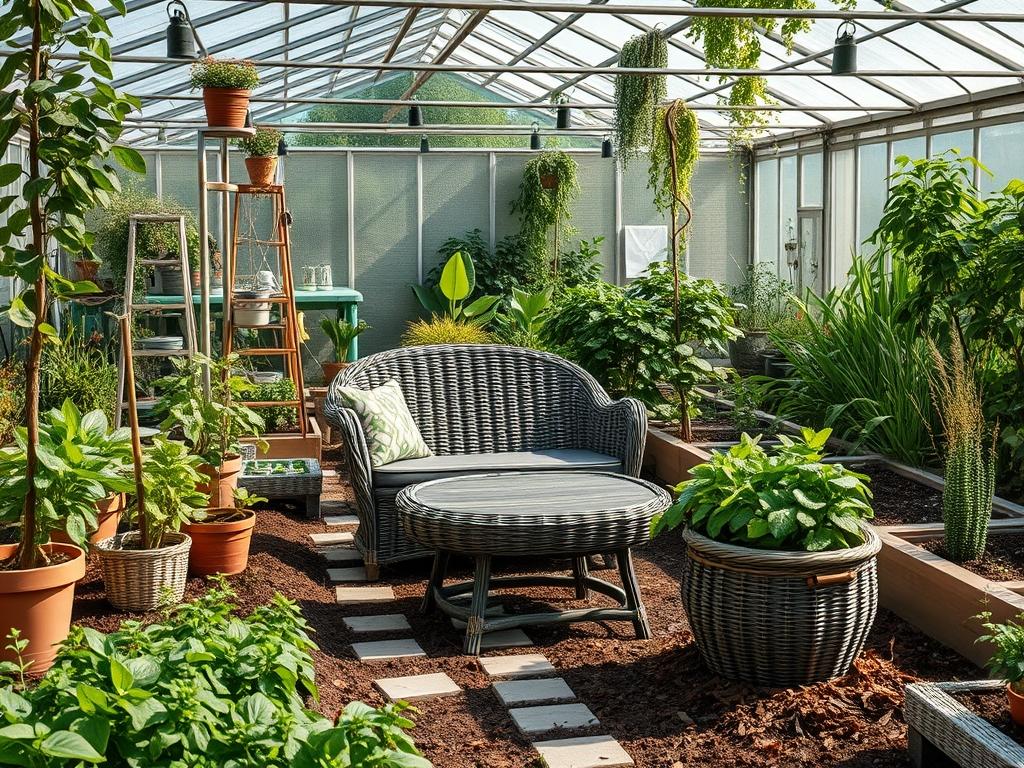
Integrating a sophisticated outdoor living area requires a meticulous balance between aesthetic appeal and structural preservation. When designing a high-end landscape, the primary challenge often lies in the intersection of organic growth and static architectural elements. Choosing the right Backyard Wicker Furniture serves as a functional extension of the home, yet these pieces remain susceptible to the very environment they inhabit. As a landscape architect, I view the backyard not merely as a collection of plants, but as a dynamic microclimate where humidity, soil pH, and solar orientation dictate the longevity of every component. Curb appeal is significantly bolstered when furniture remains pristine, as weathered or molding wicker suggests a lack of site maintenance. Achieving long-term functionality goals involves more than just selecting stylish cushions; it requires a deep understanding of site drainage, wind patterns, and the chemical interactions between organic mulch and synthetic or natural fibers. By treating the patio as a protected zone within the larger ecological framework, homeowners can ensure their investment remains a centerpiece of the environment rather than a victim of it.
Landscape Design Principles
Effective landscape design begins with the principle of symmetry and the establishment of clear focal points. When placing Backyard Wicker Furniture, the arrangement should lead the eye toward a primary feature, such as a Water Fountain or a specimen tree like a Japanese Maple. Symmetry does not always require identical plantings on either side of a path; instead, it involves balancing the visual weight of the area. If a heavy wicker sectional sits on the left side of a stone patio, the right side should be anchored by a group of large Terracotta Planters or a substantial stone wall. This prevents the space from feeling lopsided or disorganized.
Elevation layers are equally critical for protecting your assets. By utilizing raised platforms or multi-level decking, you can separate the furniture from the dampness of the lawn. A slight 2 percent grade is essential for all hardscape surfaces to ensure water moves away from the living area toward a designated Bioswale or French Drain. Without this elevation change, rainwater pools at the base of your wicker legs, leading to rot and structural failure. Furthermore, irrigation planning must account for the proximity of the furniture. Drip Irrigation lines should be routed at least 24 inches away from any wicker elements to avoid overspray, which can cause mineral buildup and chronic dampness on the weaving.
Visual balance is also achieved through the thoughtful integration of walkways. Using Bluestone Pavers or Decomposed Granite provides a stable, dry transit route that keeps mud and organic debris away from the lounging area. These paths act as a buffer zone, reducing the amount of moisture-retaining soil that comes into contact with the base of your furniture.
Plant and Material Selection
The vegetation surrounding your outdoor living space acts as a natural windbreak and shade provider, directly influencing the lifespan of your Backyard Wicker Furniture. Choosing low-debris species prevents the accumulation of sap, pollen, and leaves within the intricate wicker weave.
| Plant Type | Sun Exposure | Soil Needs | Water Demand | Growth Speed | Maintenance Level |
| :— | :— | :— | :— | :— | :— |
| Boxwood (Buxus) | Full to Partial | Well-drained | Moderate | Slow | Medium |
| Lavender (Lavandula) | Full Sun | Sandy/Lean | Low | Moderate | Low |
| Maiden Grass | Full Sun | Most Soils | Moderate | Fast | Low |
| Star Jasmine | Full to Partial | Loamy | Moderate | Fast | High |
| Dwarf Conifer | Full Sun | Acidic | Low | Very Slow | Very Low |
| Hostas | Full Shade | Rich/Moist | High | Moderate | Low |
In addition to plants, the choice of hardscape materials is vital. Permeable Pavers allow for vertical drainage, which is far superior to standard concrete in preventing surface splashes during heavy storms. For mulch, I recommend Double-Shredded Hardwood Mulch because it knits together and stays in place, preventing loose particles from blowing into your furniture during high winds. Avoid Pine Straw near wicker areas, as it is highly acidic and can be messy.
Implementation Strategy
Starting a backyard renovation requires a phased approach to ensure structural integrity. The first step represents the most critical phase: grading and site preparation. You must remove approximately 6 inches of topsoil and replace it with a 4-inch layer of compacted Crushed Stone or 3/4-inch Minus Gravel. This creates a stable sub-base that prevents the settling of your patio over time. Once the base is compacted using a Plate Compactor, you can install your choice of Flagstone or Pavers.
The next phase involves edging. I prefer Steel Edging or Aluminum Edging for its durability and clean profile. This keeps the turf from encroaching on the patio and provides a definitive barrier that helps manage moisture. When applying mulch to the surrounding garden beds, maintain a depth of exactly 3 inches. Too much mulch can trap heat and excess moisture, creating a breeding ground for mold that can jump to your Backyard Wicker Furniture.
For drainage, install a 4-inch Perforated Pipe wrapped in Filter Fabric along the low points of the yard. This system, often referred to as a French drain, captures subsurface water and redirects it toward the street or a rain garden. Finally, when the hardscape is complete, position your furniture at least 12 inches away from any dense shrubbery to allow for adequate airflow. Air circulation is the most effective natural defense against the mildew that plagues outdoor wicker.
Common Landscaping Failures
One of the most frequent errors I see in residential projects is negative drainage. This occurs when the land slopes toward the patio rather than away from it, turning the seating area into a collection basin for runoff. This constant exposure to standing water will ruin even the highest quality Backyard Wicker Furniture within a single season.
Another failure involves root overcrowding. Planting large canopy trees like Silver Maples too close to a patio can lead to the lifting of pavers as the roots expand. This creates an uneven surface that makes furniture unstable. Furthermore, improper spacing of shrubs often leads to a lack of ventilation. When plants are packed too tightly together, they create a stagnant, humid microclimate that prevents wicker from drying out after a rainstorm.
Soil compaction is a hidden enemy. When soil is compacted by heavy foot traffic or construction equipment, it loses its ability to absorb water, leading to increased surface runoff and erosion. Lastly, irrigation inefficiencies, such as misaligned Pop-up Sprinkler Heads, are a major culprit for furniture damage. A single sprinkler head hitting your furniture every morning is equivalent to a daily pressure wash, which will strip the finish and weaken the structural fibers of the wicker.
Seasonal Maintenance
Landscape management is a year-round commitment. In the spring, focus on cleaning out your Gutter Systems and checking your Downspout Extensions. Ensure that the spring rains are being directed far away from your patio. Apply a fresh 1-inch layer of mulch to replenish what was lost in winter, but keep it clear of the furniture legs.
During the summer, the priority shifts to irrigation timing. Water your plants in the early morning, specifically before 7:00 AM, to ensure the sun dries any accidental overspray before it can sit on your Backyard Wicker Furniture. Check for pests like aphids or scale on nearby plants, as their sticky honeydew can drop onto your wicker and attract ants or mold.
Autumn requires the removal of fallen leaves from the patio area. Decomposing organic matter releases tannins that can permanently stain wicker and stone surfaces. Use a Leaf Blower to clear the area daily during peak leaf drop. In the winter, the best protection for your furniture is physical removal. If you cannot move the pieces into a Shed or Garage, use heavy-duty Furniture Covers made of breathable Polyester. Avoid plastic tarps, as they trap moisture underneath and create a greenhouse effect that promotes rot.
Professional Landscaping FAQ
How does mulch placement affect my wicker furniture?
Placing mulch too close to wicker furniture traps ground moisture and promotes wood rot. Maintain a 12-inch gap between mulch beds and your furniture to ensure proper ventilation and prevent mold spores from traveling.
Can certain plants protect my outdoor seating from wind?
Yes, dense evergreen hedges like Arborvitae or Privet serve as effective windbreaks. They reduce the impact of wind-driven rain and prevent debris from being embedded in the intricate weave of your Backyard Wicker Furniture.
What is the best way to handle patio drainage?
Install a Slope of one-quarter inch per foot leading away from the house. Supplement this with a French Drain system to move heavy rainwater away from the furniture zone during intense storms.
Why is airflow important for outdoor furniture?
Stagnant air increases local humidity, which leads to mildew and fungal growth. By spacing your furniture away from walls and dense foliage, you allow natural breezes to dry the wicker after rain or morning dew.
Should I use a pressure washer on my wicker?
Never use a pressure washer on wicker. The high-velocity water can shred natural fibers and strip protective coatings. Use a low-pressure Garden Hose and a soft brush for safe, effective cleaning.