
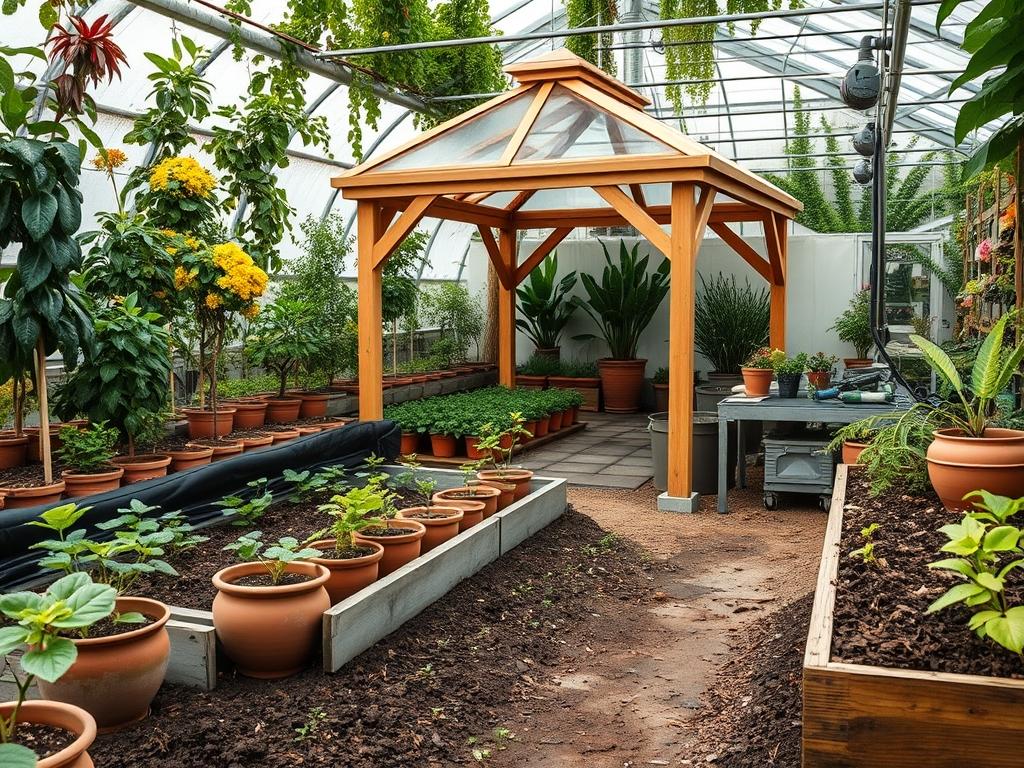
Transforming a residential backyard into a multifunctional outdoor environment requires a delicate balance between structural utility and aesthetic harmony. When homeowners introduce a temporary or semi-permanent structure, the primary landscaping challenge lies in integrating that element so it appears intentional rather than an afterthought. The core focus often shifts toward stability and aesthetics, specifically regarding the best Backyard Pop-Up Gazebo Tips for maintaining a cohesive yard design. A pop-up gazebo offers immediate relief from UV exposure and a designated zone for socialization, but without proper site planning, it can disrupt the flow of the landscape or become a safety hazard during high-wind events. Professionals evaluate the site based on existing microclimates, looking at how wind tunnels between the house and the fence might affect the stability of the canopy. Furthermore, the curb appeal of a property depends on the visual weight of these structures; a gazebo that is too large for its footprint can overwhelm smaller garden beds, while one that is too small may look disconnected from the overall environment.
Landscape Design Principles
Successful garden planning relies on foundational principles that anchor structural elements like gazebos into the living environment. Symmetry and visual balance are the first considerations for any landscape architect. If a gazebo is placed at the far end of a rectangular lawn, it acts as a terminal focal point. To balance this visual weight, one might place a dense grouping of Ornamental Grasses or a large Stone Finial on the opposite side of the yard. This creates a sense of equilibrium that prevents the yard from feeling lopsided. Elevation layers are equally important. Placing a gazebo on a slightly raised platform, or a pre-leveled area of Pea Gravel, creates a psychological distinction between the transition space of the yard and the “room” created by the structure.
Walkway integration ensures that the gazebo is accessible and serves its functional goal. A path made of Natural Flagstone or Tumbled Pavers should lead naturally from the back patio to the structure, preventing the “beaten path” look that occurs when foot traffic kills the turf. Irrigation planning must also account for these structures. Pop-up gazebos can create “rain shadows,” areas where the canopy prevents natural rainfall from reaching the ground, while simultaneously creating heavy runoff at the drip line. Professional layouts involve adjusting sprinkler head patterns or installing a French Drain around the perimeter to manage the concentrated water shed. By treating the gazebo as a fixed focal point during the design phase, you ensure that the surrounding flora and hardscaping support its presence rather than competing with it.
Plant and Material Selection
The following table provides a selection of plants and materials suited for surrounding a gazebo area, categorized by their growth habits and maintenance requirements to ensure long-term landscape health.
| Plant Type | Sun Exposure | Soil Needs | Water Demand | Growth Speed | Maintenance Level |
| :— | :— | :— | :— | :— | :— |
| Boxwood Shrub | Full to Partial | Well-drained, Loamy | Moderate | Slow | Medium (Trimming) |
| Lavender | Full Sun | Sandy, Alkaline | Low | Moderate | Low |
| Creeping Thyme | Full Sun | Poor, Rocky | Low | Fast | Very Low |
| Hostas | Full Shade | Rich, Organic | High | Moderate | Low |
| Star Jasmine | Full to Partial | Moist, Fertile | Moderate | Fast | High (Pruning) |
| River Birch | Full Sun | Wet, Acidic | High | Fast | Medium |
Implementation Strategy
Implementing a backyard layout involving a pop-up gazebo begins with rigorous site preparation. The first step represents the most critical phase: grading. You must ensure the ground is level to prevent the gazebo frame from twisting, which can lead to structural failure or torn fabric. Use a 4-foot Level and a Tamper to create a flat, compacted base of Crushed Limestone or Decomposed Granite. This provides a stable foundation that resists settling more effectively than standard topsoil. Once the base is prepared, edging materials like Steel Landscape Edging or Pressure-Treated Timber should be installed to define the border between the gazebo zone and the surrounding mulch beds.
Securing the structure is the next technical hurdle. Professional Backyard Pop-Up Gazebo Tips emphasize the use of high-quality Heavy-Duty Ground Anchors. For soft-scape installations, Threaded Augers that screw at least 12 inches into the earth offer significantly more resistance than straight stakes. If the gazebo is located on a hard-scape, such as a concrete patio, the use of Weighted Leg Plates or Sandbag Weights is essential. These weights should ideally provide at least 25 to 40 pounds of downward force per leg to counteract uplift from sudden gusts. When applying Wood Bark Mulch, maintain a depth of 3 inches around the perimeter to suppress weeds and retain moisture for nearby plantings, but keep the mulch away from the metal legs to prevent moisture-induced corrosion.
Common Landscaping Failures
One of the most frequent errors in garden planning is failing to account for drainage. When a large canopy is deployed, it acts as a massive water collector. During heavy storms, hundreds of gallons of water can pour off the edges of the gazebo. If the surrounding soil is compacted or lacks a proper Drainage Tile, this water will pool at the base of the structure, leading to mud, soil erosion, and potential foundation instability for nearby walls. Another mistake is root overcrowding. Homeowners often plant fast-growing privacy screens too close to the gazebo site; as these plants mature, their root systems can heave the leveled ground or interfere with the anchoring system.
Irrigation inefficiencies also plague many DIY setups. If a gazebo is left in a semi-permanent position, the grass beneath it will experience significant stress due to a lack of sunlight and uneven water distribution. Over-irrigating to compensate for the “rain shadow” often leads to fungal infections in the turf. Furthermore, improper spacing between the gazebo and existing structures can create “dead zones” where air circulation is restricted. Stagnant air encourages the growth of powdery mildew on plants and mold on the gazebo fabric. To avoid these failures, ensure a minimum clearance of 3 to 5 feet from any dense foliage or permanent building walls.
Seasonal Maintenance
Landscape management shifts with the transition of the seasons, and a gazebo requires specialized care to survive these cycles. In the spring, the focus is on inspection and soil health. Check the anchoring system for “frost heave,” where the freezing and thawing of the ground may have pushed stakes upward. This is also the time to apply a Pre-emergent Herbicide to the surrounding beds and clean the canopy with a mild surfactant to remove winter grime. Summer maintenance focuses on hydration and tension. High heat can cause fabric to stretch; therefore, you should regularly check the tension of the Ratchet Straps or guy lines. Monitor the plants in the rain shadow area and provide supplemental hand-watering as needed.
As autumn arrives, the primary task is debris management. Fallen leaves can accumulate on the roof of the gazebo, trapped by the frame or support ribs; the weight of wet leaves can stress the aluminum or steel structure. Remove organic debris weekly to prevent staining and rot. In colder climates, winter usually necessitates the removal of the fabric canopy. While the frame may be “all-weather,” most pop-up fabrics are not designed to hold a snow load. A single heavy snowfall can result in a total structural collapse. Store the fabric in a dry, ventilated area to prevent rodent damage and mold. If the frame remains outdoors, ensure it is still anchored to prevent it from becoming a projectile during winter windstorms.
Professional Landscaping FAQ
How do I prevent my pop-up gazebo from blowing away on grass?
Use 12-inch Spiral Augers driven fully into the soil at a 45-degree angle. Supplement these with 60-pound Sandbags attached to the base of each leg. This provides both downward weight and deep-earth tension to resist varying wind speeds.
Will a pop-up gazebo kill the grass underneath?
Yes, prolonged use will cause “turf yellowing” due to a lack of photosynthesis. To minimize damage, move the structure every few days or replace the grass in that specific zone with a Permeable Paver system or Crushed Stone.
What is the best way to handle rain runoff from the canopy?
Install a Gravel Perimeter or a shallow Pea Gravel Trench directly beneath the drip line of the gazebo. This allows high volumes of water to infiltrate the soil quickly, preventing erosion and localized flooding in your garden beds.
Can I leave my gazebo frame up year-round?
While many frames are Powder-Coated Steel, they are prone to joint fatigue and rust over time. It is best to retract the frame during extreme winter months to protect the integrity of the mechanical hinges and the aesthetic finish.
How far should a gazebo be from a fire pit?
Maintain a minimum safety distance of 15 to 20 feet between the gazebo canopy and any open flame. Floating embers can easily ignite polyester or vinyl fabrics, and the heat can warp the structural frame or melt the joints.