
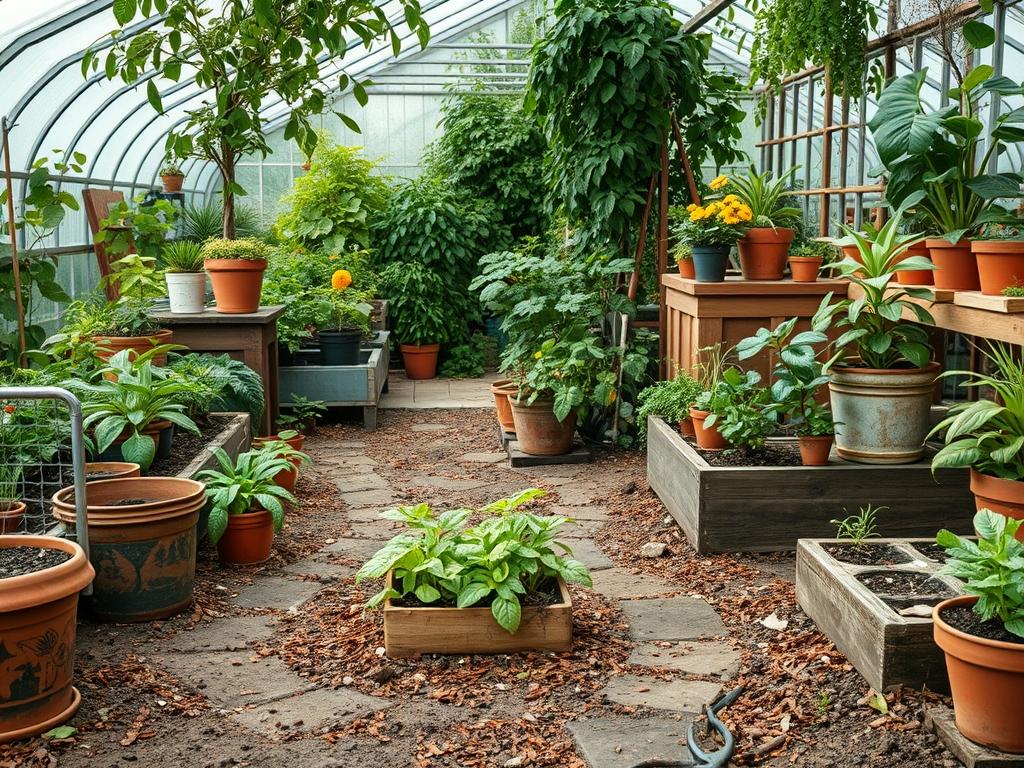
Designing a resilient outdoor environment requires a sophisticated synthesis of aesthetic form and rigorous functional utility. When the landscape architect is tasked with creating a space that accommodates a high-energy animal, the challenge shifts from simple ornamentation to a complex engineering problem centered on durability and safety. Integrating backyard puppy proofing tips into a professional master plan ensures that the integrity of the soil, the health of the flora, and the structural longevity of the hardscape remain intact despite the physical stresses of a growing dog. We must move beyond the basic concept of a fence and instead look at the entire site through the lens of topographical management and horticultural strategy. Climate considerations play a massive role here; a backyard in a temperate zone requires different drainage solutions for heavy paw traffic than a desert landscape where heat dissipation and paw-safe surface temperatures are paramount. Ultimately, a successful design preserves curb appeal and site value while providing a safe, stimulating, and damage-resistant sanctuary for every inhabitant, regardless of species.
Landscape Design Principles
Professional landscape architecture relies on the orchestration of sightlines, symmetry, and spatial hierarchy to create a sense of order. When designing for puppies, symmetry can be preserved by using mirrored retaining walls or raised garden beds that elevate delicate plantings at least 18 inches above the grade. This vertical separation serves as a soft psychological barrier for the animal while maintaining the visual balance of the garden. Focal points, such as a stone sculpture or a robust water feature, should be anchored in reinforced concrete footings to prevent shifting if bumped or climbed. Utilizing the concept of “layering” allows the architect to place dense, hardy shrubs like Boxwood at the perimeter of a planting bed, acting as a natural green wall that protects more sensitive perennials located in the interior.
Elevation changes are particularly useful for directing movement and defining boundaries without the need for visual clutter. A sunken patio or a tiered terrace creates natural containment zones that puppies find intuitive to follow. Irrigation planning must also be precise, transitioning from traditional surface-level emitters to sub-surface drip irrigation lines. This prevents the animal from chewing on plastic components and ensures that water reaches the root zone without creating surface puddles that lead to mud and soil erosion. Walkways should be designed with a minimum width of 48 inches to allow for side-by-side walking with a handler, utilizing non-slip materials like textured flagstone or decomposed granite to provide traction and stability.
Plant and Material Selection
The following selection focuses on species and materials that offer high structural integrity, non-toxic profiles, and resilience against physical impact or high nitrogen levels associated with pet waste.
| Plant Type | Sun Exposure | Soil Needs | Water Demand | Growth Speed | Maintenance Level |
| :— | :— | :— | :— | :— | :— |
| Fountain Grass | Full Sun | Well-Drained | Moderate | Fast | Low |
| English Boxwood | Partial Shade | Loamy | Medium | Slow | Moderate |
| Marigolds | Full Sun | Rich/Moist | High | Fast | Low |
| Creeping Thyme | Full Sun | Sandy/Poor | Low | Medium | Very Low |
| Snapdragons | Full Sun | Well-Drained | Moderate | Moderate | Moderate |
| Zebra Grass | Full Sun | Standard | Low | Fast | Low |
Implementation Strategy
The transition from a blueprint to a physical landscape requires a methodical approach to site preparation. Begin with grading to ensure a minimum 2 percent slope away from all structures. This prevents the accumulation of water, which is the primary cause of muddy paws and damaged turf. Once the grade is established, define the garden beds using 14-gauge steel edging. Steel provides a crisp, permanent line that prevents grass from encroaching on the beds and resists the chewing behavior common in young puppies.
When installing hardscaping, a solid foundation is non-negotiable. For a paver patio, use a 4-inch base of compacted crushed stone topped with a 1-inch sand bedding layer. This prevents the pavers from shifting or sinking under the weight of high-speed play. For planting zones, apply a 3-inch layer of double-ground cedar mulch. Cedar is naturally flea-resistant and heavy enough to stay in place. Avoid lighter materials like pine straw or cocoa hulls, as the former is easily displaced and the latter is toxic to dogs. In areas where the puppy will frequently run, consider a buffer zone of smooth river rock or pea gravel at least 2 feet wide between the lawn and the fence line. This accommodates several laps of running without destroying the turf or creating a “dirt track” effect.
Common Landscaping Failures
The most frequent failure in backyard puppy proofing tips is an inadequate assessment of drainage. When water pools on the surface, it saturates the upper soil horizon, making grass roots susceptible to tearing. This leads to “pitting” where a puppy’s paws can easily excavate the lawn. Another common mistake is root overcrowding caused by improper spacing. In an attempt to achieve an “instant” garden, many homeowners plant too close together. This creates weak, spindly growth that cannot withstand the physical impact of a dog. Architects should always design for the mature width of a plant, leaving ample space for air circulation and movement.
Soil compaction is a silent killer of high-end landscapes. Frequent running over the same path compresses the soil, eliminating the air pockets necessary for root respiration. To combat this, use core aerators twice a year to loosen the ground. Irrigation inefficiencies are also a major hurdle. Surface-level spray heads are often decapitated by curious puppies or damaged by toys. If surface irrigation must be used, utilize pop-up rotors that retract fully into heavy-duty protective canisters. Finally, failing to consider sightline anxiety leads to excessive fence-line digging. If a puppy can see squirrels or people through a slotted fence, they will work tirelessly to reach them; installing solid privacy screens or dense hedging can mitigate this behavior.
Seasonal Maintenance
Seasonal care ensures that the structural integrity of the pup-proofed garden remains high throughout the year. During the spring, focus on soil testing to check for nitrogen spikes and applying top-dressing of screened compost to repair any winter wear on the lawn. This is the optimal time to inspect the irrigation system for any leaks or damaged nozzles.
In the summer, maintenance revolves around hydration and heat management. Ensure that mulch depth is maintained at 3 inches to keep roots cool and moisture levels stable. If you use synthetic turf in specific potty zones, wash it down weekly with an enzymatic cleaner to neutralize odors and prevent bacteria buildup. Check paving stones frequently for heat retention; if the surface is too hot for a hand, it is too hot for a paw.
The autumn months should be dedicated to overseeding thin patches of grass with a durable variety like Tall Fescue or Kentucky Bluegrass. Clean out any fallen debris from drainage grates and French drains to prepare for winter precipitation. Prune any low-hanging branches from woody shrubs to maintain clear paths and prevent the animal from snagging its coat or collar.
During the winter, the focus shifts to protection. Avoid using sodium chloride or standard rock salt on walkways, as these chemicals can cause chemical burns on paws and damage the soil chemistry. Instead, opt for calcium magnesium acetate or simple sand for traction. Inspect the perimeter of all retaining walls and fence posts for signs of shifting caused by the freeze-thaw cycle, as stability is crucial for long-term safety.
Professional Landscaping FAQ
How can I stop my puppy from digging along the fence?
Install a 2-foot wide border of large river rocks or bury a L-shaped wire mesh along the fence line. The physical barrier of stones or wire effectively deters digging by making the ground difficult and uncomfortable to excavate.
What is the best mulch for a dog-friendly backyard?
Use triple-processed cedar mulch or unprocessed wood chips. Cedar is naturally pest-repellent and stays in place better than lighter alternatives. Avoid cocoa mulch, which contains theobromine and is highly toxic if ingested by your pet.
Are there specific grass types that resist puppy urine?
While no grass is entirely immune, Bermuda grass or Kite Kentucky Bluegrass are known for their high recovery rates and durability. Maintaining a tall mowing height and deep irrigation cycles helps dilute nitrogen and encourages deeper, more resilient root systems.
How do I integrate a dog run without ruining my curb appeal?
Utilize ornamental fencing screened by a row of tall grasses or evergreen shrubs. Using materials that match the primary residence’s architecture, such as wrought iron or stained cedar, ensures the dog run appears as a deliberate garden feature.
Can I use decorative ponds in a puppy-proofed yard?
Yes, but the design must include a sloped beach entry or submerged rock steps to allow an animal to exit easily. Surround the feature with a low stone wall or dense plantings to prevent accidental falls into the water.