
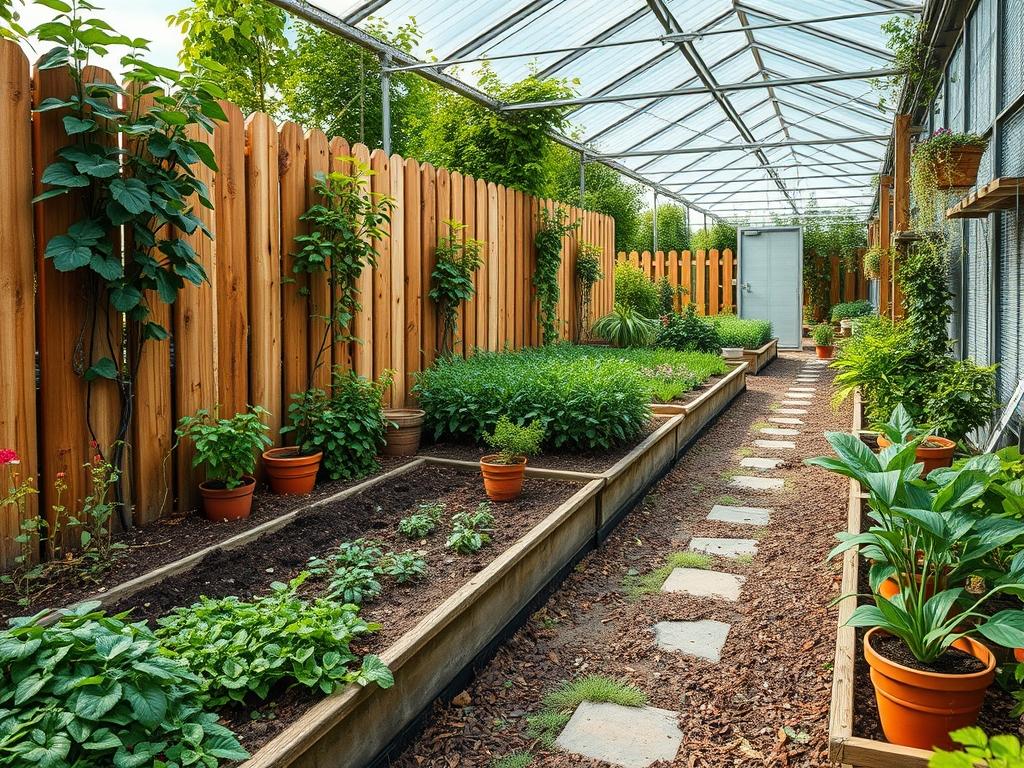
Selecting the proper perimeter structure is the most critical decision a homeowner faces when defining the boundaries of an outdoor living space. While many focus solely on the aesthetics of a backyard, the architectural backbone often rests upon the durability and resilience of the chosen materials. Landscaping challenges such as wind load, soil moisture, and UV exposure can quickly degrade inferior products. This is where the specific cedar privacy fence benefits become apparent to any seasoned consultant. Standard pressure-treated lumber relies on chemical infusions to ward off rot, but these treatments often lead to warping and twisting as the wood dries unevenly. In contrast, Western Red Cedar contains natural oils and tannins that provide an inherent resistance to insects and decay. This natural chemistry ensures that the structural integrity of the fence remains intact for decades, providing a stable backdrop for high-end horticultural installations. By investing in a premium material, you eliminate the cycle of frequent repairs, allowing the landscape to mature without the interruption of heavy construction every few years.
Landscape Design Principles
A successful landscape relies on the application of core design principles to create a cohesive environment. Symmetry often serves as the starting point, especially in formal gardens where aligned rows of Boxwood or identical stone pillars frame a view. However, achieving visual balance does not always require a mirror image. Asymmetrical balance uses different elements of equal visual weight, such as a large Japanese Maple offset by a cluster of smaller Hostas and a well-placed boulder. Focal points are another essential element. They draw the eye toward a specific feature, whether it is a high-quality cedar gate or a tiered fountain.
Elevation layers add depth and interest to what might otherwise be a flat, uninspired yard. By using retaining walls, a designer can create distinct terraces that separate dining areas from play spaces or kitchen gardens. These layers must be supported by meticulous irrigation planning to ensure that water reaches every tier without causing erosion. Walkways should be designed to guide the transition between these zones, using materials like flagstone or pavers that complement the natural tones of the surrounding structures. When a cedar privacy fence serves as the boundary, its warm, reddish-brown hues provide a neutral yet sophisticated canvas that enhances the colors of the foliage.
Plant and Material Selection
Choosing the right components for your garden requires an understanding of both biological needs and structural demands. The following table highlights common species and materials used in professional installations.
| Plant Type | Sun Exposure | Soil Needs | Water Demand | Growth Speed | Maintenance Level |
| :— | :— | :— | :— | :— | :— |
| Emerald Green Arborvitae | Full Sun | Well-drained | Moderate | Medium | Low |
| Lavender | Full Sun | Sandy/Gravelly | Low | Fast | Medium |
| Hydrangea Macrophylla | Partial Shade | Loamy/Rich | High | Fast | High |
| Creeping Thyme | Full Sun | Poor/Well-drained | Low | Medium | Low |
| River Birch | Full Sun/Part Shade | Moist/Acidic | High | Fast | Moderate |
| Fescue Grass | Part Sun | Loamy | Moderate | Fast | High |
Beyond plants, the selection of hardscape materials like crushed granite, river rock, and mulch dictates the long-term health of the soil. Cedar mulch is particularly valuable because it mirrors the longevity found in fencing. It decomposes slowly and repels certain pests, making it an ideal choice for flower beds that sit adjacent to wooden structures.
Implementation Strategy
The transition from a design on paper to a physical landscape requires a precise implementation strategy. The process begins with grading, which ensures that the slope of the land directs water away from the foundation of the home and the fence posts. Proper drainage is the most vital step; without it, even the best materials will fail. Once the grade is established, designers use edging tools to define the boundaries between turf, garden beds, and hardscaped paths. This prevents invasive grass species from encroaching on delicate ornamental plants.
When installing a cedar privacy fence, the posts should be set at a depth of at least 36 inches in most climates to bypass the frost line. Using gravel at the base of the post hole allows for drainage, preventing the wood from sitting in standing water. After the structural elements are in place, the focus shifts to soil preparation. Incorporating organic compost into the top 6 inches of soil provides the nutrients necessary for new plantings to thrive. Finally, applying a layer of mulch at a depth of 3 inches helps retain moisture and regulate soil temperature, creating a stable environment for the root systems.
Common Landscaping Failures
Many property owners encounter significant setbacks due to avoidable errors during the planning phase. One of the most frequent mistakes is improper drainage, which leads to “wet feet” for plants and accelerated rot for wooden structures. If water pools at the base of a fence, the constant moisture can bypass even the natural defenses of cedar, leading to a shortened lifespan. Another common issue is root overcrowding. It is tempting to plant shrubs close together for immediate privacy, but as they mature, they compete for nutrients and water, often resulting in stunted growth or death.
Improper spacing between the fence and the foliage is also a concern. Plants should be situated at least 2 feet away from the fence panels to allow for air circulation and easy access for maintenance. Soil compaction is another silent killer of healthy gardens. High foot traffic or the use of heavy machinery during construction can pack the soil so tightly that oxygen cannot reach the roots. Lastly, irrigation inefficiencies, such as overwatering or poorly aimed sprinkler heads, can waste resources and damage your cedar panels by causing constant soaking and drying cycles that stress the wood fibers.
Seasonal Maintenance
Maintaining the beauty of a professional landscape requires a year-round commitment to specific tasks. In the spring, the focus is on cleanup and preparation. This involve removing debris, pruning dead wood from roses or spiraea, and applying a fresh layer of mulch. It is also the ideal time to inspect the fence for any loose fasteners or boards that may have shifted during winter storms. Summer maintenance centers on water management. During periods of extreme heat, deep watering sessions are more effective than frequent shallow sprays, as they encourage roots to grow deeper into the cool earth.
Autumn is the season for planting and protection. Many native plants and trees are best installed in the fall when the cooler air reduces stress on the foliage while the soil remains warm enough for root development. This is also when you should clear fallen leaves from the base of your cedar fence to prevent moisture traps. In the winter, the priority shifts to protection. Using burlap wraps can shield sensitive evergreens from salt spray and harsh winds. For the fence, a winter inspection ensures that the weight of heavy snow is not putting undue pressure on the horizontal rails, preserving the structural integrity of the installation for the coming year.
Professional Landscaping FAQ
Why should I choose cedar over pressure-treated wood?
Cedar offers superior dimensional stability and natural resistance to rot. Unlike pressure-treated wood, it is less likely to warp, twist, or shrink significantly over time. This ensures your privacy fence remains attractive and structurally sound for decades with minimal chemical intervention.
How does proper grading affect my fence longevity?
Grading ensures that water flows away from the base of your fence posts. By preventing standing water, you reduce the risk of fungal growth and wood rot. This simple step is crucial for maintaining the structural integrity of any wooden hardscape element.
What is the best way to prevent root overcrowding?
Always research the mature width of a plant species before installation. Space your shrubs and trees according to their full-grown dimensions rather than their size at the nursery. This prevents competition for light, water, and nutrients as the landscape matures.
Can mulch depth impact the health of my garden?
Yes, a depth of 3 inches is generally ideal. Too little mulch fails to suppress weeds or retain moisture effectively. Conversely, a layer that is too thick can suffocate plant roots and harbor excessive moisture against your fence panels and siding.
How often should I inspect my irrigation system?
Perform a full system check at the start of each spring. Look for clogged nozzles, leaking valves, and misdirected spray patterns. Correcting these issues early prevents water waste and protects your cedar fence from constant, damaging moisture exposure.