
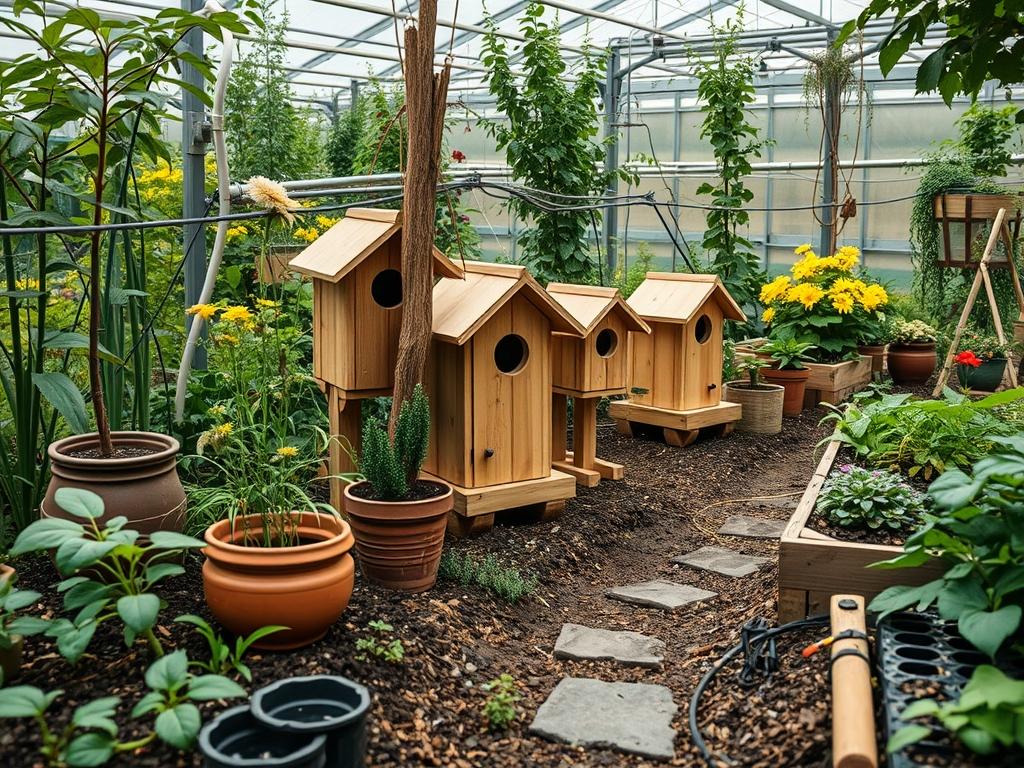
Modern landscape architecture transcends mere aesthetic appeal; it serves as a functional ecosystem that balances human recreation with ecological sensitivity. As residential development encroaches on natural habitats, the role of a private garden has shifted from a static viewed space to a vital corridor for biodiversity. Integrating Backyard Native Bee Hotels into a master plan is no longer just a trend for hobbyists but a sophisticated design choice that enhances the vitality of every plant on the property. These structures provide essential nesting sites for solitary bees, such as mason and leafcutter bees, which are roughly eighty times more efficient at pollination than honeybees. By installing these architectural elements, homeowners address the landscaping challenge of maintaining vibrant, self-sustaining floral displays while mitigating the impact of local habitat loss. A well-placed bee hotel improves curb appeal by signaling a thoughtful, high-end approach to environmental stewardship, creating a garden that feels lived-in and alive rather than sterile and artificial.
Landscape Design Principles
When incorporating Backyard Native Bee Hotels into a professional site plan, designers must consider the core principles of focal points and visual balance. These structures should not be hidden in a back corner; instead, they should serve as sculptural elements within a larger garden composition. Placing a tall, craftsman-style bee hotel at the end of a primary sightline can create a compelling focal point that draws the eye through the yard. Designers often utilize the concept of elevation layers to ensure the hotel is accessible to insects while remaining visible to humans. For instance, mounting the nesting box on a 4×4 pressure-treated post anchored at a height of 5 feet allows it to sit above the shrub layer but below the secondary tree canopy.
Symmetry and transition play a major role in the successful integration of these functional units. A bee hotel can be framed by a pair of Native Blue Star shrubs to create a formal, symmetrical vignette. Alternatively, it can be integrated into a rustic retaining wall built from natural ledge stone to provide a more organic, blended look. Walkway planning is equally critical; paths should lead near the nesting site to allow for observation, but not so close that the flight path is obstructed. Irrigation planning must also be precise. To protect the integrity of the nesting materials, automated drip irrigation emitters should be aimed away from the hotel structure to prevent moisture buildup and fungal growth, which can be detrimental to the developing larvae.
Plant and Material Selection
The following table outlines high-performance plant species and materials that complement the installation of Backyard Native Bee Hotels. These selections are prioritized based on their ability to provide nectar, pollen, or nesting materials.
| Plant Type | Sun Exposure | Soil Needs | Water Demand | Growth Speed | Maintenance Level |
| :— | :—: | :—: | :—: | :—: | :—: |
| Purple Coneflower | Full Sun | Well-Drained | Low | Medium | Low |
| Bee Balm | Full/Part Sun | Rich, Moist | Moderate | Fast | Medium |
| Wild Bergamot | Full Sun | Clay/Loam | Low | Fast | Low |
| Showy Goldenrod | Full Sun | Sandy/Loam | Low | Medium | Low |
| Joe Pye Weed | Full/Part Sun | Humus-Rich | High | Fast | Medium |
| Prairie Dropseed | Full Sun | Rocky/Dry | Low | Slow | Low |
| Swamp Milkweed | Full Sun | Wet/Muddy | High | Medium | Medium |
In addition to these plants, specific materials are required for the construction and installation of the hotel itself. Utilize untreated cedar or redwood for the outer frame because of its natural rot resistance and lack of toxic chemicals. For the internal nesting cavities, provide a variety of sizes using hollow bamboo reeds, natural paper straws, and kiln-dried pine blocks with holes drilled to depths of 6 inches. Avoid using precision-drilled plastic or resin materials, as these do not allow for the necessary breathability required for healthy bee development.
Implementation Strategy
The installation of Backyard Native Bee Hotels requires a systematic approach to site preparation and layout. Begin with a thorough analysis of the backyard’s grading and drainage. The hotel must be located in an area that does not collect standing water, as excess humidity will ruin the nesting tubes. Once the location is selected, typically a south-facing spot to maximize morning sun exposure, use a post-hole digger to create a hole 24 inches deep for the support structure. Secure the post with quick-setting concrete, ensuring the post is perfectly plumb using a 4-foot level.
Following the installation of the main support, address the surrounding ground cover to prevent weed encroachment and soil erosion. Apply a secondary layer of landscaping fabric around the base of the post, followed by a 3-inch layer of hardwood mulch or crushed granite. For a professional finish, use steel garden edging to create a crisp border between the pollinator-friendly flowerbed and the lawn. If the site has a slight slope, incorporate a small swale lined with river rock to divert surface runoff away from the nesting area. Finally, install the nesting blocks and tubes into the frame, ensuring they are recessed at least 1 inch to provide protection from driving rain.
Common Landscaping Failures
One of the most frequent mistakes in residential landscaping is improper drainage planning, which leads to soil saturation and root rot. In the context of Backyard Native Bee Hotels, poor drainage can cause the wooden nesting materials to swell and mold, rendering the hotel useless. Ensure that the site is graded at a minimum of a 2-percent slope away from the structure. Another common failure is improper spacing and root overcrowding. When planting the surrounding pollinator garden, gardeners often ignore the mature spread of plants like Russian Sage or Ninebark, resulting in a tangled mess that restricts airflow. This lack of circulation increases the risk of powdery mildew and prevents bees from easily navigating to the hotel.
Soil compaction is another silent killer of landscape health. Using heavy machinery during construction can crush the soil structure, preventing water and oxygen from reaching the roots of your pollinator plants. Before planting, use a broadfork or rototiller to alleviate compaction at a depth of 12 inches. Additionally, irrigation inefficiencies often plaque these projects. Overhead sprinklers that drench the front of the bee hotel can chill the bees and rot the larvae; always opt for a sub-surface drip system or precisely aimed micro-spray jets to keep the foliage hydrated without wetting the nesting site.
Seasonal Maintenance
Landscape management is a year-round commitment that changes with the cycles of the native bee life cycle. In the Spring, inspect the bee hotel for signs of emergence. Once the mud caps on the tubes are broken, it is time to clean or replace the nesting materials. This is also the period to apply a fresh 2-inch layer of mulch and prune back any dead perennial stalks that were left standing over the winter.
During the Summer, focus on hydration and deadheading. Ensure the drip irrigation system is functioning correctly during heatwaves. Deadheading plants like Blanket Flower will encourage a second flush of blooms, providing a continuous food source for the bees. In the Autumn, resist the urge to perform a total garden cleanup. Many native bees overwinter in the hollow stems of plants or in the leaf litter. Leave the fallen leaves in the flowerbeds to act as natural insulation for the soil and hibernating insects.
In the Winter, maintenance shifts to the hardscape. Check the stability of the bee hotel post after heavy winds or snow loads. Consider moving the nesting inserts to a cold, unheated garage or shed to protect them from extreme predators like woodpeckers, then return them to the outdoor frame in early spring. This seasonal rhythm ensures the long-term success of the installation and the health of the local ecosystem.
Professional Landscaping FAQ
Where is the best place to face a bee hotel?
Orient the hotel toward the south or southeast. This positioning ensures that the morning sun warms the bees and gives them the energy needed to begin foraging early in the day while providing protection from harsh afternoon winds.
How often should I replace the nesting tubes?
You must replace or clean nesting tubes every one to two years. This prevents the buildup of naturally occurring mites and fungal pathogens that can jump from one generation of bees to the next within the confined nesting space.
Will these bee hotels attract aggressive hornets?
Native solitary bees are not aggressive and rarely sting unless handled. Most social, stinging insects like yellowjackets prefer nesting in the ground or in large, papery aerial nests, rather than the small-diameter tubes provided in a bee hotel.
Can I paint the bee hotel to match my house?
You may paint the exterior frame of the hotel using low-VOC exterior paint for aesthetics. However, never paint or stain the actual nesting blocks, tubes, or the interior surfaces, as the chemical fumes are toxic to the bees.
What is the ideal hole diameter for native bees?
A diverse bee hotel should feature varied hole sizes ranging from 1/8 inch to 3/8 inch in diameter. This variety accommodates different species, such as tiny masked bees and larger mason bees, ensuring a broader impact on local biodiversity.