
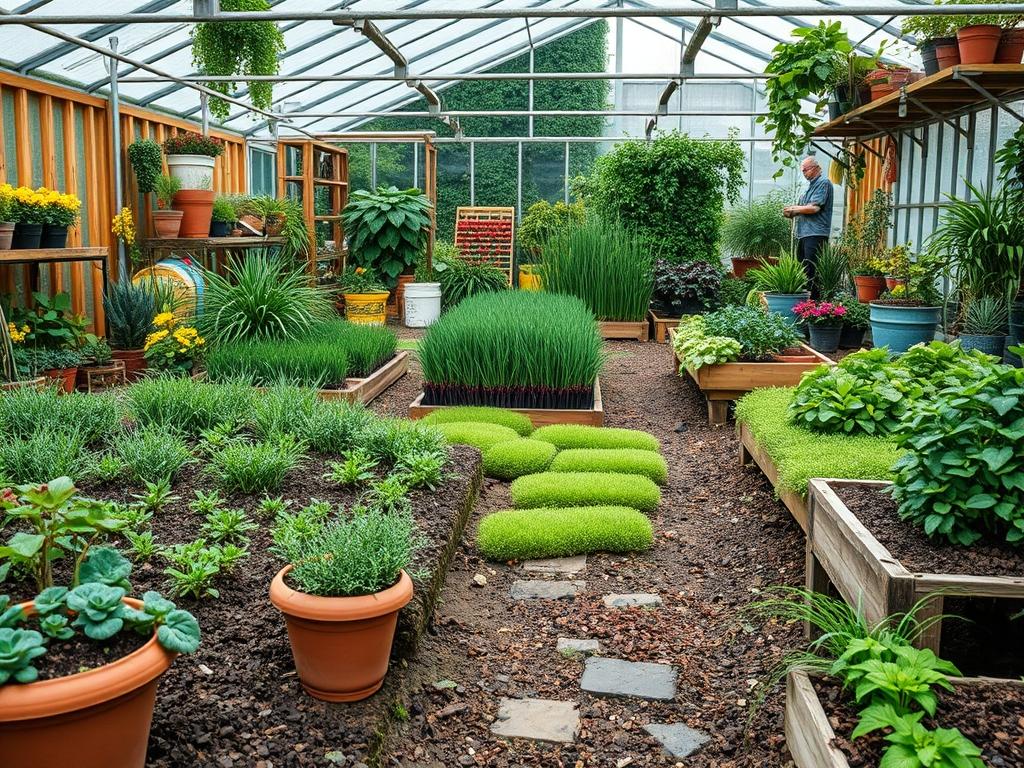
Maintaining a pristine outdoor environment often presents a direct conflict with the daily activities of energetic pets. For homeowners and estate managers, the challenge lies in balancing aesthetic curb appeal with the functional demands of high-traffic animals. Traditional turfgrass often fails under the pressure of repetitive paw traffic, nitrogen-rich waste, and enthusiastic digging. This degradation not only compromises the visual symmetry of a professional landscape but also leads to mud tracking, soil erosion, and costly seasonal reseeding. By prioritizing Dog-Friendly Turf Options, landscape architects can design a space that facilitates active play while maintaining the structural integrity of the site’s topography. These modern solutions address the intersection of soil science and drainage engineering, ensuring that a backyard remains a high-performing asset rather than a maintenance burden. Ultimately, the goal is to create a seamless transition between the built environment and the natural world, where durability does not come at the expense of luxury or ecological health.
Landscape Design Principles
Effective landscape design for pet-centric environments begins with the principle of spatial organization. Symmetry and focal points are not just for visual pleasure; they guide the movement of both people and animals. By using retaining walls and elevation layers, a designer can create a tiered effect that naturally discourages pets from sprinting across sensitive floral beds. These vertical shifts provide a sense of depth and can act as natural barriers. When integrating Dog-Friendly Turf Options, the placement of the lawn should be central or strategically tiered to allow for maximum visibility and safety.
Irrigation planning is another pillar of professional design. In a pet-friendly yard, the irrigation system must be more than a hydration tool for plants; it serves as a sanitation system for the turf. Smart controllers can be programmed to perform short “rinse cycles” in high-traffic zones to manage ammonia levels and keep surfaces cool. Furthermore, the inclusion of structured walkways using flagstone or pavers provides a clean path for foot traffic, reducing the amount of debris carried into the home. Visual balance is achieved by surrounding the durable turf areas with soft, textural plantings that provide a buffer against the hardscape elements, softening the overall architectural feel of the yard.
Plant and Material Selection
Selecting the right biological and synthetic components is essential for a resilient landscape. The following table outlines various materials and plants that complement a high-activity environment.
| Plant or Material Type | Sun Exposure | Soil Needs | Water Demand | Growth Speed | Maintenance Level |
| :— | :— | :— | :— | :— | :— |
| K9 Specialty Synthetic Turf | Full Sun | High Permeability | Very Low | N/A | Low |
| Bermuda Grass | Full Sun | Well-drained | Moderate | Fast | High |
| Tall Fescue | Partial Shade | Loamy | Moderate | Moderate | Moderate |
| Boxwood Shrub | Partial Sun | Well-drained | Moderate | Slow | Medium |
| Creeping Thyme | Full Sun | Gritty/Dry | Low | Moderate | Very Low |
| Microclover | Full Sun/Partial | Poor to Average | Low | Fast | Low |
Implementation Strategy
The successful installation of Dog-Friendly Turf Options requires a rigorous multi-step approach focused on sub-grade preparation. The process begins with grading, where the soil is sloped at a minimum of 2 percent away from the home’s foundation to prevent water pooling. Once the grade is established, an excavator is used to remove approximately 4 inches of native soil. This space is replaced with a specialized base layer consisting of crushed stone or decomposed granite, which provides the structural stability and drainage necessary for heavy use. Unlike standard lawns, pet-friendly synthetic options require a permeable backing, often made of urethane, to ensure liquid waste moves directly into the sub-base.
After the base is compacted using a vibratory plate compactor, the turf is rolled out and secured with 6-inch galvanized nails or specialized turf staples. For natural grass alternatives like Bermuda Grass, soil amendments such as gypsum and organic compost are integrated to improve aeration. Edging is then installed using steel or composite materials to create a crisp transition between the turf and the surrounding garden beds. These beds should be finished with a 3-inch layer of hardwood mulch or river rock to suppress weeds and maintain moisture for perimeter plants. This layered strategy ensures that the hardscaping and softscaping work in tandem to support the pet’s activity levels.
Common Landscaping Failures
The most frequent failure in pet-friendly landscaping is the neglect of subsurface drainage. High-density clay soils common in many regions will quickly become “dead zones” if they are not properly amended or bypassed with a drainage system. When liquid waste cannot permeate the soil, it sits on the surface, causing odors and attracting pests. Another common mistake is root overcrowding in perimeter beds. Designers often plant too many shrubs or native grasses too close together to achieve an “instant” look, which leads to competition for nutrients and eventual plant death.
Improper spacing also affects how pets interact with the yard. If paths are too narrow, dogs will often cut corners, destroying the edges of the lawn or crushing delicate plants. Soil compaction is perhaps the most insidious issue; repetitive running in a “track” pattern compresses the soil so tightly that oxygen can no longer reach the roots of natural grass. Finally, irrigation inefficiencies, such as over-watering or poor head placement, can lead to perpetually damp turf. This creates a breeding ground for fungi and makes the lawn susceptible to “divots” and tearing during play.
Seasonal Maintenance
Landscape management must adapt to the phenological changes of the seasons to protect the longevity of Dog-Friendly Turf Options. In the spring, the focus should be on deep cleaning. For synthetic turf, this involves using a power broom to lift the fibers and reapplying antimicrobial infill to manage odors. For natural lawns, spring is the time for core aeration to combat the soil compaction from a winter of play. It is also the ideal window to apply a pre-emergent herbicide to prevent weed encroachment in the mulch beds.
Summer maintenance centers on heat management and hydration. Synthetic surfaces can become hot in direct sun; therefore, integrated misting systems or simple hose rinsing is required to keep the surface comfortable for paws. During autumn, the primary task is the removal of organic debris. Fallen leaves must be cleared quickly with a leaf blower to prevent them from breaking down into the turf fibers or smothering natural grass. Winter requires a shift toward protection. In colder climates, avoid using harsh rock salt on walkways near the turf, as it can dehydrate the paws of pets and damage the chemical structure of synthetic materials. Instead, use pet-safe calcium magnesium acetate for ice melting.
Professional Landscaping FAQ
How do you prevent odors in synthetic pet turf?
Odors are managed through a combination of high-flow permeable backing and the application of antimicrobial infill. Regular rinsing with water and occasional use of enzymatic cleaners will break down urea crystals and maintain a fresh-smelling outdoor environment.
Will active dogs dig through artificial turf options?
Most professional-grade Dog-Friendly Turf Options are designed with a heavy-duty double-layered backing that is resistant to claws. When installed with proper perimeter edging and secured with galvanized nails, it becomes nearly impossible for dogs to find a starting point to dig.
Is synthetic turf safe for pets in high summer heat?
While synthetic materials absorb more heat than natural grass, many options now feature cooling technology that reflects infrared light. Homeowners can also use light-colored infill or periodic irrigation cycles to significantly lower the surface temperature during peak sun hours.
How does drainage work compared to a traditional lawn?
Synthetic turf for pets typically features a “hole-punched” or “100% permeable” backing. This allows liquid to pass through at a rate of over 30 inches per hour, which is significantly faster than most compacted natural soil profiles.
What is the lifespan of pet-specific turf in a high-traffic yard?
With proper maintenance and a high-quality crushed stone base, professional installations can last between 15 and 20 years. The longevity depends on the denier of the yarn and the frequency of “grooming” to keep the fibers upright.