
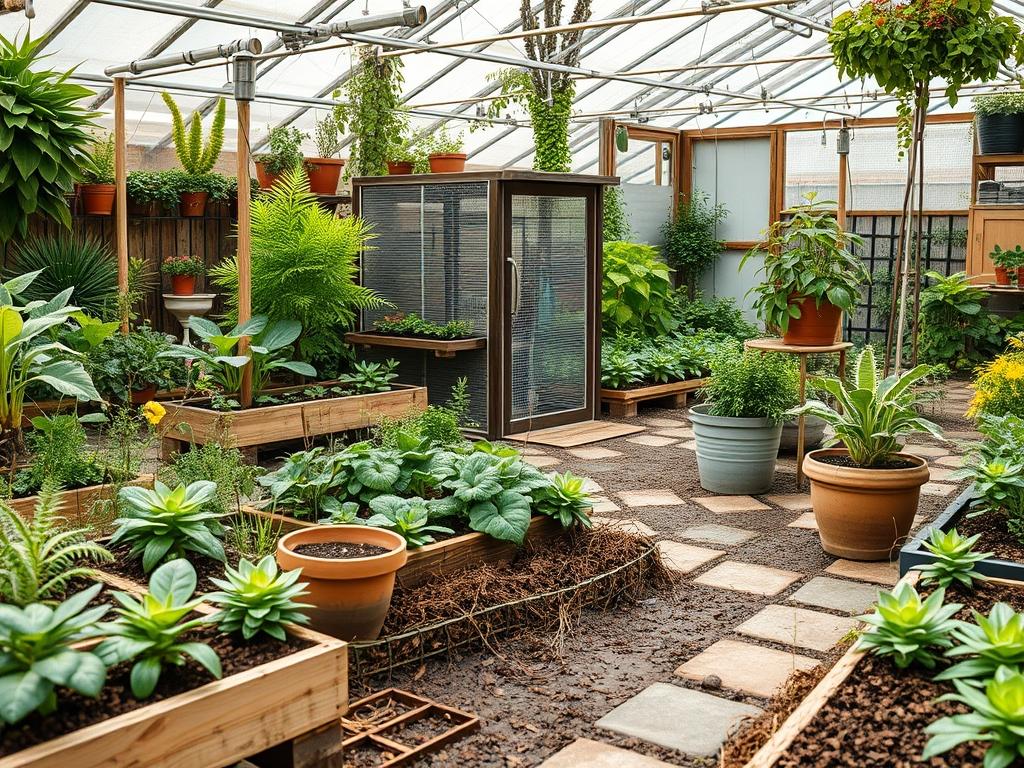
Designing a sophisticated outdoor environment requires a delicate balance between aesthetic perfection and functional utility. When the project includes the specific requirement of Cat-Safe Garden Enclosures, the complexity increases as we must harmonize structural containment with high-end horticultural design. This landscaping challenge involves more than just erecting a fence or a mesh screen; it necessitates an integrated approach where the enclosure becomes a seamless extension of the home architecture and the existing ecosystem. We must consider local climate variables such as prevailing winds and sun exposure to ensure the space remains comfortable for both the feline occupants and the human observers. A well-executed design enhances curb appeal through the use of tiered plantings and high-quality materials, transforming a functional cage into a luxury garden feature that adds value to the property.
Landscape Design Principles
Successful Cat-Safe Garden Enclosures rely on the same fundamental principles used in large-scale estate planning. Symmetry and visual balance are achieved by aligning the enclosure lines with the window frames or roofline of the primary structure. We view the enclosure as a series of elevation layers. The ground plane features hardy groundcovers and walking paths, while the vertical plane utilizes climbing structures that double as architectural focal points.
Verticality is essential for feline enrichment, but it must be executed with intentionality. We incorporate built-in perches and walkways using Western Red Cedar or Powder-coated aluminum to create a multi-layered environment. These structures should lead the eye toward a primary focal point, such as a sculptural water feature or a specimen tree located just outside the mesh to provide visual interest without compromising security. Irrigation planning is critical at this stage. We must ensure that the moisture needs of the interior plants are met through Drip irrigation systems hidden beneath the surface, preventing the structural supports from being subjected to constant overspray, which can lead to rot or corrosion over time.
Plant and Material Selection
Selecting the right flora for an enclosed space requires a strict adherence to non-toxic species. We must avoid common landscape staples like lilies, azaleas, or sago palms, which pose significant health risks. The following table outlines high-performance, feline-friendly options that provide texture and color while thriving in controlled environments.
| Plant Type | Sun Exposure | Soil Needs | Water Demand | Growth Speed | Maintenance |
| :— | :— | :— | :— | :— | :— |
| Nepeta cataria (Catnip) | Full Sun | Well-drained | Moderate | Fast | Moderate |
| Chlorophytum comosum (Spider Plant) | Partial Shade | Loamy | Medium | Fast | Low |
| Avena sativa (Cat Grass) | Full Sun | Moist/Rich | High | Rapid | High |
| Lavandula angustifolia (Lavender) | Full Sun | Sandy/Alkaline | Low | Moderate | Pruning Required |
| Polystichum munitum (Western Sword Fern) | Full Shade | Humus-rich | High | Moderate | Low |
| Zinnia elegans (Zinnia) | Full Sun | Well-drained | Moderate | Fast | Deadheading required |
For hardscaping materials, we prioritize durability and paw comfort. Bluestone pavers provide a cool surface in the summer, while Smooth river stones can be used as a decorative mulch that cats are unlikely to use as a litter box. To secure the perimeter, 16-gauge galvanized steel mesh with a 1-inch by 1-inch opening provides the necessary strength to resist predators while remaining nearly invisible from a distance.
Implementation Strategy
The construction of Cat-Safe Garden Enclosures begins with a comprehensive site survey and grading plan. We must ensure the ground slopes away from the residence at a minimum of 2 percent to prevent hydrostatic pressure and moisture accumulation against the foundation. Once the grade is established, we use a Rotary laser level to mark the post locations.
The first step is the installation of the structural framework. We excavate post holes to a depth of 24 inches or below the local frost line, securing them with High-strength concrete. Once the frame is cured, we install the Pressure-treated baseboards which serve as the primary edging. This prevents the cat from digging under the enclosure and provides a clean line for the 3-inch mulch layer.
After the structure is secure, we address the interior layout. We install French drains if the site has poor percolation, covering them with decorative Pea gravel. Planting locations are then amended with Organic compost to a depth of 12 inches. When installing the mesh, we use Stainless steel staples or Heavy-duty zip ties every 6 inches to ensure there are no gaps. Finally, we finish the interior with elevated walkways made of Composite decking which offers a splinter-free surface for feline movement.
Common Landscaping Failures
One of the most frequent errors in designing Cat-Safe Garden Enclosures is a failure to account for proper drainage. When an enclosure is built over a flat patio or a low-lying area, water can pool at the base of the mesh, leading to soil acidification and the eventual death of interior plants. This stagnant water also attracts insects and creates an unhygienic environment for the cats.
Another common pitfall is root overcrowding. In the desire to create an instant “jungle” look, many designers plant too many species in a confined space. This leads to intense competition for nutrients and water, resulting in stunted growth and increased susceptibility to pests. Improper spacing also inhibits airflow, which is a primary cause of powdery mildew on plants like Catnip or Zinnia.
Soil compaction is a hidden killer in cat-specific gardens. Constant feline traffic along specific paths compresses the soil, crushing the macropores that allow oxygen to reach the roots. We mitigate this by defining clear walkways using Flagstone or Mulch, directing traffic away from the sensitive root zones of specimen plants. Lastly, many enclosures fail because of irrigation inefficiencies where the manual watering schedule does not account for the rain-shadow effect created by the enclosure’s roof or the house’s eaves.
Seasonal Maintenance
A professional-grade landscape requires a structured maintenance calendar to preserve its integrity. In the spring, the focus is on soil rejuvenation and debris removal. We apply a Slow-release nitrogen-rich fertilizer to the planting beds and inspect the structural posts for any winter heave or shifting. This is also the time to prune any overhanging branches from nearby trees that could provide a jumping point for predators onto the roof of the enclosure.
Summer maintenance centers on water management. As temperatures rise, the evaporation rate increases, necessitating a check of the Drip emitters to ensure they are not clogged by mineral deposits. We also perform regular deadheading of flowering plants to encourage continuous blooming.
Autumn is the season for structural inspections. We check the tension of the Steel mesh and tighten any fasteners that may have loosened during the heat of the summer. We also clear fallen leaves from the enclosure roof to prevent weight accumulation and moisture trapment.
In winter, the goal is protection. If you live in a climate with heavy snowfall, use a Soft-bristled broom to clear the top of the enclosure to prevent the mesh from sagging. We also winterize the irrigation system by blowing out the lines with Compressed air to prevent cracks from freezing.
Professional Landscaping FAQ
How do I prevent my cat from digging in the garden beds?
Install a 1/2-inch plastic garden mesh just below the surface of the soil. This allows plants to grow through while providing a tactile deterrent that prevents felines from digging. Covering the soil with Large river stones also effectively discourages this behavior.
What is the best way to clean the enclosure surfaces?
Use a solution of mild dish soap and warm water with a Soft-scrub brush. Avoid harsh chemicals or bleach, which can damage the finish of the Powder-coated aluminum and pose a toxic risk to your pets and the surrounding flora.
Can I include a water feature in a cat-safe enclosure?
Yes, provided it features a Recirculating pump and shallow basins. Ensure the water is filtered or changed regularly. Use Tumbled stones to create a gradual entry, preventing any accidental slips while providing a safe drinking source for the inhabitants.
Which mulch is safest for a feline-centric landscape?
Natural cedar mulch is the premium choice. It is naturally pest-resistant and does not contain the dyes found in cheaper black or red mulches. Avoid cocoa mulch, which contains theobromine and is toxic to cats if ingested in significant quantities.
How high should the enclosure walls be?
For a completely contained system, the walls should reach the roof of the structure. If the enclosure is open-topped, the walls must be at least 8 feet high with an inward-curving Oscillating cat fence at the top to prevent escape and entry.