
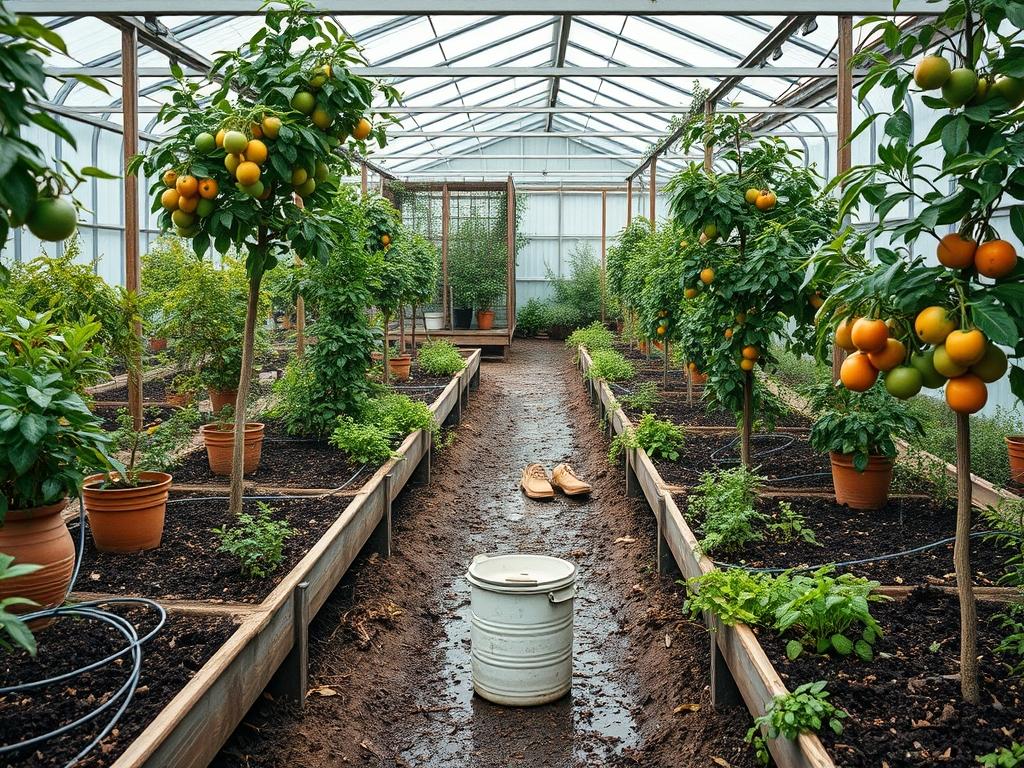
Maximizing the utility of a limited outdoor footprint requires a strategic shift from traditional sprawling orchards to intensive, high-density landscape architecture. In small contemporary backyards, every square foot must serve multiple purposes, blending aesthetic appeal with functional productivity. The integration of Dwarf Fruit Tree Varieties allows homeowners to achieve a lush, layered environment without the structural risks associated with full-scale timber. These compact cultivars are grafted onto specific rootstocks that limit their vertical reach, typically capping growth between 8 to 10 feet in height. This manageable scale prevents the canopy from overshadowing existing subterranean infrastructure or encroaching upon neighboring property lines. From a professional design perspective, these trees provide essential vertical interest, act as living privacy screens, and enhance curb appeal through seasonal transitions of blossoms and fruit.
Success in small-scale orcharding hinges on understanding the microclimates within your site. Factors such as heat radiation from retaining walls, wind tunnels created by narrow side yards, and soil moisture retention dictates the longevity of your investment. A well-planned edible landscape does more than just produce food; it establishes a sense of place and permanence. By selecting the right varieties, a landscape architect can transform a sterile patio perimeter into a vibrant, multi-sensory retreat that increases the overall market value of the home. Functional landscaping seeks to balance these harvests with the technical requirements of drainage, irrigation, and soil pH management.
Landscape Design Principles
Effective small-space design relies on the principles of symmetry and focal points to create a sense of order. When placing Dwarf Fruit Tree Varieties, we utilize them as structural anchors within a larger garden composition. Creating a visual “anchor” at the corner of a low-profile deck or framing an entryway with a pair of dwarf citrus trees creates an immediate sense of intention. We often employ the concept of elevation layering, where the fruit trees represent the mid-tier canopy, positioned behind low-lying perennials but in front of vertical elements like fencing or trellises.
Walkways and circulation paths must be considered during the initial planning phase. A common mistake is placing a fruit tree so close to a path that dropping fruit creates a slip hazard or attracts unwanted pests near high-traffic areas. We recommend a minimum offset of 4 feet from the center of the trunk to the edge of any primary paver or concrete walkway. This spacing accommodates the mature drip line of the tree while allowing for easy maintenance access. Furthermore, visual balance is achieved by repeating certain colors or textures. For instance, the glossy leaves of a Meyer Lemon can be echoed by nearby evergreen shrubs, creating a cohesive green backdrop that persists even when the fruit is out of season.
Irrigation planning is perhaps the most critical technical component. Small backyards often suffer from soil compaction or poor natural drainage due to construction debris. We design customized drip irrigation systems that deliver water directly to the root zone, reducing evaporative loss and preventing the fungal issues associated with overhead watering. By grouping trees with similar water demands into specific “hydro-zones,” we ensure each specimen receives the precise volume of moisture required for fruit swelling without over-saturating the soil.
Plant and Material Selection
| Plant Type | Sun Exposure | Soil Needs | Water Demand | Growth Speed | Maintenance Level |
| :— | :— | :— | :— | :— | :— |
| Honeycrisp Apple (Dwarf) | Full Sun | Well-drained Loam | Moderate | Medium | High (Pruning) |
| Meyer Lemon | Full Sun | Acidic, Sandy | High | Fast | Moderate |
| Stella Cherry (Dwarf) | Full Sun | Deep, Fertile | Moderate | Medium | Moderate |
| Bonanza Peach | Full Sun | Sandy Loam | Moderate | Slow | Low |
| Celeste Fig | Full/Partial | Versatile/Rich | Low | Fast | Low |
| Garden Annie Apricot | Full Sun | Well-drained | Moderate | Medium | Moderate |
| Fuyu Persimmon (Dwarf) | Full Sun | Loamy/Neutral | Moderate | Slow | Low |
| Bearss Lime | Full Sun | Well-drained | High | Fast | Moderate |
| Conference Pear (Dwarf) | Full/Partial | Moisture-retentive | Moderate | Medium | Moderate |
| Snow Queen Nectarine | Full Sun | Well-drained | Moderate | Medium | High |
| Dancy Tangerine | Full Sun | Neutral/Rich | Moderate | Medium | Moderate |
| Anna Apple | Full Sun | Loam | Moderate | Fast | Moderate |
Implementation Strategy
The transition from a design concept to a finished landscape requires a disciplined implementation strategy. The process begins with site grading to ensure that water moves away from the home foundation and toward designated drainage basins or swales. For fruit trees, we often recommend slightly mounding the planting area to prevent “wet feet,” an architectural technique that elevates the root ball above the surrounding grade by approximately 3 to 5 inches.
Once grading is complete, we mark the placement of each tree using landscape marking paint. The planting holes should be dug twice as wide as the root ball but no deeper, as burying the graft union will result in the tree losing its dwarf characteristics. We incorporate high-quality organic compost into the backfill to improve soil structure, though we avoid excessive fertilization during the initial planting to prevent root burn.
The application of mulch is an essential step often overlooked by DIY gardeners. We specify a 3-inch layer of shredded hardwood or arborist wood chips, maintaining a gap of 2 inches between the mulch and the tree trunk to prevent rot. This layer suppresses weeds, regulates soil temperature, and slowly adds nutrients back into the ecosystem. Finally, edge the planting beds with steel edging or Belgian block to create a clean, professional aesthetic that separates the orchard zone from the turf or hardscape.
Common Landscaping Failures
One of the most frequent failures in small-scale landscaping is improper spacing, which leads to root overcrowding and competition for resources. When Dwarf Fruit Tree Varieties are planted too closely to retaining walls or building footings, the expanding root systems can exert pressure on the structures, leading to costly masonry repairs. Additionally, poor sunlight assessment often results in stunted growth; fruit trees generally require a minimum of 6 to 8 hours of direct solar exposure to produce sugar-rich fruit.
Soil compaction is another silent killer in urban environments. Heavy foot traffic or the use of heavy machinery during construction can crush the air pockets within the soil, suffocating the roots. We mitigate this through professional aeration and the addition of expanded shale or perlite to improve porosity. Furthermore, many novice landscapers fail to account for “chilled hours,” which is the amount of cold weather a tree needs to break dormancy. Selecting a variety that is not suited for your specific USDA hardiness zone will result in a tree that looks healthy but never produces flowers or fruit.
Seasonal Maintenance
A professional-grade landscape requires a structured maintenance calendar to ensure the health of the specimens. In the Spring, the focus is on fertilization and pest prevention. We apply a balanced 10-10-10 fertilizer just as the buds begin to swell. This is also the time to inspect for aphid infestations and apply neem oil if necessary. Thinning the fruit is a critical professional step during late spring; by removing excess fruit, you ensure that the remaining produce reaches an optimal size and prevent heavy branches from snapping.
During the Summer, irrigation management becomes the primary task. As temperatures rise, we increase the frequency of delivery via the drip system, ensuring the soil remains moist but not waterlogged. In the Autumn, we focus on sanitation. Removing fallen fruit and spent leaves prevents pathogens from overwintering in the soil. Finally, Winter is the season for structural pruning. While the trees are dormant, we use bypass pruners and loppers to remove crossing branches and maintain an open center. This allows for maximum sunlight penetration and airflow when the growing season resumes.
Professional Landscaping FAQ
How much space does a dwarf fruit tree really need?
While the canopy may only reach 8 feet, you should plan for a 10-foot diameter circle of space. This accounts for the root spread and allows for essential air circulation between the tree and adjacent structures or fencing.
Can I grow these varieties in large containers or pots?
Yes, most Dwarf Fruit Tree Varieties thrive in containers of at least 20 gallons. Ensure the pots have excellent drainage and use a high-quality potting mix rather than garden soil to prevent compaction and ensure proper root oxygenation.
Is specialized soil required for fruit production?
Most fruit trees prefer a loam soil with a neutral to slightly acidic pH. Testing your soil before planting is essential. Adding elemental sulfur can lower pH for citrus, while lime can raise it for stone fruits.
Do I need two different trees for pollination?
It depends on the cultivar. Many dwarf varieties are self-fertile, meaning they produce fruit alone. However, even self-pollinating trees often produce a significantly higher yield when a second, compatible variety is planted nearby to assist in cross-pollination.
What is the best way to prevent fruit tree pests?
Integrated Pest Management is the professional standard. Start with dormant oil in late winter to kill overwintering eggs. Encourage beneficial insects like ladybugs and use organic sprays only when a specific infestation exceeds an acceptable threshold for plant health.