
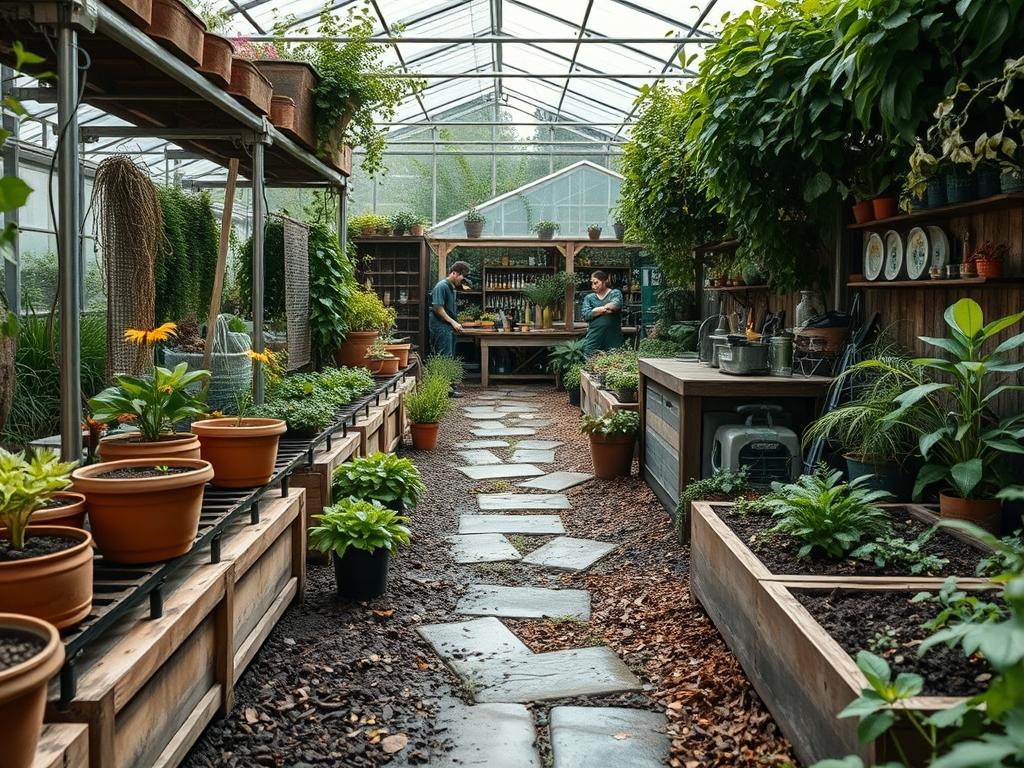
Integrating a social structure into a domestic garden requires more than just a level surface and a set of stools. Successful outdoor bar construction hinges on the synergy between architectural utility and the natural environment. As a landscape architect, I view the bar not as an isolated piece of furniture, but as a transitional anchor that bridges the gap between the interior living space and the wilder elements of the backyard. The challenge lies in balancing the desire for an entertaining hub with the harsh realities of local climates, soil stability, and long term horticultural health. A poorly placed bar can disrupt the natural flow of foot traffic or, worse, create water runoff issues that damage the home foundation. By approaching this project through the lens of environmental design, we ensure the structure enhances curb appeal while remaining functional through every season.
Landscape Design Principles
Effective outdoor bar construction begins with the principle of symmetry and the establishment of focal points. The bar should naturally draw the eye without overwhelming the existing garden rhythm. If your yard lacks a central axis, consider aligning the bar with a primary window or a sliding glass door. This creates a visual corridor that makes the outdoor space feel like an extension of the kitchen. Elevation layers are equally critical. Using a multi-tiered approach, such as placing the bar on a raised Flagstone patio or a slightly elevated Pressure-Treated Wood deck, creates a sense of separation from the lawn. This subtle change in height defines the social zone without the need for restrictive walls.
Irrigation planning must precede any actual construction. You must map out all underground lines to ensure the bar foundation does not crush existing pipes or block access to sprinkler heads. Furthermore, visual balance is achieved by mirroring the height of the bar with surrounding greenery. If the bar features a high-profile Granite countertop, soft, mid-sized shrubs can help ground the structure. Walkways also play a functional role; they should be at least 36 inches wide to allow for comfortable guest movement. Using permeable materials like Crushed Limestone or Decomposed Granite for these paths ensures that rainwater infiltrates the soil rather than pooling around the base of the bar.
Plant and Material Selection
Selecting the right flora and hardscape materials is vital for durability and aesthetic cohesion. The plants surrounding the bar should be low-litter species to prevent leaves or sap from landing on food preparation surfaces.
| Plant Type | Sun Exposure | Soil Needs | Water Demand | Growth Speed | Maintenance Level |
| :— | :— | :— | :— | :— | :— |
| English Boxwood | Full Sun to Shade | Well-Drained | Moderate | Slow | Low |
| Lavender | Full Sun | Sandy/Gravelly | Low | Medium | Low |
| Blue Star Creeper | Partial Sun | Moist/Loamy | High | Fast | Medium |
| Dwarf Fountain Grass | Full Sun | Adaptable | Low | Fast | Low |
| Japanese Maple | Partial Shade | Slightly Acidic | Moderate | Slow | Medium |
| Tall Fescue | Full Sun | Loamy/Clay | Moderate | Fast | Medium |
For the hardscaping, use Leveling Sand and Compactable Gravel as a base. These materials provide the necessary stability for heavy stone or wood structures while allowing for minor shifts in the earth. If you are building near the coast, prioritize 316-Grade Stainless Steel hardware to resist salt air corrosion.
Implementation Strategy
The implementation phase begins with a rigorous grading plan. You must ensure the ground slopes away from the bar at a rate of at least 2 percent to prevent standing water. Use a Laser Level to verify the pitch across the entire site. Once the grade is established, the footprint of the bar is excavated to a depth of roughly 8 inches. This allows for a 4-inch layer of 3/4-inch Minus Gravel and a 2-inch layer of sand, providing a frost-resistant foundation.
Edging is the next priority. Use Steel Edging or Paver Restraints to create a crisp boundary between the bar area and the garden beds. This prevents grass from encroaching on the bar floor and keeps mulch from washing away during heavy rains. For the garden beds themselves, keep Wood Chip Mulch at a depth of 3 inches to suppress weeds and retain moisture for the surrounding plants. If the bar includes a sink, professional drainage integration is non-negotiable. Connect the gray water outlet to a dedicated Dry Well or a subterranean drainage pipe that leads to a lower part of the property, ensuring it complies with local building codes.
Common Landscaping Failures
The most frequent mistake in outdoor bar construction is neglecting soil compaction. If the subgrade is not properly packed using a Power Tamper, the bar will eventually settle unevenly. This leads to cracked countertops and misaligned cabinet doors. Another common failure is improper plant spacing. It is tempting to plant densely for immediate privacy, but this leads to root overcrowding. Within three years, the roots of large shrubs can push against the bar foundation, causing structural heaving. Always research the mature spread of a plant before digging.
Irrigation inefficiencies also plague DIY projects. If headers are not relocated during construction, guests might find themselves being sprayed by an automated system mid-party. Furthermore, failing to account for “splash-back” from roof runoff can lead to soil erosion at the base of the bar. Installing a decorative River Rock border around the perimeter can catch falling water and dissipate its energy, protecting the surrounding mulch and plant roots from being washed away.
Seasonal Maintenance
Landscape management is a year-round commitment that changes with the cycles of the environment. In the spring, the focus should be on soil aeration and refreshing the Double-Shredded Bark Mulch. This is the time to check the irrigation system for leaks or clogged nozzles that might have suffered during the frost. Use a Hand Trowel to remove any winter weeds that established themselves in the dormant season.
Summer requires vigilant water management, especially for plants located near the bar which may experience higher heat reflection from stone surfaces. Deep watering in the early morning is most effective. As autumn arrives, clean all organic debris from the bar tops and gutters. Leaves left to rot on Cedar or Teak surfaces can cause permanent staining. Finally, in the winter, protect any sensitive stonework from freeze-thaw cycles by applying a high-quality Siloxane Sealer. If the bar is in a snowy climate, avoid using rock salt on nearby paths, as the runoff will alter the soil pH and damage the health of your perimeter plantings.
Professional Landscaping FAQ
How do I choose the best location for an outdoor bar?
Prioritize a level area with natural wind protection. Ensure there is easy access to home utilities while maintaining a 10-foot clearance from flammable structures or overhanging tree limbs to ensure safety and longevity.
What is the best way to handle bar drainage?
Install a French Drain or a subterranean pipe system that directs liquid waste to a dry well. Never allow gray water to pool near the foundation, as this leads to soil instability and unpleasant odors.
Can I build an outdoor bar directly on grass?
No. Building on turf leads to sinking and wood rot. You must remove the sod, excavate, and install a compacted base of Crushed Stone or a concrete pad to provide a stable, permanent footprint.
Which plants provide the most privacy for a bar area?
Columnar Evergreens or tall grasses like Karl Foerster are excellent choices. They provide vertical density and year-round screening without the aggressive root systems that could potentially threaten the bar’s structural integrity or foundation.
How do I prevent my bar area from becoming a mud pit?
Use permeable hardscaping like Pea Gravel or open-cell pavers. Combine this with a professional grading plan that directs water toward a rain garden or drainage swale, keeping the social area dry and accessible.