
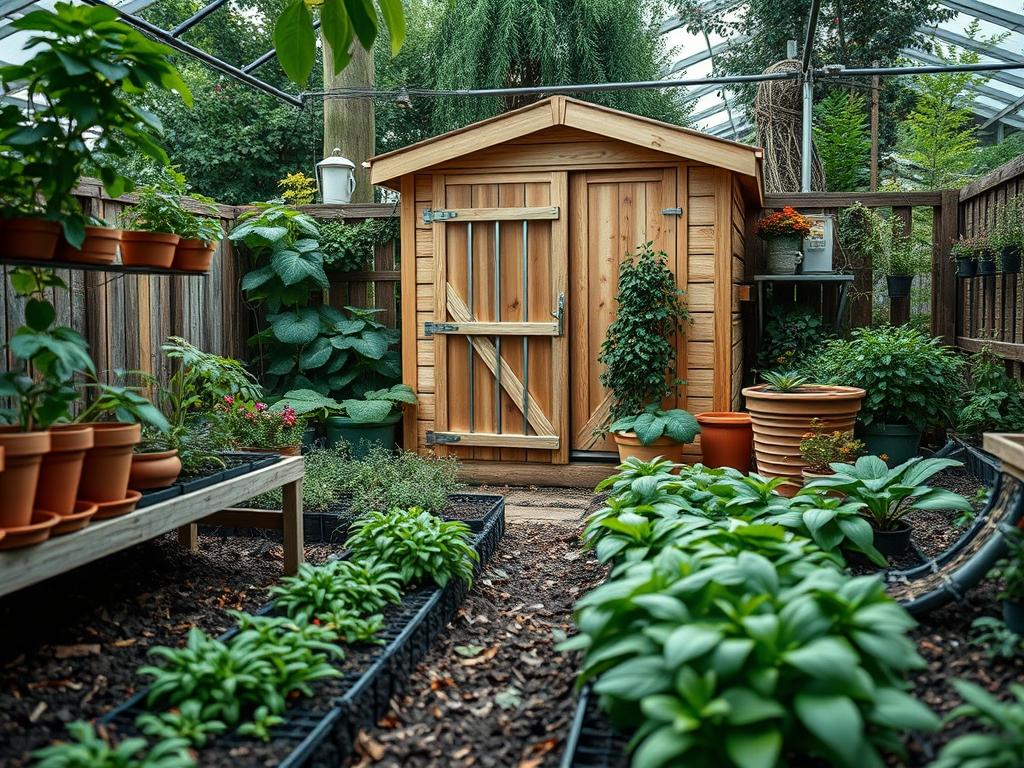
The integration of a functional outbuilding into a residential landscape requires a sophisticated understanding of spatial dynamics and environmental stressors. A shed is not merely a box for storing tools; it is a significant architectural element that alters the drainage patterns, sun exposure, and traffic flow of your property. Achieving the best results with backyard storage shed tips involves more than just interior shelving. It requires a holistic view of how the structure sits within the site, how it interacts with the soil, and how it impacts the overall curb appeal of the home. Climate considerations play a massive role in this planning phase. In humid regions, air circulation around the structure is paramount to prevent rot, while in arid environments, the proximity of combustible materials and the choice of shade-providing plants take precedence. Professional landscape architects view the shed as an anchor point that should seamlessly transition from the built environment to the natural garden.
Landscape Design Principles
Effective landscape design for an outbuilding relies on the principle of visual balance. A large shed placed in a small corner can feel heavy and intrusive if not balanced by vertical elements such as trees or structures like a Pergola. Symmetry is another tool used by professionals to create a sense of order. By flanking the entrance of the shed with identical Large Planters or symmetrical shrub beds, you draw the eye toward the center, making the structure feel intentional rather than an afterthought. If symmetry does not suit the garden style, an asymmetrical approach can work by using different plant heights to create a soft, diagonal line that leads the eye toward the primary residence.
Elevation layers are critical when the backyard is not perfectly flat. Instead of simply plopping a shed on a slope, experts use Retaining walls made of Natural stone or Pressure-treated timber to create a level terrace. This practice prevents soil erosion and manages the hydrostatic pressure that can build up behind the foundation. Irrigation planning must account for the new “roof footprint.” A shed increases the amount of impermeable surface in your yard, which means rain will run off the roof in concentrated streams. Directing this water via Gutters or a French drain ensures that your walkways and planting beds do not become oversaturated during heavy storms.
Walkways serve as the connective tissue between the shed and the main house. A path should be at least 36 inches wide to allow for the easy movement of a Wheelbarrow or Lawn mower. Using materials like Pavers, Flagstone, or Crushed gravel provides a stable surface that prevents soil compaction. Careful consideration of sightlines ensures that the shed functions as a focal point or, conversely, is tucked away behind a screen of Evergreens to maintain a minimalist aesthetic in the central lawn.
Plant and Material Selection
The following table outlines plants and materials that are particularly effective for landscape integration near storage structures.
| Plant Type | Sun Exposure | Soil Needs | Water Demand | Growth Speed | Maintenance Level |
| :— | :— | :— | :— | :— | :— |
| Boxwood | Full Sun to Part Shade | Well-drained, Loamy | Moderate | Slow | Medium (Requires Pruning) |
| Lavender | Full Sun | Sandy, Alkaline | Low | Medium | Low |
| Hostas | Full Shade to Part Shade | Rich, Organic | High | Medium | Very Low |
| Creeping Thyme | Full Sun | Well-drained, Poor | Low | Fast | Low |
| Dwarf Fountain Grass | Full Sun | Adaptable | Low to Moderate | Fast | Low (Cut back in Spring) |
| Holly | Full Sun to Part Shade | Slightly Acidic | Moderate | Slow to Medium | Low |
Selecting the right materials extends beyond plants. For the base or the immediate perimeter of the shed, use River Rock or Pea Gravel. These materials allow for excellent drainage and prevent mud from splashing against the siding. Avoid using high-nitrogen fertilizers directly against a wooden shed, as the moisture retention in the soil can accelerate wood decay.
Implementation Strategy
The first step in any backyard project is grading. Use a Transit level or a simple String level to determine the slope of the site. The ground should historically slope away from the shed base at a rate of at least 1 inch of drop for every 1 foot of distance for the first 10 feet. If the area is naturally low-lying, you must build up the pad using a sub-base of 2A Modified Stone or Crushed concrete to elevate the structure above the water table.
Once the site is graded, install the foundation. For most medium-sized sheds, a Gravel pad that is 12 inches wider than the shed on all sides is ideal. This perimeter prevents grass and weeds from growing directly against the walls, which facilitates air circulation. After the shed is placed, install Edging made of Aluminum or Heavy-duty plastic to define the borders between the gravel base and the surrounding lawn or garden beds.
When it comes to mulch, depth is vital. Apply a 3-inch layer of Hardwood mulch or Pine bark to the surrounding garden beds. This layer retains moisture for the plants but should be kept at least 6 inches away from any wooden structural members of the shed to prevent wood-destroying insects from gaining easy access. Drainage should be finalized by installing a Dry well or a Rain garden at the end of the downspouts to manage runoff effectively.
Common Landscaping Failures
One of the most frequent mistakes in backyard organization is placing the shed in a low spot without adequate drainage intervention. This results in the foundation sinking and the doors becoming misaligned over time. Soil compaction is another silent killer. Heavy foot traffic around a shed without a designated path will crush the soil structure, leading to poor plant growth and standing water.
Root overcrowding occurs when homeowners plant large trees too close to the structure. As the tree matures, the Root flare can exert enough force to crack a concrete pad or heave a gravel base. Improper spacing also leads to fungal issues; if plants are too close to the shed walls, they trap humidity, leading to mildew on both the leaves and the siding. Irrigation inefficiencies often arise when automated Sprinkler heads are not repositioned after the shed is installed, causing the water to spray directly onto the building, which can rot the trim and siding within a few seasons.
Seasonal Maintenance
Spring is the time for structural inspection and soil preparation. Check the Gravel base for settling and top it off if necessary. Clear out any debris from Gutters and check for signs of winter damage on the plants. This is the ideal window to apply a pre-emergent herbicide to the gravel perimeter to stop weed growth before it starts.
Summer maintenance focuses on hydration and growth control. Use a Soaker hose for new plantings around the shed to ensure water reaches the roots without wetting the structure. Prune any aggressive vines or shrubs that might be touching the siding, as these can provide a bridge for ants and termites.
Autumn is the season for drainage management. As leaves fall, they can clog the drainage gaps between the shed and the ground. Clear these areas to maintain airflow. This is also the best time to apply a fresh layer of Mulch to protect plant roots from the upcoming frost.
Winter requires careful snow management. If you live in a snowy climate, do not pile snow against the walls of the shed when clearing paths. The constant freeze-thaw cycle can force moisture into the smallest cracks. Periodically check the roof for ice dams, especially if the shed is heated or contains insulation that might create temperature variances.
Professional Landscaping FAQ
How far should my garden beds be from the shed?
Maintain a gap of at least 12 inches between the shed siding and any vegetation. This prevents moisture buildup, limits pest access, and allows room for maintenance tasks like painting or repairing the exterior of the structure.
What is the best material for a shed walkway?
Permeable pavers or Crushed stone are superior choices. They provide a stable, slip-resistant surface for heavy equipment while allowing rainwater to infiltrate the soil, which reduces runoff and prevents the surrounding area from becoming a muddy swamp.
Can I plant trees near my storage shed?
Only plant small ornamental trees or large shrubs. Ensure the expected Canopy diameter at maturity will not overhang the roof. Root systems should be kept at least 10 feet away from the foundation to prevent structural shifting and damage.
How do I stop weeds from growing around the base?
Install a high-quality Landscaping fabric over the soil before laying down 4 inches of Compactable gravel. Use a permanent border like Steel edging to keep the gravel contained and prevent grass from encroaching into the utility area.
Does a shed impact my lawn irrigation system?
Yes, a shed creates a rain shadow where natural precipitation cannot reach the grass. You must adjust your Sprinkler zones to account for this dry patch and ensure that water is not being wasted by hitting the shed walls.