
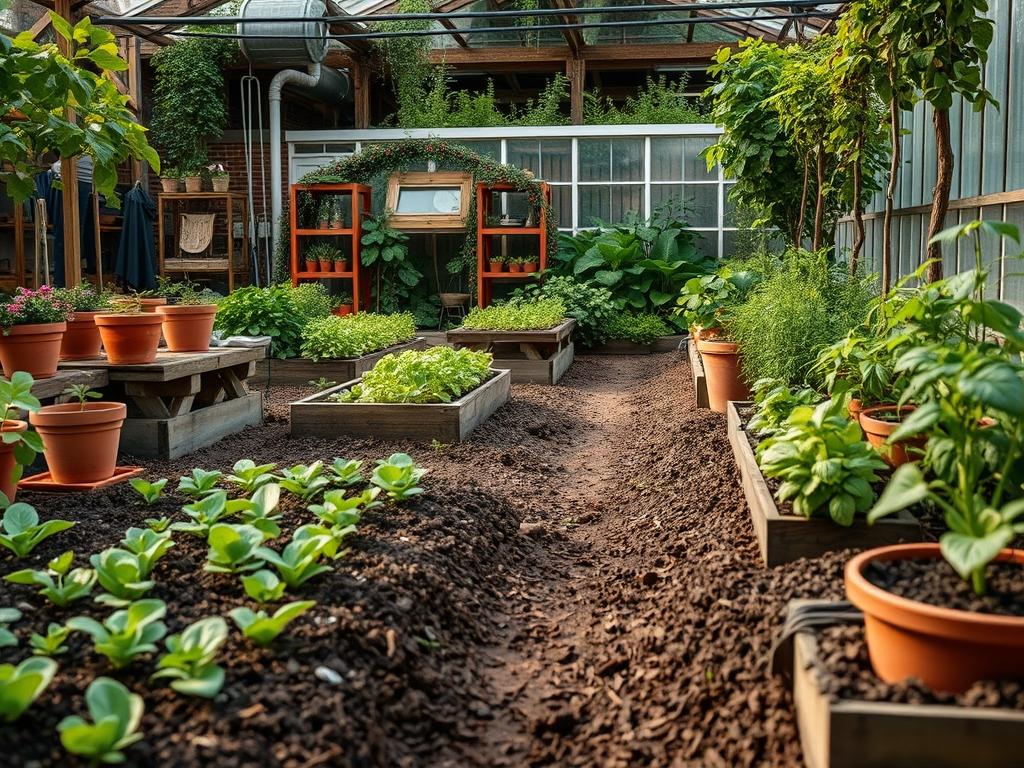
Designing a high-end residential landscape requires the reconciliation of aesthetic perfection with the lived reality of the inhabitants, including domestic animals. For homeowners with dogs, the primary conflict often arises from the natural canine instinct to excavate. Rather than fighting these biological drives, a sophisticated landscape architect incorporates dedicated Backyard Digging Zones into the master plan. This approach preserves the curb appeal of the property while providing a functional outlet for the dog. By treating these areas as planned architectural features rather than unsightly afterthoughts, we maintain the visual integrity of the outdoor environment. Climate considerations play a major role in this planning, as the material selection must account for local humidity, precipitation levels, and temperature fluctuations to prevent the zone from becoming a mud pit or a dust bowl. A successful design ensures that the transition between manicured lawns and functional pet spaces is seamless, utilizing smart bordering and elevation changes to mask the utility of the area.
Landscape Design Principles
Effective backyard planning follows the same core tenets used in public park design or botanical gardens. Symmetry is your most valuable tool when hiding a functional utility area. If a Backyard Digging Zone is situated in the northwest corner of the yard, the eye should be drawn toward a heavy focal point of equal visual weight on the opposite side, such as a large Arborvitae grouping or a stone water feature. This creates a sense of intentionality. Elevation layers are equally vital; by depressing the digging zone slightly below the grade of the surrounding lawn or raising the perimeter with short Retaining Walls, the actual interior of the pit remains hidden from the patio or primary view corridors. This structural layering prevents the sight of disturbed soil from breaking the clean lines of the landscape.
Irrigation planning must be decoupled from these specific zones. Standard spray heads should be redirected to avoid saturating the digging medium, as excessive moisture leads to bacterial growth and tracking of mud into the residence. Instead, perimeter planting should utilize autonomous drip lines that stay clear of the dog’s high-traffic area. Walkways should be designed to funnel movement towards the digging zone using durable materials like Flagstone or Decomposed Granite. These paths provide a psychological cue for the animal while protecting the primary turf from compaction. Visual balance is maintained by blending the materials of the digging zone with the overall hardscape palette, ensuring the colors of the sand or mulch complement the home’s exterior stone or siding.
Plant and Material Selection
| Plant Type | Sun Exposure | Soil Needs | Water Demand | Growth Speed | Maintenance Level |
| :— | :— | :— | :— | :— | :— |
| Boxwood | Full Sun to Part Shade | Well-drained loamy | Moderate | Slow | Medium |
| Ornamental Grass | Full Sun | Adaptable | Low | Fast | Low |
| Lavender | Full Sun | Gritty, alkaline | Low | Moderate | Low |
| Zebra Grass | Full Sun | Moist but drained | Moderate | Fast | Low |
| Creeping Thyme | Full Sun | Sandy, dry | Low | Moderate | Low |
| Japanese Maple | Part Shade | Slightly acidic | High | Slow | High |
The materials within the digging zone itself should prioritize ease of cleaning and drainage. Play Sand is the industry standard for its soft texture and minimal staining potential. However, in regions with high winds, a mixture of fine Cedar Mulch and sandy loam may be more appropriate to prevent the material from migrating across the property. Cedar Mulch offers the added benefit of natural pest repellency and a pleasant aroma that masks outdoor odors.
Implementation Strategy
The implementation of a Backyard Digging Zone begins with precise site grading. You must excavate the area to a depth of at least 18 inches to allow for a proper foundation. The base layer should consist of 3 inches of Crushed Limestone or ¾-inch Clean Stone to facilitate rapid drainage. On top of this base, apply a layer of heavy-duty Geotextile Fabric to prevent the digging medium from mixing with the drainage stones. This fabric acts as a permanent barrier that saves the homeowner from future structural repairs.
The edging of the zone is where the design either succeeds or fails. Install Heavy-Gauge Steel Edging or Pressure-Treated 4×4 Timbers around the perimeter. These should be anchored securely with Rebar Spikes to withstand the lateral pressure of a large dog running or jumping. If the aesthetic leans toward a natural look, use Fieldstone boulders to create a rugged border. Ensure the “mulch depth” of the digging medium is maintained at roughly 12 inches, which provides plenty of material for excavation without reaching the filter fabric. For drainage, if the backyard is on a slope, integrate a French Drain at the lowest point of the pit, connected to a PVC Perforated Pipe that carries excess rainwater away from the foundation of the house. This engineering prevents the digging zone from becoming a stagnant pool during heavy seasonal storms.
Common Landscaping Failures
The most frequent error in creating Backyard Digging Zones is neglecting the hydraulic gradient. When a pit is dug into clay-heavy soil without an internal drainage system, it acts as a basin, trapping water and causing the medium to sour. This anaerobic environment can harbor pathogens and destroy the root systems of nearby specimen plants. Root overcrowding is another significant issue. Homeowners often place digging zones too close to the “drip line” of established trees. The constant mechanical action of digging damages the fine feeder roots, which can lead to the slow decline and eventual death of the tree.
Improper spacing between the digging zone and high-traffic social areas also leads to failure. If the zone is located directly adjacent to an outdoor kitchen or dining area, the airborne particulates from the dog’s activity will contaminate the space. A minimum buffer of 10 feet, ideally reinforced by a “vertical screen” of Columnar Evergreens, is necessary. Soil compaction in the areas immediately surrounding the zone is another concern. If the dog has only one path to the zone, the turf will eventually die and turn to hard-packed earth. This must be mitigated by rotating the entry points or installing Permeable Pavers that allow grass to grow through a structural grid. Finally, irrigation inefficiency occurs when the digging medium is allowed to dry out completely in arid climates, leading to dust plumes that settle on windows and outdoor furniture.
Seasonal Maintenance
Landscape management is a year-round commitment. In the spring, the focus should be on “refreshing the medium.” Over the winter, sand and mulch can become compacted or contaminated. Tilling the zone with a Garden Rake or Power Tiller and adding a fresh 2-inch top-dressing of material ensures the area remains attractive and inviting for the pet. This is also the time to inspect the Steel Edging for any “frost heave” that may have pushed the anchors out of the ground.
During the summer months, dust control is the priority. A light misting from a garden hose during peak heat hours keeps the material stable and provides a cooling effect for the animal. Autumn requires the diligent removal of fallen leaves from the digging zone. Decaying organic matter mixed with the digging medium creates a compost effect that encourages weed growth and attracts unwanted insects. In the winter, especially in colder climates, ensure that any “drainage outlets” remain clear of ice and snow buildup. If the area freezes solid, avoid using chemical de-icers which can be toxic to dogs; instead, use a small amount of Coarse Sand to provide traction around the perimeter.
Professional Landscaping FAQ
What is the best material for a dog digging zone?
Play Sand mixed with a small amount of Loam is ideal. It is soft on paws, easy to clean, and provides a distinct texture that helps the dog distinguish the zone from the rest of the manicured landscape.
How do I stop the dog from digging elsewhere?
Strategic placement is key. Hide “high-value items” like sturdy toys within the designated Backyard Digging Zone. This provides positive reinforcement. Use Thorny Shrubs or Hardscape Borders to protect vulnerable garden beds and sensitive root systems from unwanted excavation.
Will a digging zone ruin my backyard curb appeal?
Not if it is integrated correctly. Use Elevation Changes, Retaining Walls, and Dense Perimeter Planting to shield the area from primary view corridors. When designed as an intentional architectural feature, it appears as a clean, purposeful transition in the landscape.
How deep should the digging pit be?
The initial excavation should reach 18 inches. This allows for a 3-inch stone drainage base, a Geotextile Fabric layer, and 12 to 15 inches of digging medium. This depth ensures the dog can dig satisfy their instinct without hitting the bottom.
How do I manage drainage in the digging area?
Install a French Drain at the lowest point of the excavation. Use Perforated PVC Pipe wrapped in a “drainage sock” to channel water toward a dedicated runoff area or dry well, preventing the zone from flooding or becoming a mud trap.