
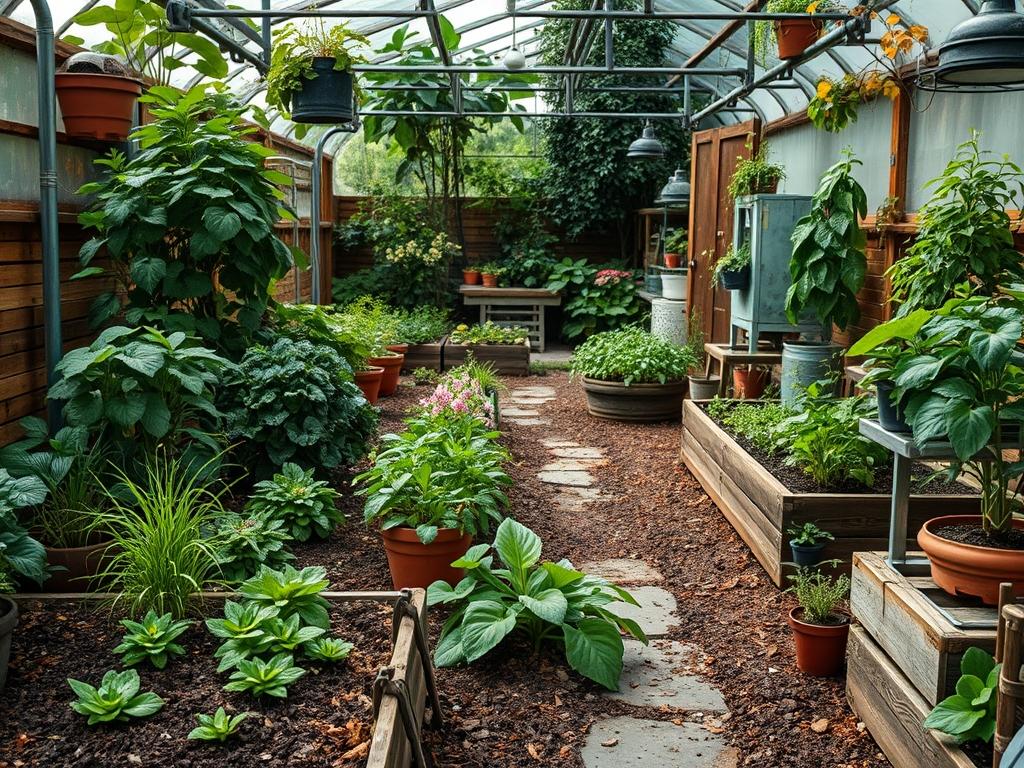
Urban backyard design in the twenty-first century requires a departure from traditional sprawling lawn philosophy. In the context of the modern city, exterior space is often the most valuable square footage of a property, yet it remains the most frequently underutilized. Designing for contemporary living means treating the backyard as a seamless extension of the interior floor plan, where every square foot must justify its existence through either function or distinct aesthetic contribution. The primary challenge for the urban landscape architect is the mitigation of site constraints such as limited natural light, proximity to neighboring structures, and poor existing soil quality. By focusing on spatial efficiency and high-performance materials, a homeowner can transform a claustrophobic alley or a neglected concrete slab into a high-value sanctuary that enhances both property valuation and daily quality of life.
Achieving a successful layout depends on a deep understanding of the local microclimate. Urban heat islands can cause temperatures in a small, walled-in courtyard to soar far above the regional average, necessitating specific plant selections and shade structures. Conversely, the shadows cast by tall buildings might create a permanent deep-shade environment that renders traditional turf impractical. Beyond environmental factors, the layout must address the visual impact and curb appeal from the rear of the house. A well-executed urban backyard draws the eye outward, using sightlines to create an illusion of greater depth. By integrating tiered elevations, strategic lighting, and multi-functional zones, the designer creates a structured environment that feels expansive rather than enclosed.
Landscape Design Principles
The foundation of a sophisticated urban layout rests on the principle of intentional symmetry balanced by organic focal points. In a confined space, a strictly symmetrical grid can feel rigid, so architects often use a primary axis, perhaps a central walkway or a sightline from the main glass door, and then introduce asymmetrical elements like a single specimen tree or an offset fire pit. These focal points act as anchors for the eye, preventing the space from feeling like a mere corridor.
Elevation layers are equally critical in small-scale environments. When horizontal space is at a premium, moving upward provides a secondary dimension for design. This is achieved through the installation of retaining walls and raised planters. These structures do more than just hold soil; they provide built-in seating, define distinct outdoor rooms, and allow for the installation of drainage systems that are hidden from view. Furthermore, verticality can be emphasized through the use of tall, narrow plantings or architectural trellises, which provide privacy from overlooking neighbors without occupying a significant footprint on the ground.
Walkways and circulation paths must be planned with precision to ensure comfortable movement. A common mistake is making paths too narrow, which creates a sense of cramped transit. A standard width of 36 inches to 48 inches is recommended for primary paths to allow two people to pass comfortably. The material choice for these paths, whether natural stone, porcelain pavers, or decomposed granite, should complement the interior flooring to blur the boundary between inside and out. Irrigation planning must be integrated into these early structural decisions. Subsurface drip irrigation is the gold standard for urban environments, as it delivers water directly to the root zones, minimizing evaporation and preventing the water staining that often occurs on hardscaped surfaces from traditional spray heads.
Plant and Material Selection
The following table outlines high-performance selections tailored for urban environments where space and sunlight may be restricted.
| Plant Type | Sun Exposure | Soil Needs | Water Demand | Growth Speed | Maintenance Level |
| :— | :— | :— | :— | :— | :— |
| Japanese Maple | Partial Shade | Rich, Well-Drained | Moderate | Slow | Low |
| Star Jasmine | Full Sun to Shade | Adaptable | Moderate | Fast | Moderate (Pruning) |
| Boxwood | Full Sun to Shade | Well-Drained | Low | Slow | Low |
| Feather Reed Grass | Full Sun | Moist, Heavy Clay | Moderate | Fast | Low (Cut back annually) |
| Liriope | Part Sun to Shade | Any | Low | Moderate | Very Low |
| Dwarf Palmetto | Part Sun to Shade | Moist | Moderate | Slow | Low |
For hardscaping, the selection of materials should prioritize durability and thermal properties. Porcelain pavers have become a favorite in contemporary layouts because they are non-porous, slip-resistant, and do not fade under intense sun. For a softer, more organic feel, Ipe decking or other sustainably sourced hardwoods offer a premium finish, though they require periodic oiling to maintain their rich color. When selecting mulch, a 2-inch depth of high-quality cedar mulch or dark pine bark is essential to suppress weeds and retain moisture in the soil.
Implementation Strategy
The transition from a blueprint to a finished landscape requires a disciplined, sequential approach. The first and most critical step is grading and site preparation. In urban environments, water runoff is a significant liability. The ground must be graded to slope away from the home foundation at a minimum rate of 2 percent, which equals a 1-fourth inch drop per foot. If the natural topography does not allow for this, the installation of a French drain or a catch basin system is mandatory to prevent basement flooding and soil saturation.
Once the grade is established, hardscaping elements such as retaining walls, patios, and built-in kitchens should be installed. These require heavy equipment and material transit that would damage any later plantings. During this phase, ensure that all utility lines for gas, electricity, and water are trenched and inspected. After the structural “bones” of the garden are in place, the focus shifts to soil health. Modern urban soil is often compacted and depleted of nutrients. Tilling in 3 inches of organic compost can rejuvenate the soil structure, improving aeration and drainage.
The final stage is the installation of the “softscape,” which includes the plants and the final layer of mulch. Always place larger specimen trees and shrubs first to establish the vertical structure of the design before filling in with smaller perennials and groundcovers. Once planting is complete, apply a consistent 2-inch to 3-inch layer of mulch across all exposed soil. Use metal edging or paver restraints to create crisp, clean lines between planting beds and walkways. This provides a professional finish and prevents the migration of materials over time.
Common Landscaping Failures
One of the most frequent errors in contemporary landscaping is the failure to account for the mature size of plant material. A Leyland Cypress that looks appropriate in a three-gallon pot will eventually reach a width that can overwhelm a small urban lot, leading to root overcrowding and damage to nearby retaining walls. Always research the “spread” at maturity and provide the necessary spacing to allow for air circulation, which prevents fungal diseases.
Drainage neglect is another common pitfall. Many homeowners focus on the aesthetic surface but ignore the sub-surface hydraulics. Poor drainage leads to soil compaction and anaerobic conditions, which effectively drowns the root systems of even the hardiest plants. Similarly, an inefficient irrigation system that relies on manual watering or poorly placed spray heads often results in uneven growth. Over-watering is just as damaging as under-watering; the use of smart irrigation controllers with rain sensors can mitigate this risk by adjusting schedules based on real-time weather data.
Finally, the mistake of “over-planting” to achieve an instant look can lead to long-term maintenance nightmares. High-density planting increases competition for nutrients and water. It is better to allow for some open space and let the garden fill in naturally over two or three seasons. This patience results in a more resilient landscape that requires less aggressive pruning and fewer chemical interventions.
Seasonal Maintenance
Maintenance is an ongoing commitment that preserves the architectural integrity of the layout. In the spring, the focus is on renewal. This involves removing winter debris, refreshing the mulch to a consistent depth, and applying a slow-release fertilizer to support new growth. This is also the time to inspect the irrigation system for leaks or clogged emitters before the summer heat arrives.
Summer maintenance is primarily about water management and deadheading. During peak temperatures, deep watering during the early morning hours is essential. Monitor for pests that thrive in humidity, and prune any aggressive growth that threatens to obscure walkways or light fixtures. As autumn approaches, the strategy shifts to preparation for dormancy. Fall is the ideal time for planting new trees or shrubs, as the cooler air and warm soil encourage root development. Clear fallen leaves regularly to prevent them from matting down and suffocating the lawn or groundcovers.
Winter is the season for structural pruning and hardware inspection. Without the distraction of foliage, the “bones” of the garden are visible, making it easier to prune for shape and health. Clean and sharpen pruning shears, loppers, and shovels to ensure they are ready for the spring rush. If your region experiences freezes, ensure that all exterior water lines are drained and insulated to prevent pipe bursts that could damage expensive stonework.
Professional Landscaping FAQ
How do I choose between a deck and a patio for a small space?
Patios offer greater longevity and lower maintenance, making them ideal for ground-level layouts. Decks are preferable when you need to bridge significant elevation gaps or when the existing soil drainage is exceptionally poor.
What is the best way to handle privacy in a city backyard?
Utilize vertical elements like slatted wooden screens or tall, narrow plants such as Sky Pencil Hollies. These provide a visual barrier without the bulk of a traditional fence, maintaining an airy and modern feel.
How much should I expect to spend on a professional landscape?
A high-quality urban renovation typically costs between 10 percent and 15 percent of the total property value. This investment covers professional design, durable hardscape materials, drainage infrastructure, and mature plant installations.
Can I have a lawn in a small, shaded urban yard?
Standard turf rarely thrives in high-shade, high-traffic urban spots. Consider high-quality artificial turf or shade-tolerant groundcovers like Mondo Grass to achieve the green aesthetic without the high failure rate of traditional grass.
What role does lighting play in contemporary backyard layouts?
Lighting extends the usability of the space into the evening and highlights architectural features. Use low-voltage LED spotlights for trees and path lights for safety, ensuring the backyard remains a functional room after sunset.