
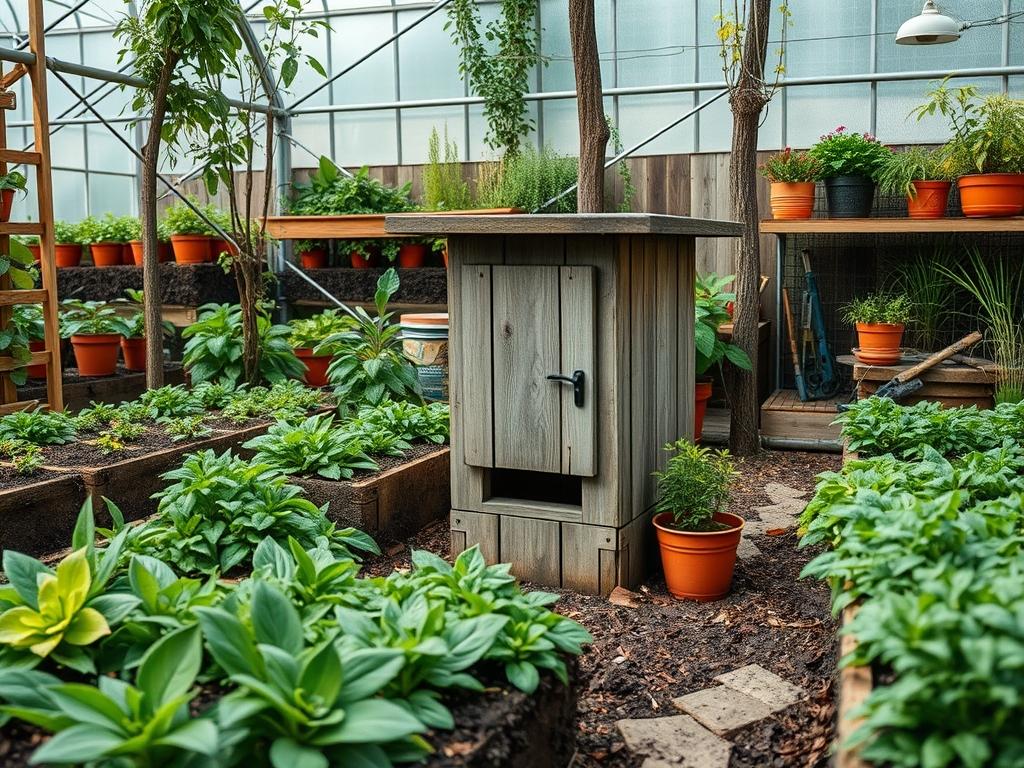
Integrating a wildlife habitat into a sophisticated residential landscape requires a balance between ecological functionality and aesthetic refinement. For many homeowners, the challenge of a Backyard Owl Box Setup lies in blending a tall, structural element into an existing garden without disrupting the visual flow or curb appeal. A successful installation considers the regional climate, as heat exposure can be a significant hazard for nesting chicks, while the placement must also account for the prevailing winds and sightlines from the primary outdoor living areas. When approached with the eye of a designer, an owl box becomes more than a conservation tool; it serves as a vertical focal point that adds architectural interest to the perimeter of a property.
The functionality of the backyard is enhanced as these raptors provide natural pest control, reducing the need for chemical interventions. However, the site must be surveyed for drainage and soil stability before any heavy structural post is installed. We must treat the installation with the same rigor as a pergola or a retaining wall, ensuring that the foundation is secure and the surrounding vegetation supports the bird’s flight path. By selecting native plants that provide cover for small mammals, a homeowner creates a self-sustaining ecosystem that thrives year-round while maintaining the manicured standards of a professional landscape design.
Landscape Design Principles
When planning the layout for an owl box, we rely on core design principles like symmetry, focal points, and elevation layers. An owl box should be situated at an elevation of 10 to 20 feet to ensure the safety of the occupants. In a large garden, this verticality can be used to balance low-lying features like Retaining walls or broad garden beds. If the landscape is heavily weighted with horizontal lines, such as long stone walkways, the vertical post of the owl box provides a necessary visual counterpoint.
Symmetry plays a role in how the box is framed by the surrounding canopy. While the house itself should be placed in an open area to allow for a clear flight path, it can be framed by Oak trees or Pine trees to soften its appearance. Visual balance is achieved by placing the box in a sector of the yard that feels underutilized, effectively drawing the eye to the boundary of the property. We also consider the irrigation planning in this phase; the base of the owl box post must remain dry to prevent wood rot, meaning Drip irrigation should be routed away from the foundation. Walkways should be designed to pass within a respectful distance of the box, allowing for observation without encroaching on the bird’s perceived territory.
Plant and Material Selection
The following materials and plant species are recommended to support a Backyard Owl Box Setup while maintaining a high-end landscape aesthetic.
| Plant Type | Sun Exposure | Soil Needs | Water Demand | Growth Speed | Maintenance |
| :— | :— | :— | :— | :— | :— |
| White Oak | Full Sun | Deep, Loamy | Low | Slow | Low |
| Switchgrass | Full to Partial | Variable | Low | Fast | Moderate |
| Serviceberry | Partial Shade | Moist, Acidic | Medium | Moderate | Low |
| Eastern Red Cedar| Full Sun | Well-Drained | Low | Moderate | Low |
| Creeping Juniper | Full Sun | Dry, Sandy | Very Low | Slow | Low |
For the structure itself, we prioritize durability. Cedar is the gold standard for the box construction because of its natural resistance to decay and insects. Galvanized Steel or Stainless Steel Screws must be used to prevent rust streaks from marring the wood over time. A 4×4 pressure-treated post or a Gauged steel pole is necessary for the main support. At the base, a layer of River rock or Crushed granite should be used to provide a clean finish and allow for rapid drainage.
Implementation Strategy
The implementation begins with a thorough site analysis to identify the most stable ground. Once a location is chosen, utilize a Post hole digger to reach a depth of at least 3 feet, or deeper if you are located in a region with a high frost line. Proper grading around the base of the post is essential. The soil should slope slightly away from the center to prevent water from pooling, which could compromise the stability of the structure over time. Use a Level to ensure the post is perfectly vertical before pouring a Quick-set concrete base.
After the post is secure, the transition between the structural element and the garden is softened with edging and mulch. Define a circular or square bed around the post using Steel edging or Belgian block. Inside this border, apply a 3 inch layer of Hardwood mulch to suppress weeds and retain moisture for any surrounding foundation plantings. If the box is mounted on a tree, use Lag bolts with Spacers to allow the tree to grow without swallowing the hardware. This technique prevents long term damage to the specimen tree and ensures the box remains level. Hardscaping like a small flagstone pad nearby can provide a stable place for a ladder during annual maintenance.
Common Landscaping Failures
One of the most frequent mistakes in backyard habitat design is poor drainage at the base of the mounting structure. If the post is set in a low-lying area where water accumulates, the wood will eventually soften and lean, creating a hazard. Another common failure is root overcrowding. Planting large shrubs or trees too close to the owl box post can lead to root systems heaving the concrete footer or making it impossible to access the box for cleaning.
Improper spacing is also a major concern. Owls require a clear “hangar” space of at least 15 to 20 feet in front of the box. Placing the box behind dense foliage or near high-traffic walkways can discourage nesting or lead to collisions. Soil compaction caused by heavy machinery during the installation of other landscape features, such as pools or patios, can also kill the very trees that provide the necessary shade for the box. Finally, irrigation inefficiencies, such as spray heads aiming directly at the wooden post, will drastically shorten the lifespan of the Cedar housing.
Seasonal Maintenance
Landscape management for an owl habitat changes with the seasons. In the spring, the focus is on minimal disturbance. Avoid heavy pruning or loud machinery near the box once nesting has begun. Ensure that the Irrigation system is checked for leaks that might be saturating the ground near the support structure. During the summer, maintain the Mulch depth and ensure that native plants are well-hydrated to provide the dense cover needed for fledgling owls to hide from predators.
In the autumn, once the owls have fledged, it is time for structural inspections. Use a Sturdy ladder to check the Screws and Mounting brackets for any signs of loosening due to wind or wood expansion. This is also the time to clean out the interior of the box, removing old nesting material while wearing Protective gloves and a Dust mask. In winter, the goal is structural integrity. Heavy snow or ice can add significant weight to the box. Ensure that the Retaining walls and Drainage pipes in the vicinity are clear of debris to prevent ice damming or soil erosion that could destabilize the post during the spring thaw.
Professional Landscaping FAQ
What is the best height for a Backyard Owl Box Setup?
For most suburban environments, a height between 12 and 20 feet is ideal. This provides safety from ground predators like cats and raccoons while keeping the box accessible for professionals to perform annual maintenance.
Can I mount an owl box directly on my house?
It is generally discouraged. Owls are messy and the debris from their prey can stain siding. Furthermore, the noise and activity near a home usually deter owls from nesting. A standalone post is much more effective.
Does the color of the mulch around the post matter?
While the color is an aesthetic choice, darker organic mulches like Triple-brown hardwood are preferred. They blend into the natural environment better than dyed red mulches, which can look artificial in a wildlife focused landscape.
How do I prevent squirrels from taking over the box?
Mounting the box on a metal pole or using a Stovepipe baffle on a wooden post is highly effective. Ensure the box is at least 10 feet away from jumping points like tree branches or rooflines.
Should I install lighting near the owl box?
No, you should avoid any direct upward lighting or bright security lights near the box. Owls are nocturnal hunters and thrive in darkness; excessive light pollution can disrupt their hunting patterns and make them feel vulnerable.