
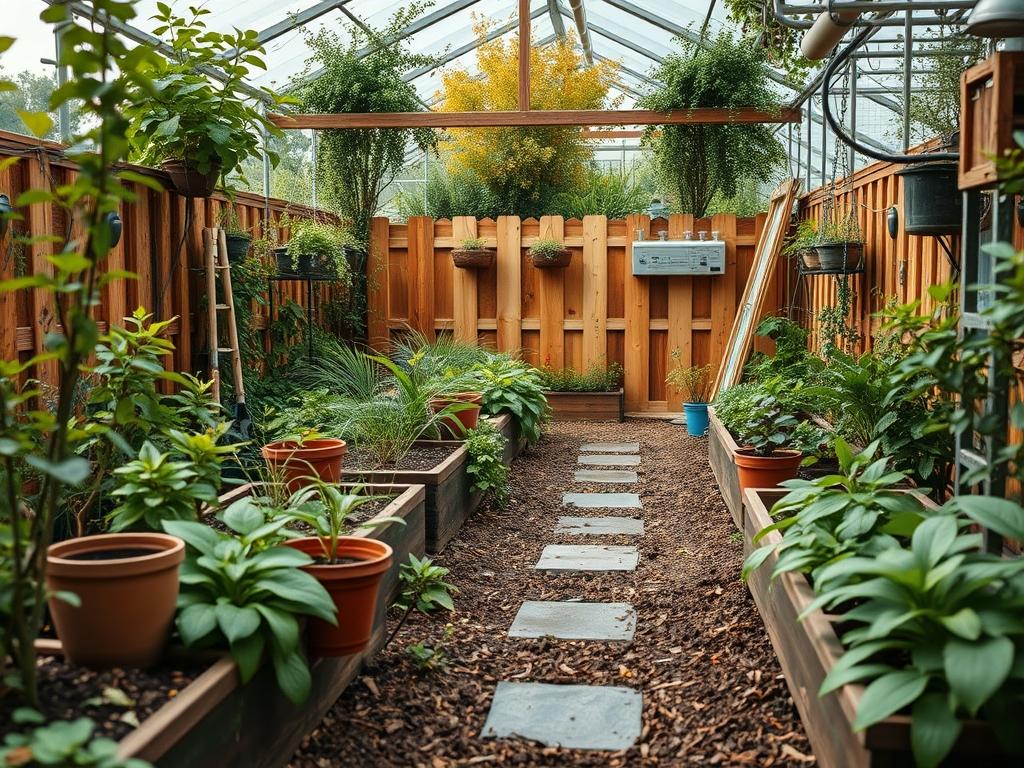
The perimeter of a residential property serves as the frame for the entire outdoor living experience. In professional landscape architecture, we view the boundary fence not merely as a divider, but as a critical vertical plane that defines the scale and mood of the environment. When a wooden fence begins to gray, warp, or succumb to rot, it compromises the structural integrity of the landscape and detracts from the carefully curated aesthetic of the garden beds it borders. Backyard fence staining is the primary defensive measure against the relentless cycle of UV degradation and moisture infiltration. Without a high quality sealant, timber remains porous, absorbing rainwater that expands and contracts within the wood fibers. This physical stress leads to checking and splitting, which ultimately shortens the lifecycle of the installation. By integrating regular staining into a comprehensive property management plan, homeowners can ensure their investment remains a vibrant backdrop for their botanical collections and hardscape features.
The relationship between the fence and the surrounding flora is symbiotic. A well maintained, stained fence provides a consistent color temperature that can make the greens of Boxwoods or the vibrant hues of Perennials pop with professional intensity. Conversely, an weathered and neglected fence creates a visual distraction that draws the eye away from focal points like water features or specimen trees. From an environmental standpoint, preventing wood rot through staining reduces the need for premature replacement, which conserves lumber resources and minimizes the disruption to established root systems near the fence line. When we plan a landscape, we consider the fence as the anchor of the backyard. It influences how light reflects into the yard and how wind moves across the site. Keeping that surface sealed and smooth ensures that the structural elements of the garden remain as resilient as the living components.
Landscape Design Principles
In the realm of high end landscape design, symmetry and balance are often achieved through the thoughtful placement of vertical elements. The fence acts as a neutral canvas that allows for the implementation of layered planting strategies. We utilize the fence to establish a sense of enclosure, which is essential for creating intimate outdoor rooms. By maintaining a uniform finish through backyard fence staining, we ensure that the eye perceives the boundary as a continuous, cohesive line rather than a fragmented series of aging panels. This visual continuity is vital when designing walkways that parallel the perimeter. A stained fence provides a rhythmic backdrop that enhances the experience of moving through the space, especially when paired with recurring architectural plants.
Elevation and focal points also play a significant role in how we perceive the fence line. In properties with varied topography, the fence must often navigate slopes and retaining walls. Staining these structures helps to mask the transitions between different levels of the yard, creating a more unified look. Furthermore, we often use the fence to support irrigation planning. Modern drip irrigation systems can be discreetly mounted or run alongside the base of a stained fence, where the dark tones of the wood help hide polyethylene tubing. This integration requires the wood to be properly sealed, as proximity to constant moisture from emitters can accelerate decay in untreated timber. By treating the fence as a functional component of the landscape design, we bridge the gap between hardscaping and horticultural beauty.
Plant and Material Selection
Selecting the right materials and plant species is critical for a low maintenance, high impact backyard. The following table outlines several species that work exceptionally well when planted in proximity to a stained fence, considering their growth habits and environmental needs.
| Plant Type | Sun Exposure | Soil Needs | Water Demand | Growth Speed | Maintenance Level |
| :— | :— | :— | :— | :— | :— |
| English Boxwood | Full to Partial Sun | Well-drained, Loamy | Moderate | Slow | Low |
| Climbing Hydrangea | Partial Shade | Rich, Organic | High | Moderate | Medium |
| Emerald Green Arborvitae | Full Sun | Moist, Well-drained | Moderate | Moderate | Low |
| Karl Foerster Grass | Full Sun | Most Soil Types | Low | Fast | Low |
| Japanese Maple | Partial Sun | Slightly Acidic | Moderate | Slow | Medium |
| Purple Coneflower | Full Sun | Well-drained | Low | Moderate | Low |
When selecting a stain for your fence, we recommend semi-transparent oil-based stains. Unlike topical paints, these penetrating formulas soak into the wood grain, providing deep protection without the risk of peeling or bubbling. For the best architectural result, choose colors that complement the siding of the home or the stone used in your paver patios. Darker charcoals and deep browns provide a contemporary “shadow box” effect that makes the garden feel larger by pushing the boundaries into the background.
Implementation Strategy
A successful backyard or garden layout begins with proper site preparation. Before any staining or planting occurs, the ground must be graded to ensure that water flows away from the base of the fence and the home foundation. We typically utilize a transit level to verify a minimum slope of two percent. Once the grading is established, we install professional grade landscape fabric and a 4-inch layer of crushed stone or mulch at the base of the fence. This creates a splash guard that prevents soil and mud from splashing onto the freshly stained wood during heavy rain, which is a major cause of premature stain failure and fungal growth.
The application of the stain itself should be treated as a precision task. We use a high-volume low-pressure (HVLP) sprayer for even coverage, followed immediately by back-brushing with a 4-inch natural bristle brush. This technique forces the pigment into the pores of the cedar or pine, ensuring maximum longevity. For the surrounding garden, we recommend a clear separation between the lawn and the fence line using metal edging or Belgian block. This prevents string trimmers from damaging the wood and chipping away the protective coating. Furthermore, ensure that any retaining walls located near the fence are backed with filter fabric and perforated drainage pipe to manage hydrostatic pressure, which can otherwise push against the fence posts and cause leaning.
Common Landscaping Failures
One of the most frequent mistakes in backyard management is neglecting the drainage zones at the base of the fence. When water pools around the concrete footings, it creates a “bowl” effect that keeps the bottom of the fence panels perpetually damp. This leads to bottom-up rot that no amount of surface staining can fix. It is imperative to maintain a 2-inch gap between the bottom of the fence pickets and the ground to allow for airflow and moisture evaporation. Soil compaction is another silent killer of both fences and plants. In high traffic areas, compacted soil prevents water from infiltrating the ground, leading to surface runoff that erodes the area around fence posts and destabilizes the structure.
We also see many homeowners struggle with root overcrowding and improper spacing. Planting large shrubs or trees too close to the fence line can lead to structural damage as the trunk expands and the roots heave. This physical pressure can snap 2×4 stringers and pop nails out of the posts. Furthermore, dense foliage that rests directly against the wood traps moisture and prevents the sun from drying the fence after a rainstorm. To avoid this, we recommend maintaining a 12-inch “air corridor” between the back of the plants and the face of the fence. This ensures the wood can breathe and makes future backyard fence staining much easier to perform without damaging the plants.
Seasonal Maintenance
Landscape management is a year round commitment that changes with the weather. In the Spring, the focus is on inspection and cleaning. Check the fence for signs of winter damage or mold growth. Use a low-pressure washer and a mild oxygen bleach solution to remove graying wood fibers before applying a maintenance coat of stain. This is also the time to check your irrigation timers and ensure that no sprinkler heads are spraying directly onto the wood.
In the Summer, the priority shifts to UV protection and hydration. The intense sun can bake the oils out of the wood, so look for signs of fading. Water your plants early in the morning to minimize evaporation. Throughout the Autumn, clearing fallen leaves from the base of the fence is crucial. Damp leaves can harbor wood-destroying insects and hold moisture against the bottom rail, leading to rapid decay. Finally, during the Winter, ensure that snow is not piled against the fence during driveway clearing. The constant freeze-thaw cycle of a snowbank is incredibly damaging to both the stain’s finish and the wood’s structural integrity.
Professional Landscaping FAQ
How often should I restain my backyard fence?
For maximum longevity, we recommend backyard fence staining every two to three years. This frequency accounts for UV fading and ensures the water repellent properties of the sealant remain active, preventing wood rot and structural warping.
Can I stain a fence that is already gray and weathered?
Yes, but it requires preparation. You must use a wood brightener and a sander to remove dead cellulose fibers. Once the healthy wood is exposed, a penetrating stain will bond correctly and restore the fence’s original beauty.
What is the best time of year for fence staining?
Late spring or early autumn is ideal. You need dry conditions with temperatures between 50 and 80 degrees Fahrenheit. Avoid direct midday sun, as it can cause the stain to dry too quickly, leading to an uneven finish.
Will staining my fence harm my nearby plants?
If using oil-based stains, you must protect your Perennials and Shrubs. Use canvas drop cloths rather than plastic, as plastic can trap heat and smother the plants. Most professional grade stains are safe once they have fully cured.
Does staining help with fence post stability?
While staining primarily protects the pickets and rails, applying a copper naphthenate solution to the base of the posts before installation is key. Regular staining of the visible post prevents moisture from traveling down into the ground-level wood fibers.