
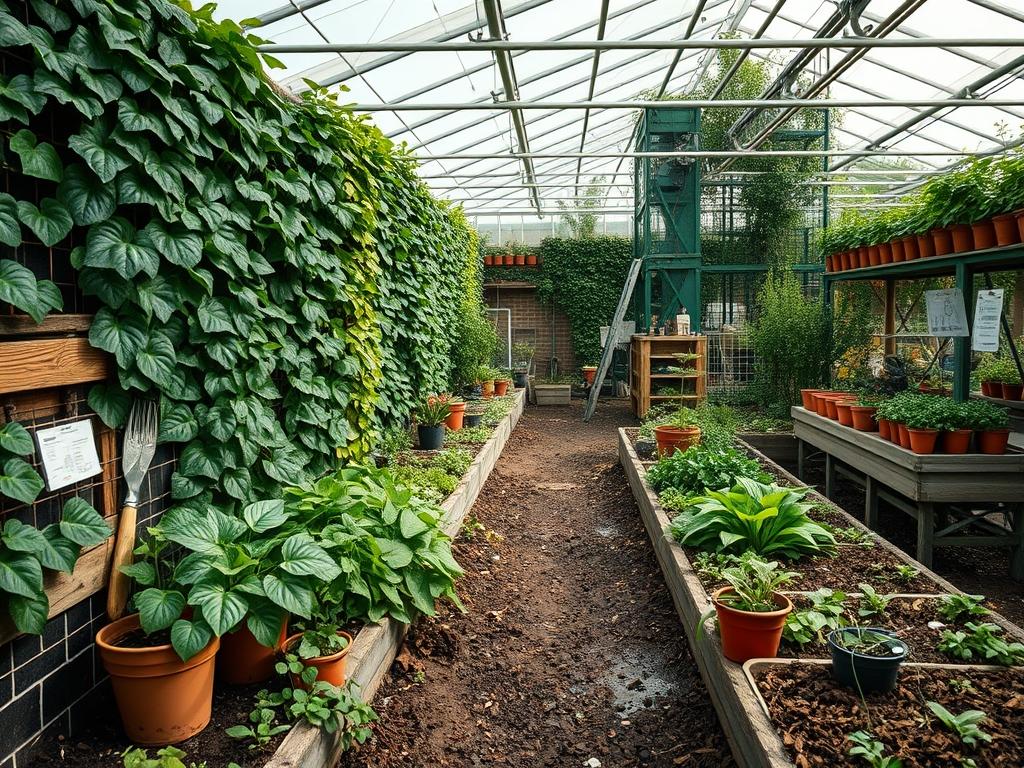
A lush, vertical expanse of greenery provides an immediate sense of seclusion and architectural depth that traditional fencing simply cannot replicate. Designing a high-performance landscape often requires balancing aesthetic desires with the rigorous demands of living structures. For many homeowners, the ivy privacy wall represents the pinnacle of this balance, offering a dense, year-round screen that softens hard boundaries and absorbs urban noise. However, successfully maintaining these living walls requires more than occasional trimming. It demands a systematic approach to soil health, structural integrity, and moisture management. When integrated correctly into a master plan, an ivy wall enhances curb appeal significantly while creating a microclimate that cools the surrounding environment. The challenge lies in managing the aggressive growth habits of these species to ensure they remain an asset rather than an invasive liability to the property’s primary structures and neighboring flora.
Landscape Design Principles
Effective landscape design relies on the core principles of symmetry, scale, and focal points to create a cohesive outdoor environment. When planning an ivy privacy wall, consider the vertical scale in relation to the main residence and any secondary structures. A massive, monolithic green wall can shrink a small yard if not broken up by architectural variations or varied elevation layers. Using Retaining Walls to create different heights allows for a more dynamic visual experience, preventing the “green box” effect. By introducing transitions such as Stone Walkways or Gravel Paths at the base of the wall, you anchor the vertical element and define the functional boundaries of the space.
Visual balance is achieved by pairing the heavy texture of ivy with lighter, airy elements. For instance, placing a tranquil water feature or a minimalist sculpture against the backdrop of a Boston Ivy wall creates a sophisticated focal point that draws the eye without overwhelming the senses. Irrigation planning must be considered at the design stage rather than as an afterthought. Subsurface Drip Irrigation Lines are preferred over overhead sprayers as they deliver moisture directly to the root zone, reducing the risk of foliar diseases and minimizing water waste. Proper spacing between the ivy and other specimen plants prevents competition for nutrients and ensures each layer of the landscape has room to breathe.
Plant and Material Selection
Selecting the right species for your specific site conditions is the most critical step in long-term ivy privacy wall maintenance. The following table highlights common choices for vertical greening.
| Plant Type | Sun Exposure | Soil Needs | Water Demand | Growth Speed | Maintenance Level |
| :— | :— | :— | :— | :— | :— |
| English Ivy | Shade to P. Sun | Well-drained, Rich | Moderate | Fast | High |
| Boston Ivy | Full Sun to P. Shade | Loamy, Moist | Moderate | Rapid | Moderate |
| Creeping Fig | Full Sun to P. Shade | Consistent Moisture | High | Fast | High |
| Star Jasmine | Full Sun to P. Shade | Fertile, Well-drained | Moderate | Moderate | Moderate |
| Persian Ivy | Partial Shade | Adaptable | Low to Moderate | Moderate | Low |
Implementation Strategy
Building a successful ivy privacy wall begins with thorough site preparation. Start by assessing the Grading around the base of the structure. The ground should slope away from any masonry or wooden supports at a rate of at least 2 percent to prevent water from pooling at the foundation. If you are planting against a wooden fence, ensure the material is pressure-treated or naturally rot-resistant, like Western Red Cedar. For masonry, inspect for any loose mortar or cracks, as ivy aerial roots can penetrate these weaknesses and cause structural compromise over time.
Once the site is graded, install a sturdy support system such as a Stainless Steel Cable Lattice or a Heavy-Duty Wood Trellis. This keeps the foliage slightly off the surface of the wall, allowing for airflow and reducing moisture buildup. Excavate a trench approximately 18 inches wide and 12 inches deep along the length of the wall. Incorporate Organic Compost and a slow-release fertilizer into the native soil to provide a nutrient-rich start. Place your plants every 24 to 36 inches depending on the desired density. After planting, apply a layer of Hardwood Mulch at a depth of 3 inches, making sure to keep the material a few inches away from the main stems to prevent crown rot. Finally, set up your Irrigation Controller to provide deep, infrequent watering cycles that encourage deep root penetration.
Common Landscaping Failures
One of the most frequent errors in ivy privacy wall maintenance is the neglect of drainage. Soil compaction, often caused by heavy foot traffic or construction, prevents oxygen from reaching the roots and leads to anaerobic conditions. Without a French Drain or similar system in heavy clay soils, ivy may suffer from root rot, leading to large dead patches in an otherwise healthy wall. Another common failure is improper spacing. Planting too closely creates immediate density but leads to intense competition for light and nutrients within three years, resulting in stunted growth and increased susceptibility to pests like Spider Mites or Scale.
Irrigation inefficiencies also plague many vertical gardens. Many homeowners rely on manual hosing, which often only wets the top inch of soil while leaving the deeper roots dry. Conversely, over-watering in shady areas creates a breeding ground for fungal pathogens. Furthermore, failing to provide a physical barrier or Metal Edging at the base of the wall allows the ivy to escape into lawns or nearby flower beds. This lack of containment leads to a maintenance nightmare where the ivy eventually smothers desirable groundcover and native shrubs. High-maintenance species like English Ivy require rigorous pruning; skipping even one season of growth control can result in the plant invading gutters, roof shingles, and attic vents.
Seasonal Maintenance
The health and aesthetic of an ivy wall fluctuate with the seasons, requiring a tailored management approach throughout the year. In Spring, perform a hard prune to remove any winter kill and redirect energy toward new growth. This is the optimal time to inspect the support structure and tighten any loose Cables or Eye Bolts. Apply a balanced fertilizer to jumpstart the growing season and refresh the Mulch to a consistent 3-inch depth. Monitor for early signs of aphids as temperatures rise.
During the Summer, focus on moisture management. High heat increases the transpiration rate of dense foliage walls. Check your Drip Irrigation system for clogs and ensure the soil remains moist but not saturated. If the wall is in full sun, late-afternoon wilting may occur; a deep soak in the early morning is the best remedy. Autumn is the season for containment pruning. Trim back any runners that have moved toward the roofline or into adjacent trees. This is also the time to clear fallen leaves from the base of the wall to prevent mold growth. In Winter, the maintenance load lightens, but you must still monitor for desiccation. Even evergreen varieties can suffer from “winter burn” if the ground freezes and they cannot pull up water. A final deep watering before the first hard freeze can provide the necessary hydration to survive the dormant months.
Professional Landscaping FAQ
How often should I prune a mature ivy wall?
Most mature walls require a major pruning in late winter and light maintenance trims every 6 to 8 weeks during the peak growing season. This prevents the vines from becoming too heavy and damaging their support structures.
Can ivy damage my brick or stone walls?
Ivy can damage masonry if the mortar is old or crumbling. The rootlets find existing cracks and expand them. On sound, modern masonry, the risk is lower, but regular inspections for structural penetration remain an essential maintenance task.
What is the best way to fertilize a vertical garden?
Use a slow-release, granular fertilizer with an even 10-10-10 ratio in early spring. Supplement with a liquid seaweed extract or compost tea during the summer to provide micronutrients without forcing excessive, unmanageable growth.
Why are the leaves on my ivy wall turning yellow?
Yellowing leaves, or chlorosis, usually indicate over-watering or poor drainage. However, it can also signify a nitrogen deficiency or a pest infestation. Check the soil moisture levels and inspect the undersides of leaves for tiny insects.
Is it necessary to use a trellis for ivy walls?
While some species cling directly to surfaces using adhesive disks or aerial roots, a Trellis or Cable System is highly recommended. It facilitates better airflow, protects your wall surface, and makes pruning much easier to manage.