
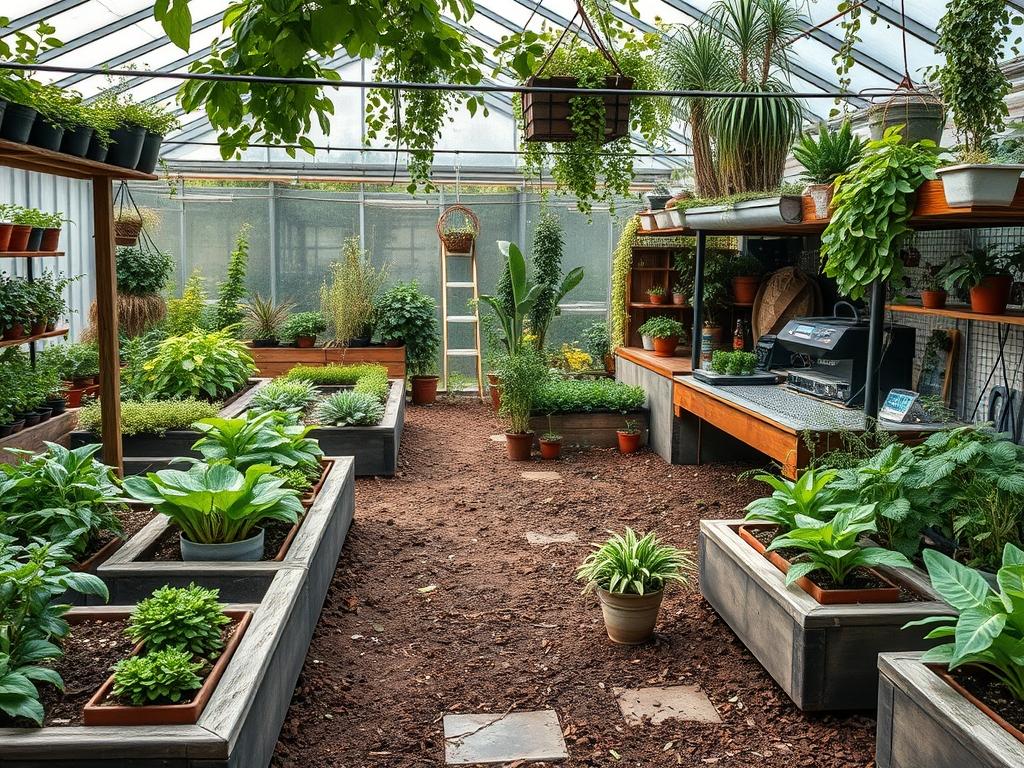
Designing a professional outdoor cocktail bar requires a sophisticated synthesis of architectural discipline and horticultural artistry. When we approach Outdoor Cocktail Bar Layouts, we are not merely placing a counter in a yard; we are defining a transitional zone where the controlled environment of the interior meets the unpredictable textures of the landscape. A successful layout must harmonize with the existing climate, ensuring that guests remain comfortable during a humid summer evening or a crisp autumn night. This involves a deep understanding of site orientation, prevailing wind patterns, and heat retention. Beyond functionality, the curb appeal of a well integrated bar area adds significant equity to a property. By utilizing high quality materials and intentional planting schemes, we transform a simple backyard into a destination that reflects the same level of detail found in a high end hospitality venue.
The primary challenge in these layouts is navigating the balance between hard, non-porous surfaces and living, breathing ecosystems. We must address how water moves across the site, how light interacts with vertical structures, and how guest movement influences the health of the surrounding flora. A professional layout utilizes retaining walls, elevation changes, and native plants to create a sense of enclosure without feeling claustrophobic. Every element, from the choice of pavers to the placement of a citrus tree, contributes to a sensory experience that defines the modern outdoor lifestyle.
Landscape Design Principles
Symmetry and focal points are the twin pillars of a professional cocktail bar environment. When planning the layout, we often use the bar structure itself as the primary axis. From this central point, we expand outward using geometric patterns that mirror the home’s architecture. If the bar features a modern, linear design, the surrounding landscaping should echo those lines through rectangular planting beds or straight stone walkways. Conversely, a more organic or rustic bar benefits from curved paths and softer, tiered vegetation that mimics the natural flow of the terrain.
Visual balance is achieved through the careful application of elevation layers. We rarely design on a single plane. Instead, we use raised masonry planters or tiered decking to create different zones for socializing. This allows for a tiered view, where guests sitting at the bar can look over a lower lounge area into the broader garden. Retaining walls are particularly effective here, not just for structural integrity on sloped lots, but as a way to define the “room” without the need for solid walls. These walls can also serve as incidental seating when topped with smooth limestone or granite caps.
Irrigation planning and walkway width are often overlooked but are critical to the longevity of the space. Paths leading to the bar should be at least 48 inches wide to allow two people to pass comfortably. Beneath these paths, we integrate automated drip irrigation systems that target the root zones of plants without overspraying the social areas. Proper lighting schematics are then overlaid, using low voltage LED path lights and up-lighting on ornamental trees to create depth and safety after sunset.
Plant and Material Selection
| Plant Type | Sun Exposure | Soil Needs | Water Demand | Growth Speed | Maintenance Level |
| :— | :— | :— | :— | :— | :— |
| Green Velvet Boxwood | Full Sun to Part Shade | Well-Drained | Moderate | Slow | Low |
| Phenomenal Lavender | Full Sun | Sandy/Gravelly | Low | Medium | Medium |
| Karl Foerster Grass | Full Sun | Loamy/Clay | Moderate | Fast | Low |
| Star Jasmine | Full Sun to Part Shade | Rich/Organic | Moderate | Medium | Medium |
| Emerald Green Arborvitae | Full Sun | Moist/Well-Drained | Moderate | Medium | Low |
| Dwarf Meyer Lemon | Full Sun | Well-Drained/Acidic | High | Medium | High |
| Blue Oat Grass | Full Sun | Lean/Dry | Low | Slow | Low |
Implementation Strategy
The construction of Outdoor Cocktail Bar Layouts begins with a rigorous site survey and rough grading. We must determine the high and low points of the yard to ensure that water moves away from the bar foundation and toward a French drain or a designated rain garden. Once the grade is established, we excavate the footprint of the bar and surrounding patio to a depth of at least 8 to 12 inches, depending on the local frost line and soil type. This cavity is then filled with a sub-base of compacted crushed stone, which provides the structural stability needed to prevent the bar from settling or cracking over time.
Following the base installation, we lay the hardscaping materials. For a cocktail bar, durability and slip resistance are paramount. We often recommend permeable pavers or natural flagstone set in a bed of polymeric sand. This sand binds the stones together while remaining flexible, preventing weeds from penetrating the joints. Around the perimeter of the hardscape, we install steel edging or poured concrete curbs to create a crisp boundary between the social zone and the planting beds.
The final phase involves the softscaping. We start by amending the existing soil with organic compost to ensure the new plants have the nutrients required for establishment. Plants are spaced according to their mature width, not their size at the time of purchase, to avoid overcrowding. Once the plants are in the ground, a 3 inch layer of shredded hardwood mulch or decorative pea gravel is applied. This layer is essential for moisture retention, temperature regulation, and weed suppression. Finally, we install the irrigation controllers and test every zone to ensure the water pressure is sufficient for the entire layout.
Common Landscaping Failures
The most frequent failure in outdoor bar design is inadequate drainage. When a patio is perfectly level, water pools during heavy rain, leading to slick surfaces and potential damage to the bar’s cabinetry. A professional layout always incorporates a 1 to 2 percent slope (or pitch) to direct runoff toward a catch basin or turf area. Without this pitch, the standing water can also lead to the growth of algae and mold, which compromises both the aesthetics and the safety of the environment.
Another common mistake is the overcrowding of the root zone near the bar’s foundation. Large trees planted too close to masonry walls can exert immense pressure as their roots expand, eventually causing structural failure. We also see many instances of soil compaction. During the construction of the bar, heavy machinery often packs the earth so tightly that it becomes “anaerobic,” meaning oxygen cannot reach the roots of the plants. To prevent this, we use aeration tools and avoid driving equipment over the designated planting zones. Irrigation inefficiencies, such as pointing rotary sprinklers at the bar itself rather than the foliage, can lead to the premature rotting of wood components and the staining of stone surfaces.
Seasonal Maintenance
Spring is the season for rejuvenation and infrastructure checks. As the ground thaws, we inspect the hardscape for any shifting or heaving caused by the freeze-thaw cycle. This is the time to refresh the mulch levels and apply a slow-release fertilizer to the perennials and ornamental grasses. We also perform “dead-heading” and structural pruning on shrubs like Boxwood to maintain the crisp lines required for a formal bar layout.
During the summer, the primary focus shifts to hydration and pest management. We monitor the irrigation system weekly to ensure no emitters are clogged. In periods of extreme heat, we may increase the watering frequency for container plants and top-shelf botanical ingredients like Mint or Basil grown near the bar. This is also the peak season for guest traffic, so we check for any loose pavers or stones that might create a trip hazard.
Autumn requires a transition toward protection. We remove fallen leaves from the drainage grates and gutters to prevent clogs. It is the ideal time for planting spring-blooming bulbs and applying a final round of pre-emergent herbicide to the beds. As the temperature drops, we begin the process of winterizing the bar’s plumbing, blowing out the lines to prevent burst pipes.
Winter is a period of dormancy but also an opportunity for structural assessment. With the foliage gone, the “bones” of the landscape are visible. We look for any erosion patterns that developed during the year and plan for adjustments in the spring. If the bar is located in a snowy climate, we ensure that any de-icing chemicals used on the walkways are plant-safe, as traditional rock salt can be toxic to Boxwood and other sensitive species.
Professional Landscaping FAQ
How do I choose the best location for my outdoor bar?
Site your bar on level ground near a house exit for easy utility access. Consider the sun’s path to ensure guests are not blinded at sunset and check for natural windbreaks to keep the area comfortable.
What is the best material for an outdoor bar countertop?
Granite and concrete are top choices for their durability and heat resistance. Avoid porous stones like marble, which can stain easily from citrus juices or red wine, unless they are professionally sealed and maintained frequently.
How do I prevent mosquitoes from ruining my cocktail bar area?
Incorporate movement in the landscape with oscillating fans and ensure there is no standing water. Planting Lavender and Lemongrass around the perimeter can provide a mild natural deterrent, though structural airflow remains the most effective solution.
Can I build a bar over my existing irrigation lines?
It is highly discouraged to build over active lines. You should reroute any PVC piping or drip lines before laying the foundation to allow for future repairs without having to demolish the bar structure or patio.
How much maintenance does a professional landscape truly require?
With a drip irrigation system and mulched beds, your weekly commitment is minimal. Plan for about two hours of light maintenance every few weeks, plus a more intensive seasonal cleanup four times a year to keep the space pristine.