
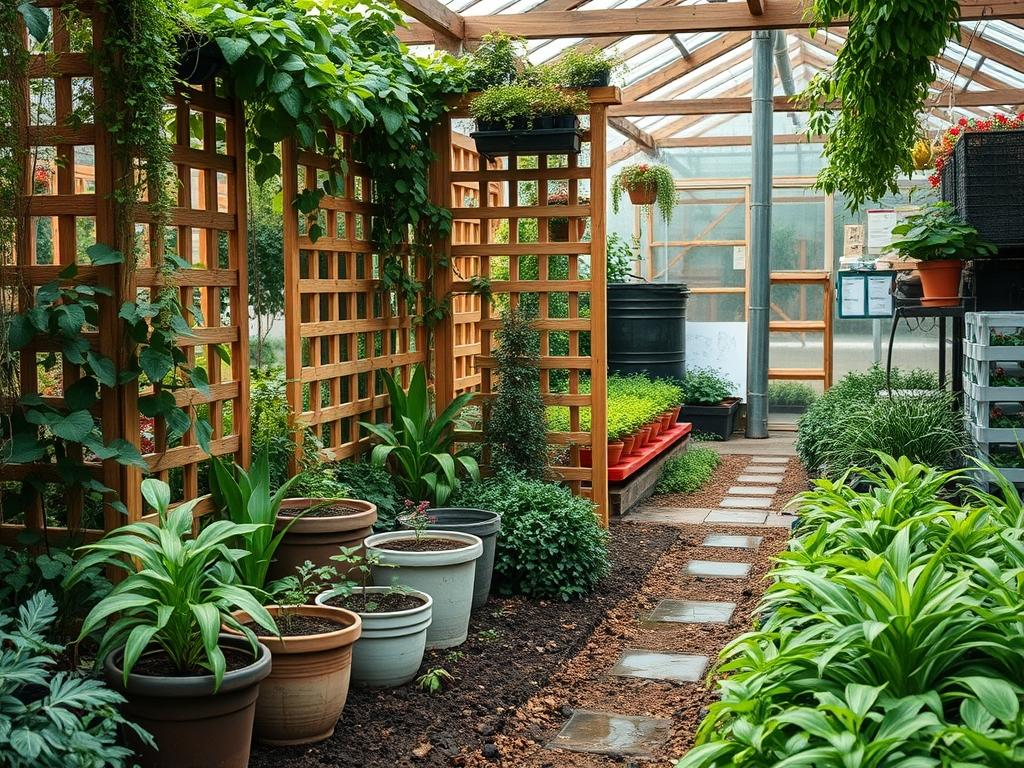
The modern outdoor living space often faces a structural paradox. Homeowners desire the intimacy of a secluded sanctuary, yet they must navigate the constraints of smaller suburban lots and the aesthetic demands of curb appeal. Traditional solid fencing often feels oppressive or fortress-like, blocking necessary airflow and natural light. This is where professional Lattice Privacy Panel Ideas transform a basic perimeter into a sophisticated architectural feature. By utilizing a semi-permeable barrier, a landscape architect can define boundaries while maintaining a sense of openness. These panels serve as the vertical skeleton of a garden, offering opportunities to introduce texture, shadow play, and biological diversity. When planned with precision, a lattice installation does more than hide a neighbor’s driveway; it establishes a microclimate, creates a windbreak, and provides a canvas for vertical horticulture.
Successful integration of these structures requires a deep understanding of site conditions and environmental stressors. In high-wind corridors, a solid wall creates turbulence and potential structural failure, whereas a lattice panel allows air to diffuse through the grid, reducing the load on support posts. Furthermore, the material choice must reflect the local climate. In humid coastal regions, Cellular PVC or Powder-Coated Aluminum offers longevity that untreated timber cannot match. In more temperate or arid zones, Western Red Cedar or Redwood provides natural rot resistance and a warm, organic aesthetic that complements native plantings. The goal of any privacy installation should be to improve the functionality of the yard without sacrificing the visual flow of the property.
Landscape Design Principles
In professional landscape architecture, we rely on core principles to ensure that vertical structures like privacy panels feel intentional rather than haphazard. Symmetry and balance are the primary considerations. A single lattice panel floating in the middle of a lawn appears disconnected. Instead, we use these panels to anchor focal points, such as framing a built-in outdoor kitchen or shielding a dedicated spa area. By aligning the grid patterns with the horizontal lines of the home’s siding or the verticality of nearby columns, we create visual harmony that ties the hardscaping to the existing architecture.
Elevation layers are equally vital. A flat garden provides little visual interest, but by introducing Lattice Privacy Panel Ideas at varying heights, we create a sense of depth. We typically recommend a tiered approach. Use 6-foot panels for maximum privacy near seating areas, while transitioning to 4-foot or 3-foot decorative screens near walkways. This staggered elevation prevents the “boxed-in” feeling common with standard fencing. Additionally, irrigation planning must be integrated into the design phase. If the lattice is intended to support heavy climbers, the root zones must have access to automated drip lines hidden beneath the 3-inch layer of Hardwood Mulch. Without proper hydration, the greenery that completes the privacy effect will struggle, leaving the lattice looking barren and industrial.
Plant and Material Selection
The success of a living screen depends on matching the biological needs of the plants with the physical characteristics of the lattice. The following table outlines the most effective species for integrated privacy designs.
| Plant Type | Sun Exposure | Soil Needs | Water Demand | Growth Speed | Maintenance Level |
| :— | :— | :— | :— | :— | :— |
| Star Jasmine | Full Sun to Part Shade | Well-drained, Loamy | Moderate | Medium | Low |
| Clematis | Full Sun (Roots in Shade) | Rich, Alkaline | High | Fast | Medium |
| Climbing Rose | Full Sun | Heavy, Nutrient-Rich | Moderate | Medium | High |
| English Ivy | Shade to Part Sun | Adaptable/Tolerant | Low | Aggressive | High |
| Honeysuckle | Full Sun | Moist, Well-drained | Moderate | Fast | Low |
| Carolina Jessamine| Full Sun | Acidic, Moist | Moderate | Fast | Medium |
When selecting materials for the panels themselves, professionals prioritize structural integrity. Kiln-Dried Cedar is the gold standard for wood due to its dimensional stability. For a more contemporary look, Laser-Cut Steel panels with geometric patterns provide a high-end, maintenance-free alternative. These materials should be secured with Stainless Steel Screws or Galvanized Fasteners to prevent the “bleeding” of rust streaks down the face of the panel over time.
Implementation Strategy
Planning a backyard layout involving Lattice Privacy Panel Ideas requires a systematic approach to site preparation. First, the landscape must be graded to ensure that water flows away from the foundation of the home and the footings of the lattice posts. Standing water at the base of a post will cause premature rot, even in treated lumber. We begin by marking the layout using Surveyor’s String and Marking Paint, ensuring every line is square to the primary structure.
For the installation of support posts, we typically specify a depth of at least 24 inches to 36 inches, depending on the local frost line. Each post should be set in High-Strength Concrete with a gravel base for drainage. Once the posts are plumb and the concrete has cured, the lattice panels are mounted using a “picture frame” technique. This involves sandwiching the lattice between 2×2 inch or 2×4 inch trim boards. This method not only provides a cleaner, professional finish but also protects the vulnerable edges of the lattice from delamination and weather damage. Finally, we install Aluminum Edging or Steel Edging around the base of the panels. This creates a crisp transition between the turf and the planting bed, preventing lawnmower damage to the structure and keeping Wood Chips or Stone Mulch contained.
Common Landscaping Failures
One of the most frequent mistakes in DIY privacy projects is neglecting the impact of soil compaction. During construction, heavy foot traffic or equipment can compress the soil near the lattice, making it impossible for screening plants to establish healthy root systems. We recommend tilling the soil to a depth of 12 inches and incorporating organic compost before planting. Another common failure is improper spacing. Homeowners often plant vines too close together in an attempt to get instant coverage; however, this Leads to root overcrowding and competition for nutrients, eventually causing large sections of the living screen to die back.
Irrigation inefficiencies also rank high among common errors. Many people rely on overhead sprinklers, but for lattice-mounted plants, this can promote fungal diseases like powdery mildew by keeping the foliage perpetually wet. A dedicated Drip Irrigation System delivered at the soil level is the professional standard. Lastly, many fail to account for the weight of mature vegetation. A lightweight plastic lattice might look fine on day one, but three years later, a heavy Wisteria or Trumpet Vine can snap the structure. Always over-engineer the support system to handle the maximum projected weight of the chosen flora.
Seasonal Maintenance
To preserve the longevity of your Lattice Privacy Panel Ideas, a seasonal management schedule is non-negotiable. In the spring, inspect all fasteners for tightness. The expansion and contraction of wood during winter can loosen screws. Apply a fresh coat of UV-Resistant Stain or sealer every two to three years to prevent grey weathering. This is also the time to prune winter-damaged stems from your climbers to stimulate new growth.
During the summer, the focus shifts to hydration and pest management. Monitor for aphids or spider mites, which thrive in the protected microenvironment created by dense lattice foliage. In the autumn, clear away fallen leaves and organic debris from the base of the posts. Wet leaves trapped against wood act as a sponge, accelerating decay. If using a delicate material like Vinyl, a gentle wash with a solution of water and mild detergent will remove algae buildup. In winter, especially in regions with heavy snowfall, ensure that snow is not piled against the panels. The lateral pressure from a snowbank can bow or crack the lattice grid, ruining the alignment of your landscape design.
Professional Landscaping FAQ
What is the best material for low-maintenance lattice?
Cellular PVC and Powder-Coated Aluminum are the premier choices. They resist rot, insects, and UV degradation without requiring frequent staining. These materials maintain their structural integrity for decades, making them a superior long-term investment for high-end residential landscapes.
How do I prevent my lattice from blowing over?
Ensure your posts are buried at least one-third of their total height. Use Concrete Footings and a “picture frame” support border. This increases the surface area for fasteners and provides the rigidity necessary to withstand high-velocity wind gusts.
Can I use lattice for steep elevation changes?
Yes, but you must pair it with Retaining Walls. Use the wall to level the grade, then mount the lattice atop the wall or behind it. This creates a multi-layered effect that addresses both privacy and soil erosion simultaneously.
Which plants grow the fastest on privacy screens?
Honeysuckle and Clematis offer rapid vertical expansion. However, for the fastest coverage, English Ivy is unmatched, though it requires aggressive pruning to prevent it from invading other parts of the garden. Star Jasmine provides a balance of speed and control.
Is a permit required for lattice privacy panels?
Most municipalities allow lattice up to 6 feet without a permit, but rules vary. Always check local zoning laws regarding “open-work” fences. Some Homeowners Associations (HOAs) have specific requirements for grid size, color, and material types allowed in front yards.