
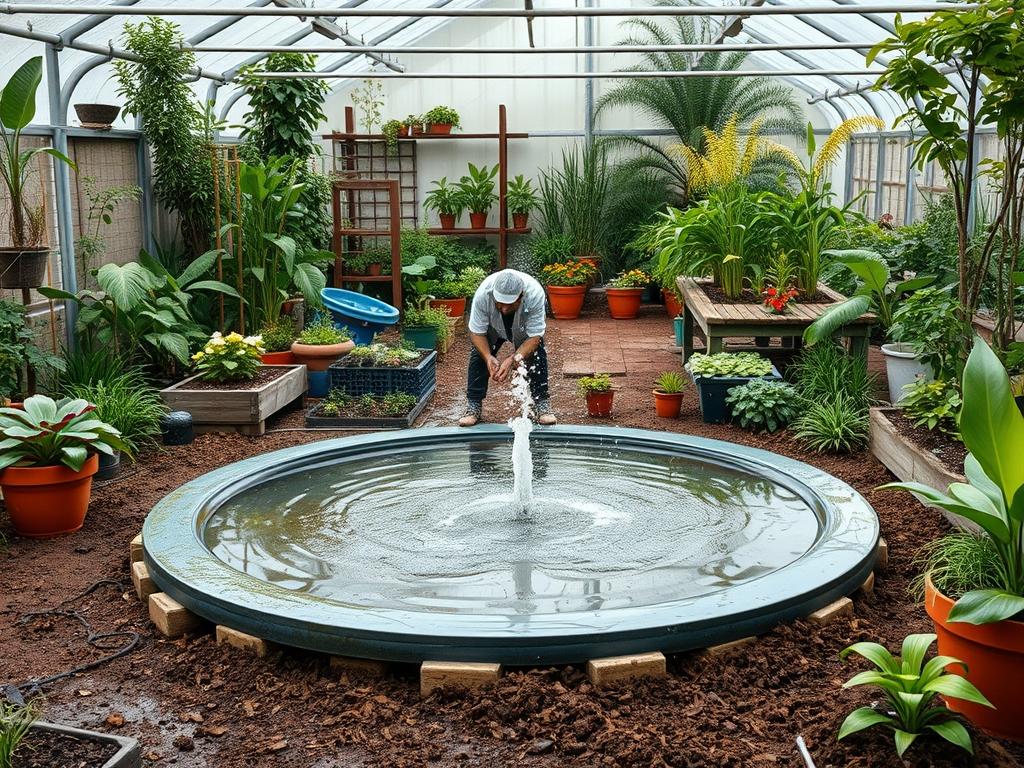
Integrating a modern splash pad into a residential landscape represents a significant shift in how we approach outdoor living and recreational design. Unlike traditional swimming pools that dominate a yard with deep excavations and permanent water bodies, Backyard Splash Pad Designs offer a versatile, low-profile alternative that prioritizes safety and interactive play. As a landscape architect, the primary challenge is to ensure the water feature harmonizes with the existing topography while maintaining high aesthetic standards and functional integrity. These installations function as zero-depth aquatic play areas, which means they do not present the same drowning risks as pools, making them ideal for families with young children or energetic pets. However, the successful execution of such a project requires meticulous planning regarding drainage, material selection, and site engineering to prevent the area from becoming a muddy eyesore or a structural liability.
The impact on curb appeal and property value cannot be overstated. A well-integrated splash pad should look like a sophisticated architectural feature, such as a plaza or a natural stone patio, when the water is turned off. This dual-purpose functionality ensures the backyard remains an elegant space for adult entertaining while providing a high-capacity play zone during the heat of the day. Achieving this balance involves considering the regional climate, as wind patterns can affect water spray drift and evaporation rates. Furthermore, the selection of surrounding vegetation must account for increased humidity and potential chemical exposure from treated water. By treating the splash pad as a central node within a broader landscape master plan, we can create a cohesive environment that enhances both the utility and the visual depth of the property.
Landscape Design Principles
Successful Backyard Splash Pad Designs rely on the core principles of symmetry and focal points to create a sense of intentionality. In a formal garden, the splash pad might serve as a central axis, mirrored by matching boxwood hedges or structured retaining walls. In more contemporary or naturalistic settings, an asymmetrical layout can be used to tuck the water feature into a private corner, surrounded by tiered elevation layers that provide natural seating. The use of elevation is particularly critical; the splash pad should ideally sit at a slightly higher grade than the surrounding grass to ensure that rainwater flows away from the feature, while the internal trench drains capture the recirculated water.
Visual balance is achieved by pairing the hard, flat surface of the splash pad with soft, vertical elements. Incorporating ornamental grasses or tall perennials along the perimeter can break up the horizontal expanse of the brushed concrete or non-slip pavers. Walkways should be designed with wide, sweeping curves or clean geometric lines that lead naturally to the feature, using materials that remain cool under the sun. Permeable pavers are an excellent choice for these transition zones as they help manage surface runoff and reduce the load on the municipal sewer system. Additionally, the integration of lighting is essential for evening ambiance. Submersible LED puck lights and low-voltage pathway lights ensure the area remains safe and visually striking after sunset.
Strategic irrigation planning is another pillar of the design process. The water system for the splash pad must remain entirely separate from the garden irrigation to prevent cross-contamination. While the splash pad uses filtered and often chlorinated water, the surrounding plants require untreated groundwater. By installing a root barrier or a dedicated French drain between the water feature and the planting beds, you can protect the local flora from chemical splash-back and prevent the soil from becoming waterlogged. This technical separation allows for a lush, vibrant garden that thrives immediately adjacent to the high-activity water zone.
Plant and Material Selection
| Plant Type | Sun Exposure | Soil Needs | Water Demand | Growth Speed | Maintenance Level |
| :— | :— | :— | :— | :— | :— |
| Blue Fescue | Full Sun | Well-drained | Low | Moderate | Low |
| Japanese Forest Grass | Partial Shade | Moist, Loamy | Medium | Slow | Low |
| Little Lime Hydrangea | Sun to Part Shade | Rich, Acidic | High | Fast | Medium |
| Creeping Thyme | Full Sun | Sandy, Gritty | Low | Moderate | Very Low |
| Sky Rocket Juniper | Full Sun | Any, Well-drained | Low | Fast | Low |
| Dwarf Fountain Grass | Full Sun | Adaptable | Medium | Fast | Low |
Implementation Strategy
The construction of Backyard Splash Pad Designs begins with precise site grading. The area must be excavated to a depth of at least 12 inches to accommodate the sub-base, which usually consists of compacted crushed stone and geotextile fabric. This foundation is vital for preventing shifting or cracking of the surface material over time. Once the base is stable, the plumbing infrastructure is laid out. This includes the installation of Schedule 40 PVC piping, multiple spray nozzles, and a central collector tank if the system is designed for recirculation. For residential units, a manifold system allows for the adjustment of water pressure to each individual jet, providing a customizable experience.
After the mechanical components are tested for leaks, the surface material is applied. Slip-resistant textured concrete is the industry standard, often treated with a topical sealer to prevent UV damage and chemical erosion. For a more premium aesthetic, porous rubber surfacing or thermoplastic vulcanizate (TPV) granules can be used to provide a cushioned, colorful finish that is gentle on bare feet. During this phase, professional edging is installed to create a clean transition between the hardscape and the landscape. Using heavy-duty aluminum edging or Belgian block paving prevents grass and weeds from encroaching onto the splash pad surface.
The final step involves the application of mulch and the installation of the planting plan. A mulch depth of 3 inches is recommended for the surrounding beds to retain moisture and suppress weeds. It is best to avoid lightweight wood chips that might wash into the splash pad drains during heavy rain; instead, use heavier double-shredded hardwood mulch or river rock. The drainage system should be double-checked to ensure that the overflow valves are functioning correctly and that the grade slopes away from the home’s foundation at a minimum rate of 2 percent.
Common Landscaping Failures
One of the most frequent mistakes in Backyard Splash Pad Designs is inadequate drainage management. When the surrounding soil is not properly graded, “ponding” occurs, where stagnant water collects at the edge of the feature. This not only creates a slip hazard but also attracts mosquitoes and causes soil compaction, which can suffocate the roots of nearby plants. To mitigate this, architects must calculate the “peak flow” of the splash pad and ensure the catch basins and lateral drain lines are sized correctly to handle both the play water and sudden storm events.
Root overcrowding and improper spacing represent another significant failure point. Owners often plant fast-growing trees too close to the mechanical underground components. Over time, aggressive root systems from species like willows or poplars can infiltrate pipes or heave the concrete slab, leading to expensive repairs. It is critical to maintain a “no-plant zone” of at least 5 feet around the perimeter of the buried holding tank and pumping station. Furthermore, failing to account for “overspray” can lead to the death of salt-sensitive plants. If the water is treated with chlorine or bromine, selecting salt-tolerant native plants is essential for long-term landscape health.
Seasonal Maintenance
Spring maintenance is centered on system activation and inspection. Before turning the water on, the debris screens must be cleaned, and the nozzle heads should be checked for mineral buildup or winter damage. This is also the time to apply a fresh layer of mulch and prune any perennials that have become overgrown during the dormant season. Testing the water chemistry is paramount to ensure the pH levels are balanced, preventing the growth of algae on the splash pad surface as temperatures rise.
In the summer, maintenance is primarily about cleaning and monitoring. High usage means the cartridge filters may need to be rinsed weekly. It is also important to monitor the irrigation system for the surrounding garden, as the heat reflected off the concrete surface of the splash pad can increase the transpiration rates of nearby plants. During autumn, the focus shifts to debris management. Leaves and organic matter must be kept away from the drains to prevent clogs. Once the temperature drops, the system must be winterized by blowing out the water lines with compressed air and capping the nozzles to prevent ice expansion from cracking the pipes.
Professional Landscaping FAQ
What is the best surface for a safe splash pad?
Slip-resistant textured concrete or TPV rubber granules are the top choices. They provide excellent traction when wet and are durable enough to withstand constant UV exposure and chemical cleaners without degrading or becoming dangerously slick for children.
How much space is needed for a backyard splash pad?
While sizes vary, a functional residential design typically requires a 15-foot by 15-foot area. This allows for a 10-foot active spray zone and a 2.5-foot dry perimeter to contain water overspray and provide a transition to the lawn.
Do splash pads require a constant water supply?
Not necessarily. Many modern units use a recirculation system with a hidden underground reservoir and filtration unit. This setup treats and reuses the same water, significantly reducing total consumption compared to “pass-through” systems that drain into the sewer.
Can I install a splash pad on a sloped yard?
Yes, but it requires leveling through the use of retaining walls or tiered grading. The pad itself must be perfectly level for the drains to function, while the surrounding landscape is engineered to redirect runoff.
What are the best plants to use near water features?
Focus on native plants and ornamental grasses like Little Bluestem or Moonbeam Coreopsis. These species are hardy, can handle occasional splashing, and do not drop excessive debris that could clog the splash pad’s sophisticated filtration system.