
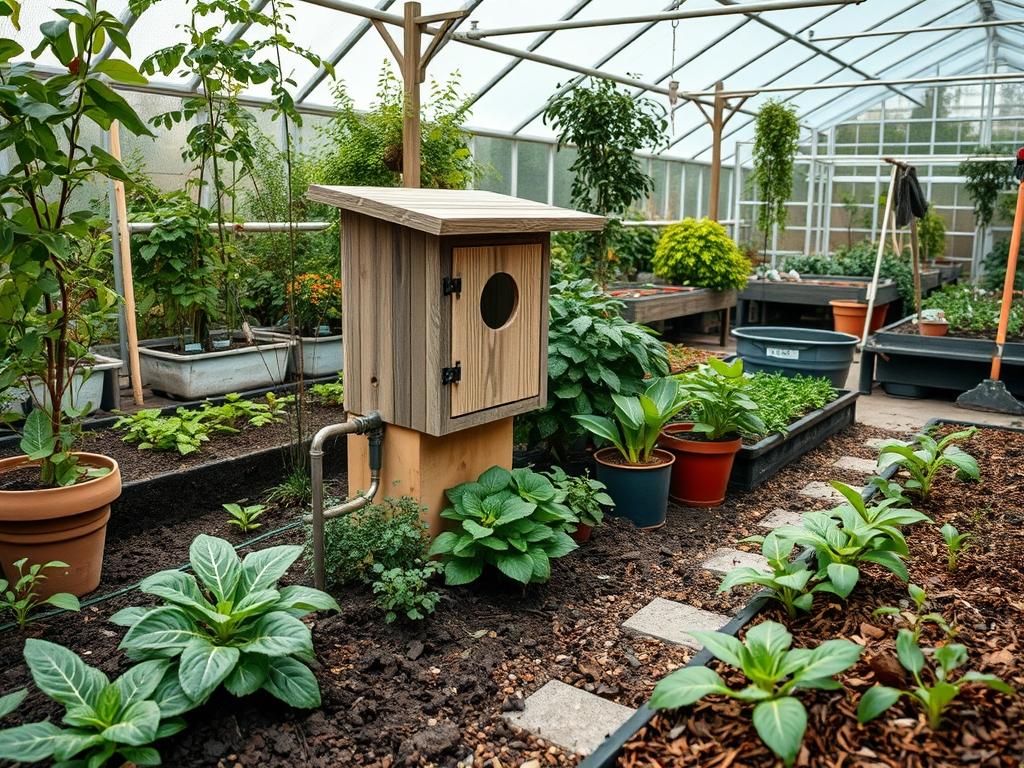
Designing a high-performance outdoor environment requires a delicate balance between aesthetic appeal and ecological functionality. Many homeowners invest thousands of dollars into hardscaping and premium plant palettes only to find their enjoyment of the space restricted by seasonal pest surges. Mosquitoes, moths, and beetles can turn a meticulously planned patio into an unusable zone during peak evening hours. While chemical foggers and automated misting systems offer temporary relief, they often disrupt the local biodiversity and can harm beneficial pollinators like bees and butterflies. A more sophisticated, sustainable strategy involves the integration of biological controls directly into the architectural master plan. Backyard Bat Box Installation serves as a primary pillar of Integrated Pest Management (IPM), providing a permanent, non-toxic solution to airborne insects while functioning as a unique vertical element within the landscape.
When we approach a site survey, we evaluate not just the horizontal layout of turf and stone, but also the vertical flight paths and thermal pockets that define the local microclimate. A single brown bat can consume up to 1,000 mosquito-sized insects in a single hour; this represents an incredible ecological service for the property owner. By providing a structured habitat, we invite these nocturnal predators to take up residence, effectively creating a 24-hour pest patrol that requires zero electricity and no chemical refills. This architectural addition must be planned with the same precision as a retaining wall or an irrigation system to ensure success.
Landscape Design Principles
In the realm of landscape architecture, the placement of a bat house is governed by the principles of focal points and visual balance. We do not simply nail a box to a random tree; trees are often too shaded and accessible to predators like owls or cats. Instead, professional Backyard Bat Box Installation utilizes a dedicated steel pole or a 4×4 cedar post at a height of at least 15 feet. This adds a dramatic vertical dimension to the garden, acting as a structural anchor at the perimeter. To maintain symmetry, these posts can be mirrored with other vertical elements such as flagpoles or tall Columnar European Hornbeams.
Elevation layers play a critical role in how we perceive property depth. By placing the bat house at the edges of the site, near a water feature or a naturalized meadow zone, we draw the eye upward and outward, making a standard-sized lot feel significantly more expansive. We also consider the solar orientation, ensuring the box faces south or southeast to absorb approximately 6 to 8 hours of daily sunlight. This thermal regulation is vital for the colony’s survival. From a circulation standpoint, the box should be situated away from high-traffic walkways to prevent any disruption to the flight path, typically maintaining a 20-foot clear zone from the entrance of the house to the nearest tree canopy.
Plant and Material Selection
The success of a bat habitat depends heavily on the surrounding flora. To support the “prey base” for the bats, we select plants that bloom at night or emit strong fragrances that attract nocturnal moths. This does not mean the garden will be overrun with pests; rather, it creates a localized hunting ground where bats can feed efficiently. Proper soil preparation using organic compost and expanded shale ensures these supplemental plants thrive.
| Plant Type | Sun Exposure | Soil Needs | Water Demand | Growth Speed | Maintenance Level |
| :— | :— | :— | :— | :— | :— |
| Evening Primrose | Full Sun | Well-Drained | Moderate | Fast | Low |
| Moonflower Vine | Full Sun | Rich Loam | High | Rapid | Medium |
| Night-blooming Jessamine | Part Shade | Sandy Loam | Moderate | Moderate | High (Pruning) |
| Goldenrod | Full Sun | Any / Poor | Low | Fast | Very Low |
| White Clematis | Full Sun/Part Shade | Cool Roots / Rich | Moderate | Fast | Medium |
| French Lavender | Full Sun | Gritty / Alkaline | Low | Moderate | Low |
Implementation Strategy
The installation process begins with a precise site layout. Use a laser level to identify the highest point of the property, as bats prefer a clear take-off zone with minimal obstructions. Once the location is marked, excavate a hole approximately 36 inches deep to ensure structural stability against wind loads. We recommend a post-hole digger or a power auger for efficiency. Place 6 inches of crushed gravel at the bottom of the hole to facilitate drainage and prevent the base of the pressure-treated timber or metal post from rotting.
After the post is set and plumbed, use 80-pound bags of fast-setting concrete to secure the foundation. The grade around the post should be slightly mounded to direct surface water away from the base. When mounting the box itself, use galvanized exterior screws to prevent rust streaks from marring the finish. If the box is made of Western Red Cedar, it can be left natural or stained with a dark, water-based ecological finish to increase heat absorption. Finally, apply a 3-inch layer of hardwood mulch around the base of the installation to prevent lawnmower damage and suppress weed growth. This area can be further enhanced with a small natural stone edging to define the bed and integrate it into the broader garden aesthetic.
Common Landscaping Failures
The most frequent error in Backyard Bat Box Installation is improper mounting height and location. Placing a box on a tree is a common failure point; the branches provide too much shade, keeping the interior too cold for pups to survive. Furthermore, trees provide easy access for climbing predators. Another technical failure involves neglecting the “thermal budget” of the box. In cooler climates, a box that is not painted a dark color will fail to reach the internal 90-degree Fahrenheit temperature required for a maternity colony.
Drainage mistakes also plague many DIY installations. If the concrete footing for the mounting post is not troweled to a slope, water will pool at the seam between the wood and the concrete, leading to premature structural failure. Furthermore, we often see root overcrowding when homeowners plant large shrubs too close to the bat house post. This interferes with the clear drop-zone bats need to initiate flight. Lastly, the use of broad-spectrum pesticides in the garden will negate the benefits of the bat house. If there are no insects to eat, the bats will relocate to a more productive environment, leaving your landscape vulnerable to the very pests you sought to control.
Seasonal Maintenance
Landscape management is a year-round commitment. In the spring, inspect the bat box for any signs of winter damage or unwanted guests like paper wasps or mud daubers. Use a long-handled scraper to remove nests before the bats return from hibernation or migration. This is also the time to check the structural integrity of the mounting hardware and ensure the post remains level after the ground thaws.
During the summer, observe the box at dusk to confirm occupancy. Do not disturb the box during the day, as this can cause the colony to abandon the site. Ensure the surrounding “bat-friendly” plants are receiving adequate irrigation during heat waves. In the autumn, after the bats have departed, perform a more thorough cleaning if necessary, though most modern designs are self-cleaning. Check the seal of the roof and apply a fresh coat of non-toxic sealant if the wood shows signs of checking or splitting. Winter is the ideal season for “hardscape audits,” where you ensure that the surrounding tree canopy hasn’t overgrown the flight path. Prune back any encroaching limbs using bypass loppers to maintain a clear 20-foot radius around the box entrance.
Professional Landscaping FAQ
Where is the best place to install a bat house for maximum pest control?
The ideal location is a sunny spot on a dedicated pole, at least 15 feet high. It should face south or southeast and be situated near a water source, such as a pond or pool, where insects naturally congregate.
Will a bat house attract bats to live inside my actual home?
No. Bats prefer the specific thermal conditions provided by a properly designed box. Providing an ideal habitat away from your residence actually encourages them to stay out of your attic or eaves, keeping the wildlife integrated but separated from your living space.
Is there an unpleasant odor associated with bat colonies?
When installed at the recommended height in an open outdoor area, there is typically no noticeable scent. In fact, the small amount of guano produced is an exceptional high-nitrogen fertilizer for the plants located directly beneath the mounting post.
How long does it take for bats to find and occupy the box?
Occupancy can occur within a few weeks, but it often takes a full season for a colony to discover the new habitat. To speed up the process, ensure you have night-blooming plants nearby to create a reliable food source for scouting bats.
Can I move the bat house once it is installed?
Moving the house during the active season is discouraged as it can disrupt the colony. If relocation is necessary for a landscape renovation, it should be done in late autumn or winter when the bats have vacated the structure for the season.