
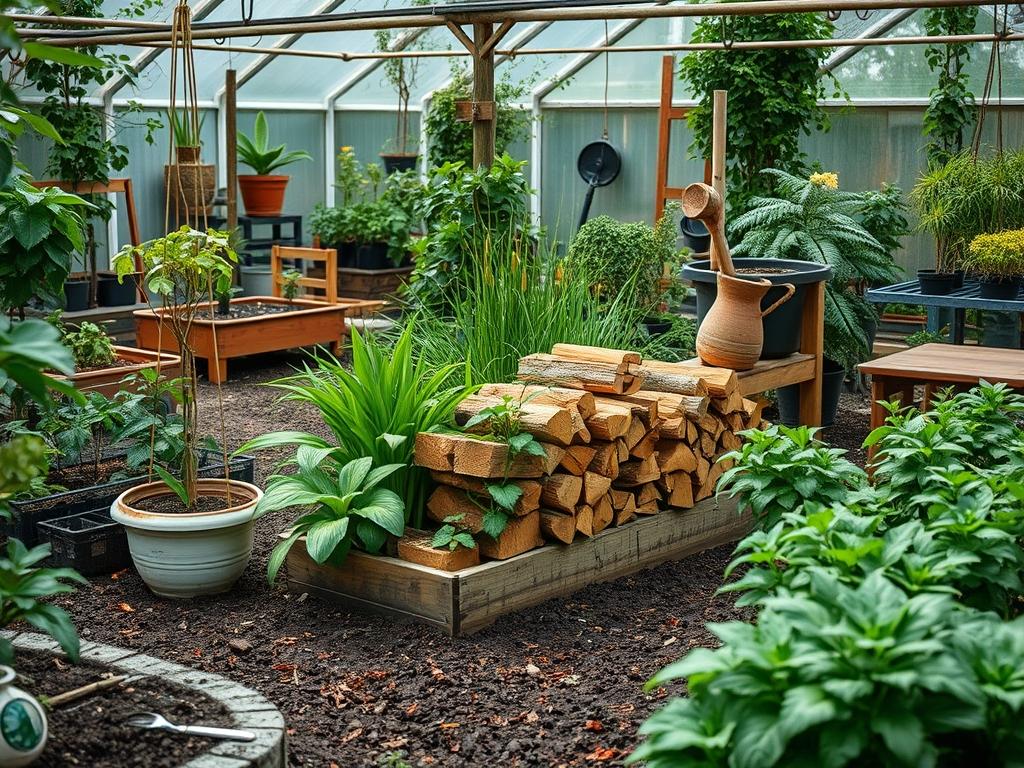
Integrating a functional woodpile into a sophisticated landscape design requires a delicate balance between utilitarian necessity and aesthetic harmony. Most homeowners view firewood as a seasonal eyesore that must be tucked away in a dark corner, but a professional approach treats these organic textures as a design asset. When considering Backyard Firewood Storage Tips, the primary challenge lies in managing the local climate while maintaining curb appeal. In high humidity regions, moisture management is the priority to prevent fungal growth and rot. Conversely, in arid environments, the focus shifts to fire safety and accessibility. A well planned storage solution does more than just keep logs dry; it acts as an architectural element that defines boundaries, provides privacy, and contributes to the overall spatial flow of the outdoor environment. By prioritizing drainage and airflow, you ensure that your fuel remains efficient for the fireplace while the structure itself complements the home architecture.
Landscape Design Principles
Successful firewood integration begins with the principle of symmetry and visual balance. Rather than a haphazard stack, consider using the firewood as a vertical element to frame a view or define the edge of a patio. When we look at spatial hierarchy, a firewood rack can serve as a secondary focal point that draws the eye toward a cozy fire pit area. Using elevation layers is another effective tactic. By elevating the storage on a stone plinth or a raised hardscape platform, you prevent the wood from absorbing ground moisture and create a distinct sense of purpose for the installation.
Walkways are essential for functionality, particularly during the winter months when ground conditions may be muddy or snow covered. Designing a path made of flagstone or decomposed granite ensures that the journey from the woodpile to the back door is safe and clean. Irrigation planning is also critical. Ensure that your automatic sprinklers do not spray directly onto the wood, as constant cycles of wetting and drying will degrade the logs and encourage pests. Finally, consider the scale of the structure in relation to the house. A monolithic wood wall might overwhelm a small cottage, whereas a series of smaller, modular steel cubbies can provide the necessary storage without dominating the landscape.
Plant and Material Selection
The materials surrounding your firewood storage should be chosen for their durability and their ability to facilitate drainage. Softscaping should be kept at a clean distance to ensure that plants do not trap moisture against the wood.
| Plant or Material Type | Sun Exposure | Soil Needs | Water Demand | Growth Speed | Maintenance Level |
| :— | :— | :— | :— | :— | :— |
| English Lavender | Full Sun | Well-Drained | Low | Moderate | Low |
| Dwarf Boxwood | Full to Part Sun | Loamy/Rich | Medium | Slow | Moderate |
| River Rock | N/A | N/A | N/A | N/A | Very Low |
| Creeping Thyme | Full Sun | Sandy/Gritty | Low | Fast | Low |
| Crushed Granite | N/A | N/A | N/A | N/A | Low |
| Blue Star Creeper | Full to Part Sun | Moist/Rich | Medium | Moderate | Low |
Implementation Strategy
The first step in any successful backyard layout is thorough site analysis and grading. You must identify the high and low points of your yard to ensure that water flows away from the storage area. Use a transit level or a laser level to establish a slope of at least two percent. Once the grade is set, the foundation of the storage area should be addressed. Avoid placing wood directly on the earth. A base of crushed stone or a concrete pad provides a stable, inorganic surface that prevents termites and carpenter ants from migrating into the stack.
For the edging, use steel garden edging or pressure treated timbers to create a crisp border between the storage area and adjacent garden beds. This prevents mulch from spilling into the woodpile and maintains a clean aesthetic. When it comes to the storage structure itself, incorporate a roof with a significant overhang; ideally at least twelve inches on all sides. This protective cap directs rainwater away from the face of the wood. Inside the unit, use spacers or pallets to keep the bottom layer of wood at least six inches off the ground. This gap facilitates the chimney effect, where cool air enters the bottom and warm, moist air escapes through the top and sides, significantly accelerating the seasoning process.
Common Landscaping Failures
One of the most frequent mistakes in backyard planning is placing firewood storage directly against the siding of a home. This creates a bridge for wood boring insects and traps moisture against the building envelope, potentially leading to structural rot. Professional architects recommend a minimum clearance of three feet between the house and any significant wood storage. Another common failure is soil compaction. Frequent foot traffic to a woodpile can crush the soil structure, killing the roots of nearby native plants and creating a muddy mess. Installing a permanent permeable pavement or gravel path mitigates this issue entirely.
Drainage mistakes are particularly costly. If a wood rack is placed in a low spot without proper subsurface drainage, the bottom layers of wood will remain permanently damp. This not only ruins the fuel but also creates a breeding ground for mosquitoes and mold. Furthermore, root overcrowding occurs when homeowners plant fast growing hedges too close to the storage structure. As the plants mature, they can lean into the wood, obstructing airflow and making it difficult to access the fuel. Always account for the mature width of any plant species chosen for the perimeter.
Seasonal Maintenance
Landscape management is a year round commitment that changes with the weather patterns. In the spring, focus on cleaning the debris that accumulates under and behind the wood storage. Inspect the retaining walls and hardscape for any signs of frost heave or shifting. This is also the time to apply a fresh layer of bark mulch to surrounding garden beds, ensuring you maintain a gap between the mulch and the woodpile base.
During the summer, check the airflow around the stack. Prune back any overhanging branches or encroaching vines that might be blocking the sun and wind. In autumn, as you restock for the coming cold, rotate the older wood to the front or top of the pile to ensure you use your seasoned supply first. Winter maintenance is primarily about accessibility. Keep your walkways clear of ice and snow using pet safe deicers that won’t damage your hardscaping or nearby plants. Regularly check the structural integrity of the roof or tarp to ensure heavy snow loads do not cause a collapse.
Professional Landscaping FAQ
How far should I keep wood from my house?
Maintain a distance of at least three to five feet. This prevents pests like termites and carpenter ants from entering your home structure while ensuring adequate airflow remains around the logs to prevent rot.
What is the best ground cover for wood storage?
Use crushed granite or river rock over a layer of heavy duty landscape fabric. This prevents weeds, ensures excellent drainage, and provides a stable surface that will not decompose or attract insects.
Can I use wood storage as a privacy screen?
Yes, a tall and narrow wood rack can function as a beautiful living wall. Use a sturdy steel frame and stack the wood neatly to create an opaque barrier that adds texture and warmth to your patio area.
How do I prevent my woodpile from becoming a mess?
Install permanent edging and use modular storage bins. By defining the boundaries of the storage area with stone or timber, you prevent logs from spilling and keep the surrounding landscape looking intentional and tidy.
What plants grow best near a wood rack?
Choose drought tolerant, low maintenance plants like lavender or ornamental grasses. Avoid dense shrubs that trap moisture. Instead, select species that thrive in well drained soil and do not mind the occasional heat from a nearby fire pit.