
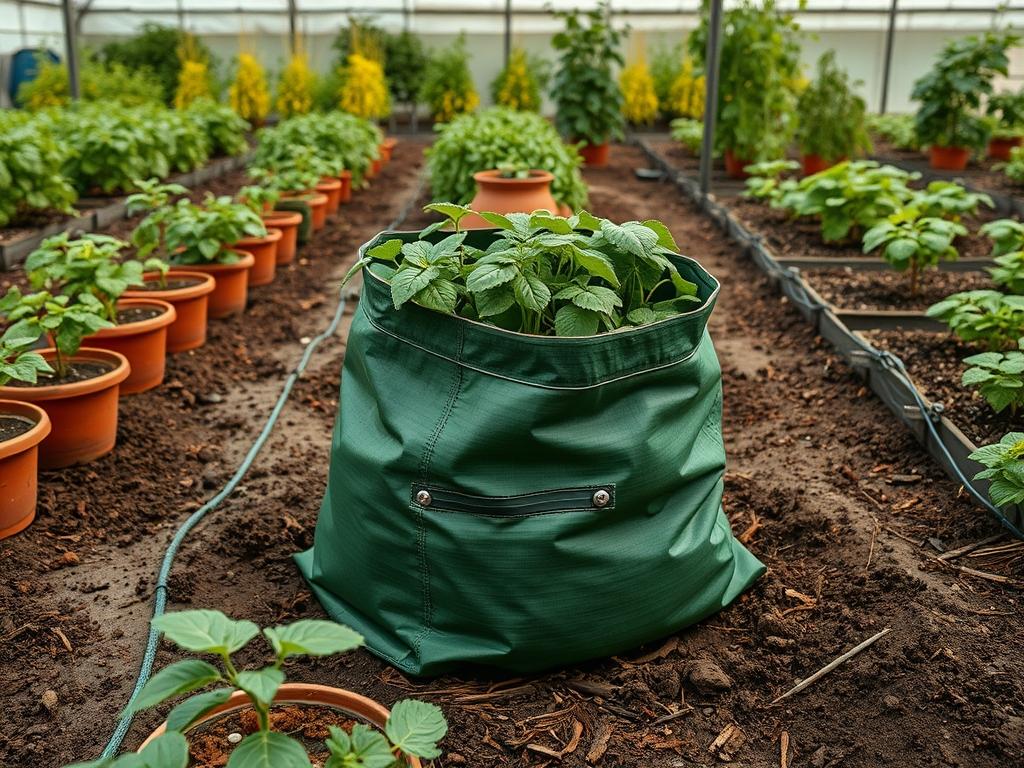
Traditional backyard vegetable gardens often conflict with the clean lines and aesthetic integrity of modern landscape design. When homeowners attempt to cultivate tubers in traditional ground plots, they frequently encounter issues with soil compaction, invasive pests, and an overall lack of visual cohesion. Backyard potato growing bags offer a sophisticated solution to these problems, allowing for a modular approach to edible landscaping that respects the existing architecture of the outdoor space. By utilizing these portable vessels, designers can manage soil quality with surgical precision while maintaining the flexibility to reposition harvests based on changing solar angles or seasonal aesthetic requirements. This method transforms a humble root vegetable into a deliberate element of the garden layout, ensuring that the functionality of a kitchen garden does not detract from the curb appeal or the structural balance of the property. For a landscape architect, these bags represent an opportunity to implement verticality and texture into areas that might otherwise remain stagnant or underutilized, such as patios, side yards, or tiered decks.
The integration of Backyard Potato Growing Bags into a professional landscape requires a keen understanding of site analysis and microclimates. Unlike traditional row crops that are tethered to a fixed location, these containers allow for the optimization of sunlight exposure throughout the growing season. In early spring, bags can be placed in high-exposure zones to maximize heat absorption, while the sweltering heat of late summer may necessitate a move to a more shaded, temperature-controlled environment. This mobility is a cornerstone of smart outdoor environment planning, as it prevents the visual “dead zones” that occur when ground-level crops fail or go dormant. Furthermore, these bags act as a barrier against soil-borne pathogens and pests like Colorado potato beetles or nematodes, which can devastate a traditional garden bed and require chemical interventions that might harm the surrounding ornamental plants.
Landscape Design Principles
A successful landscape design utilizing Backyard Potato Growing Bags must focus on symmetry and focal points to avoid a cluttered or haphazard appearance. Rather than scattering bags randomly, the professional approach involves grouping them in odd numbers, such as clusters of three or five, to create a sense of natural balance. These clusters should be strategically placed at different elevation layers. For instance, placing bags on top of a low retaining wall or on a tiered wooden cedar stand creates a cascade of foliage that mimics the look of ornamental shrubs. This elevation not only makes the harvest more accessible but also improves air circulation around the plants, reducing the risk of fungal infections that often plague ground-level foliage.
Walkway planning is another critical component when integrating these growing systems. To maintain a functional flow, bags should be situated alongside paths of crushed stone or flagstone pavers, ensuring that maintenance and harvesting do not lead to foot traffic on the surrounding softscape. Leaving a minimum of 24 inches of clearance between bags and walkways ensures that the sprawling potato vines do not become a tripping hazard or encroach on the formal lines of the garden. Additionally, the use of irrigation planning is simplified with a modular setup. Designers can run a discrete 1/4-inch drip line directly to each bag, hidden under a layer of hardwood mulch or decorative river rock. This ensures consistent moisture levels, which is crucial for tuber development, without the wastage associated with overhead sprinklers that often miss the target or promote leaf blight.
Plant and Material Selection
The success of a container-based potato garden relies heavily on the synergy between the vessel material and the biological needs of the specific potato variety. High-quality growing bags are typically constructed from UV-stabilized non-woven fabric, which allows the root system to breathe and prevents the circling of roots, a common issue in plastic pots. Below is a guide for selecting the right varieties and environmental parameters for your project.
| Plant Type | Sun Exposure | Soil Needs | Water Demand | Growth Speed | Maintenance Level |
| :— | :— | :— | :— | :— | :— |
| Russet Potato | Full Sun | Organic Potting Mix | High | Medium | Moderate |
| Yukon Gold | Full Sun | Sandy Loam Blend | Medium | Fast | Low |
| Red Norland | Partial Sun | Well-drained Mix | Medium | Fast | Medium |
| Fingerling Potato | Full Sun | Loose Compost | Medium | Slow | Moderate |
| Sweet Potato | Full Sun | Porous Warm Soil | High | Fast | High |
Selecting the right medium for these Backyard Potato Growing Bags is just as important as the plant itself. A professional consultant will recommend a blend of sphagnum peat moss, perlite, and high-quality compost. This mixture ensures that the soil remains light and airy, preventing the compaction that often suffocates tubers in traditional backyard soil. The addition of a slow-release 5-10-10 fertilizer at the time of planting provides the necessary phosphorus and potassium for root development without over-stimulating leafy growth at the expense of the potatoes.
Implementation Strategy
The implementation phase begins with professional grading and site preparation. Even though the potatoes grow in bags, the surface beneath them must be level and possess excellent drainage. Placing bags directly on clay soil can lead to water pooling at the base, which eventually causes anaerobic conditions and root rot. A better approach involves creating a dedicated pad using 3 inches of compacted gravel or decomposed granite. This provides a firm, level base that allows excess water to seep away from the bags instantly.
Once the base is prepared, the layout should incorporate edging to define the space. Using heavy-gauge steel edging or pressure-treated timber creates a clean boundary between the cultivation area and the lawn or flower beds. After the bags are positioned, they should be filled with about 4 to 6 inches of soil, and the “chitted” or sprouted seed potatoes should be placed on top. As the green shoots emerge and reach a height of 6 inches, more soil or straw mulch should be added to the bag. This process, known as hilling, is essential for protecting the developing tubers from sunlight, which turns them green and bitter. By the time the bag is full, the landscape will feature a lush, green pillar of foliage that serves as a living sculpture in the backyard environment.
Common Landscaping Failures
One of the most frequent failures in utilizing Backyard Potato Growing Bags is improper drainage management. When bags are placed on non-porous surfaces like concrete patios without a riser, the moisture trapped between the bag and the ground can lead to staining and the growth of mold. Professionals avoid this by using pot feet or recycled plastic risers to create a small air gap beneath the container. Another common mistake is root overcrowding. While it is tempting to plant multiple seed potatoes in a single 10-gallon bag, this often results in smaller, deformed tubers and increased competition for nutrients. A standard rule of thumb is to limit a 15-gallon bag to three seed potatoes to ensure adequate space for expansion.
Irrigation inefficiency also ranks high among landscaping failures. Homeowners often underestimate how quickly fabric bags lose moisture through evaporation. Relying on manual watering frequently leads to “drought-and-drown” cycles that stress the plant and cause the skin of the potatoes to crack. To mitigate this, an automated irrigation controller should be programmed to deliver water in small increments twice a day during the peak of summer. Finally, soil compaction can occur if the gardener uses native “garden soil” from the backyard rather than a dedicated potting mix. Native soils are often too heavy and lack the porosity required for the “air-pruning” benefits of fabric bags to take effect.
Seasonal Maintenance
Seasonal management of a containerized potato landscape ensures year-round site beauty and productivity. In the spring, the focus is on site selection and the “chitting” of seed potatoes in a cool, bright area indoors before transplanting them to the bags once the risk of hard frost has passed. This is also the time to inspect drip irrigation lines for clogs or winter damage. During the summer, the primary task is monitoring moisture and hilling up the soil. As the plants flower, they reach their peak aesthetic value, and the designer should ensure the vibrant green foliage is free of pests like aphids or spider mites by using narrow-range neem oil if necessary.
In the autumn, as the foliage begins to yellow and die back, it is time for the harvest. This is the most rewarding part of the process, as the bags can simply be tipped over onto a tarp, eliminating the back-breaking labor of digging with a shovel. Once the harvest is complete, the used soil should be integrated into a compost pile or distributed as a top-dressing for ornamental beds, rather than being reused in the bags next year. Reuse can lead to a buildup of pathogens. For the winter months, the empty Backyard Potato Growing Bags should be cleaned, dried, and stored in a shed or garage to prolong their lifespan, leaving the landscape clean and ready for a fresh design in the coming spring.
Professional Landscaping FAQ
How many potatoes can I expect from a single 10-gallon bag?
Under optimal conditions, a 10-gallon bag can yield between 2 and 4 pounds of potatoes. This depends on the variety used, the consistency of irrigation, and the quality of the organic fertilizer applied throughout the growing season.
Can I leave the bags out during the winter?
It is not recommended to leave filled bags out in freezing climates. The freeze-thaw cycle can damage the fabric fibers and kill any beneficial microbes in the soil. Empty, clean, and store them to ensure they last for multiple seasons.
Do these bags require a specific type of water?
Standard tap water is usually sufficient, but if your water is highly chlorinated, let it sit for 24 hours before use. Potatoes prefer a slightly acidic environment, so maintaining a soil pH between 5.0 and 6.0 is ideal for health.
What is the best way to hide the bags for better curb appeal?
You can “wrap” the bags in decorative willow hurdles or place them behind a low boxwood hedge. This hides the utility of the fabric while allowing the lush potato foliage to peak over the top as part of the greenery.
Why are my potato leaves turning yellow in mid-summer?
Yellowing can indicate overwatering, a nitrogen deficiency, or the natural end of the life cycle for early varieties. If the tubers are not yet mature, check the drainage and apply a liquid seaweed fertilizer to boost plant health.