
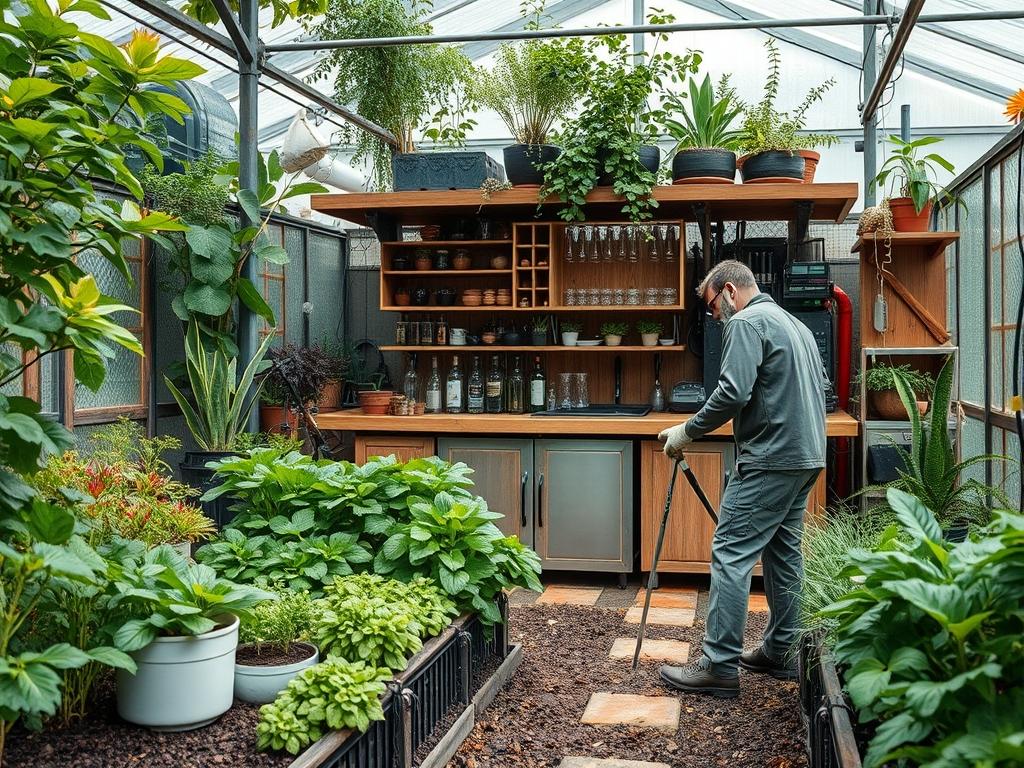
Outdoor kitchens and wet bars have evolved from luxury additions to essential components of contemporary landscape architecture. A wet bar serves as a functional anchor for social interaction, but it also presents a unique set of challenges for the surrounding environment. Integrating water lines, drainage systems, and electricity into a garden requires a delicate balance between engineering and aesthetics. When we consider the longevity of these structures, it becomes clear that Outdoor Wet Bar Maintenance is not merely an indoor chore moved outside. It is a comprehensive management strategy that involves soil stability, moisture control, and the protection of high end materials against the relentless forces of nature. The goal of any successful landscape plan is to ensure that the wet bar remains a seamless part of the topography rather than a decaying intrusion.
Successful integration starts with an understanding of microclimates. A bar positioned in the path of prevailing winds or beneath debris heavy trees will require significantly more upkeep than one placed in a sheltered, well planned alcove. Furthermore, the curb appeal of a home is often anchored by these outdoor living zones. A poorly maintained bar with tarnished fixtures or stained masonry can detract from the overall property value. By treating the wet bar as a living extension of the landscape, homeowners can create a space that functions perfectly throughout the changing seasons while maintaining its visual integrity.
Landscape Design Principles
When designing the landscape around an outdoor wet bar, symmetry and proportion are the primary tools of the architect. The wet bar should act as a secondary focal point that complements the main residence without overwhelming the natural surroundings. We often use the concept of elevation layers to define the space. This involves placing the bar on a slightly raised platform, perhaps using Natural Flagstone or Poured Concrete, to separate the service area from the casual seating area. This change in height helps with runoff management and clearly defines the functional boundaries of the kitchen.
Irrigation planning is perhaps the most overlooked aspect of wet bar design. High volume planters should never be placed directly against the cabinetry of a wet bar. Instead, use a buffer zone of River Rock or Pea Gravel to ensure that overspray from sprinklers does not saturate the bar’s exterior or lead to mold growth in the underlying structure. The walk paths leading to the bar must be wide enough, usually at least 48 inches, to allow for comfortable traffic flow. By using Paver Stones with permeable joints, you can reduce the amount of standing water near the bar, which is a critical step in long term Outdoor Wet Bar Maintenance.
Visual balance is achieved by flanking the bar with structural plants that provide privacy and wind protection. A well placed Retaining Wall can serve double duty as extra seating and a barrier against soil erosion. This wall should be constructed from the same material as the bar island to create a cohesive aesthetic. When these elements work in harmony, the wet bar feels like a natural outcropping of the home rather than an afterthought.
Plant and Material Selection
The following table outlines plants and materials that are particularly suited for the perimeter of an outdoor wet bar area, focusing on low debris and high resilience.
| Plant Type | Sun Exposure | Soil Needs | Water Demand | Growth Speed | Maintenance Level |
| :— | :— | :— | :— | :— | :— |
| Boxwood | Part Shade to Sun | Well-drained | Moderate | Slow | Moderate |
| Lavender | Full Sun | Sandy/Gravelly | Low | Medium | Low |
| Japanese Maple | Part Shade | Acidic Loam | Medium | Slow | Medium |
| Creeping Thyme | Full Sun | Poor/Dry | Low | Fast | Low |
| Fescue Grass | Sun to Shade | Standard Loam | High | Fast | Moderate |
| Slated Stone | N/A (Hardscape) | Compacted Subbase | None | N/A | Low |
Implementation Strategy
The implementation of an outdoor wet bar begins with a rigorous grading plan. You must use a Transit Level to ensure the site slopes away from the bar at a rate of at least one quarter inch per foot. This prevents water from pooling around the base of the cabinetry, which is a leading cause of structural rot. Once the grade is established, a solid foundation of Crushed Stone and Compacted Sand must be laid before any pavers or slabs are installed.
For the bar structure itself, it is best to use Concrete Masonry Units (CMUs) finished with a stone veneer or stucco. These materials are far more durable than wood framing in humid or wet environments. When installing the plumbing, ensure that the pipes are buried below the local frost line to prevent bursting during the winter months. Edging is also vital; use Metal Landscape Edging or Plastic Borders to separate the mulched garden beds from the bar’s hardscape. This prevents Hardwood Mulch from washing onto the patio during heavy rains, keeping your entertaining area clean. Finally, a layer of Landscape Fabric beneath the stone areas around the bar will inhibit weed growth, reducing the manual labor involved in upkeep.
Common Landscaping Failures
The most common failure in these environments is improper drainage. If the bar is located at the bottom of a slope without a French Drain or Catch Basin, it will eventually succumb to moisture damage and soil heave. We frequently see moisture trapped behind stone veneers because no Weep Holes were included in the masonry design. This leads to the stone popping off during freeze and thaw cycles.
Another frequent mistake is root overcrowding. Planting large species like Oak or Maple too close to the bar can lead to roots lifting the foundation or infiltrating the drainage lines. Furthermore, soil compaction is a major issue in high traffic bar areas. Constant foot traffic collapses the air pockets in the soil, killing surrounding grass and plants. To combat this, architects should use Stepping Stones or Decomposed Granite in high wear zones to protect the biology of the landscape. Irrigation inefficiencies, such as having a spray head hitting the back of a stainless steel refrigerator, will cause mechanical failure and unsightly hard water spots.
Seasonal Maintenance
Outdoor Wet Bar Maintenance changes with the calendar. In the spring, your focus should be on the revival of the space. Start by using a Pressure Washer on a low setting to remove winter grime from the stone surfaces. Check all plumbing connections for leaks that might have formed over the winter and apply a fresh coat of Stone Sealant to the countertops to prevent staining from summer spills.
Summer maintenance is all about vegetation management and pest control. Prune any overhanging branches that may drop sap or leaves onto the bar surface. Check the irrigation settings to ensure that the increased heat isn’t leading to water runoff toward the bar’s electrical components. During autumn, the priority shifts to debris removal. Use a Leaf Blower daily to keep the bar area clear of decaying organic matter, which can stain stone and clog drains. Ensure the gutters on any overhead structures are clear.
Winter is the most critical period for protection. You must shut off the water supply at the main valve and use an Air Compressor to blow out any remaining water from the lines. This prevents pipes from cracking. Cover the entire bar unit with a high quality Custom Vinyl Cover that is breathable yet water resistant. If you have a Stainless Steel Sink, apply a thin layer of Mineral Oil to the surface before covering it to prevent pitting and oxidation during the damp months.
Professional Landscaping FAQ
How do I prevent my outdoor bar from sinking into the ground?
You must install a reinforced Concrete Pad or a deep base of Crushed Stone. Proper compaction of the subsoil using a Power Tamper is essential to provide the structural support needed for heavy stone counters and appliances.
What is the best way to handle bar drainage in a flat yard?
Install a Dry Well or a Sump Pump system. A Dry Well allows water to collect in an underground gravel pit and slowly leach into the soil, keeping the surface dry and preventing foundation erosion around your outdoor kitchen.
Are native plants better for landscaping around a wet bar?
Yes, Native Plants are adapted to local rainfall and soil conditions. They require less fertilizer and supplemental watering, which reduces the risk of chemical runoff or excessive moisture affecting the bar’s structural integrity and materials.
Does mulch attract pests to my outdoor cooking area?
Standard Wood Mulch can attract termites or ants if pilled against the bar. Use Cedar Mulch, which has natural insect repellent properties, or switch to Polished River Rock to eliminate the risk of organic decay near your food prep space.
How often should I seal my outdoor bar’s stone surfaces?
Harder stones like Granite should be sealed once a year. More porous materials like Travertine or Limestone might require sealing every six months. Regular sealing is the most effective way to prevent permanent stains from oils, food, and environmental tannins.